Embarking on the journey to invest in bonds mutual funds offers a promising avenue for building a resilient and diversified portfolio. Understanding how these investment vehicles function and their strategic advantages can empower investors to make informed decisions aligned with their financial goals.
This guide provides an in-depth overview of bonds and mutual funds, explores their benefits, helps assess personal risk tolerance, and offers practical steps for choosing the right fund. Whether you’re a novice or looking to refine your investment approach, mastering these concepts can enhance your wealth-building efforts with confidence and clarity.
Understanding Bonds and Mutual Funds

Investing effectively requires a clear understanding of different asset classes, notably bonds and mutual funds. These investment options serve distinct roles within a diversified portfolio, balancing risk and return to suit individual financial goals. Recognizing their fundamental features, types, and how they compare enhances decision-making and optimizes investment strategies.
Bonds and mutual funds are essential tools for investors seeking income, growth, or capital preservation. Bonds are debt instruments issued by entities such as governments or corporations, providing fixed interest income over a specified period. Mutual funds are pooled investment vehicles that manage diversified portfolios of stocks, bonds, or a combination of both, offering investors access to professional management and diversification.
Both options cater to different risk appetites and investment horizons, making their understanding crucial for building a resilient investment portfolio.
Basic Concepts of Bonds and Mutual Funds
Bonds are essentially loans made by investors to issuers, which promise to pay back the principal amount along with periodic interest payments. They are generally considered less risky than equities but vary depending on the issuer’s creditworthiness. Mutual funds, in contrast, pool money from multiple investors to buy a diversified mix of securities, managed by professional fund managers who aim to achieve specific investment objectives such as growth, income, or a balanced approach.
In portfolio allocation, bonds often serve as stabilizers, providing steady income and reducing volatility, whereas mutual funds can offer broader exposure to equities or bonds, depending on their category. Understanding the interplay between these instruments helps investors tailor their portfolios to their risk tolerance, investment horizon, and financial goals.
Comparison of Bonds and Mutual Funds
To better understand their differences, the following table summarizes bonds and mutual funds across key investment attributes:
| Attribute | Bonds | Mutual Funds |
|---|---|---|
| Risk | Lower to moderate, varies with issuer and credit rating | Depends on fund type; equity funds are higher risk, debt funds are lower |
| Return | Fixed interest; generally lower but stable | Variable; potential for higher returns, especially in equity funds |
| Liquidity | Moderate; can be sold before maturity but may incur price fluctuations | High; easily bought or sold at net asset value (NAV) |
| Investment Horizon | Typically medium to long-term; depends on maturity date | Flexible; can be short-term or long-term based on fund strategy |
Types of Bonds and Their Characteristics
Understanding the different types of bonds is vital for selecting investments aligned with risk preferences and financial objectives.
- Government Bonds: Issued by national governments, these bonds are considered the safest, backed by the country’s creditworthiness. Examples include U.S. Treasury Bonds, UK Gilts, and Indian Government Bonds. They typically offer lower yields but provide high security and liquidity. These bonds are suitable for conservative investors seeking stable income with minimal risk.
- Corporate Bonds: Issued by companies to finance operations or expansion, these bonds carry higher risk than government bonds due to the issuer’s credit risk. Corporate bonds often offer higher interest rates to compensate for increased risk. They are categorized based on credit ratings, from investment-grade to high-yield (junk bonds). Investors should evaluate the company’s financial health before investing.
- Municipal Bonds: Issued by state or local governments, municipal bonds fund public projects like infrastructure, schools, or hospitals. In many jurisdictions, the interest earned on municipal bonds is tax-exempt, making them attractive for investors in high tax brackets. They usually have moderate risk, influenced by the financial stability of the issuing municipality.
Categories of Mutual Funds and Their Features
Mutual funds are classified based on their investment focus, risk profile, and asset allocation strategy. Recognizing these categories helps investors select funds aligned with their financial goals and risk tolerance.
- Equity Mutual Funds: Invest primarily in stocks, aiming for capital appreciation. These funds are suitable for investors with a higher risk appetite and a long-term horizon. Examples include large-cap funds like the “Nifty 50 Fund” and mid-cap or small-cap funds targeting specific market segments.
- Debt Mutual Funds: Focused on bonds, government securities, and other fixed-income instruments, these funds aim for regular income with lower risk. Examples include liquid funds, short-term funds, and gilt funds.
- Hybrid Mutual Funds: Combine equities and debt instruments to balance risk and return. They include balanced funds, aggressive hybrid funds, and conservative hybrid funds, tailored for investors seeking diversified exposure within a single fund.
Each mutual fund type offers distinct advantages and risk profiles, enabling tailored investment strategies to meet various financial objectives and risk tolerances.
Benefits of Investing in Bond Mutual Funds

Investing in bond mutual funds offers investors a range of advantages that can enhance the stability and diversity of their investment portfolio. These funds are designed to provide a balanced approach to fixed-income investing by pooling resources to purchase a broad array of bonds, managed by experienced professionals.
Understanding the benefits of bond mutual funds can help investors make informed decisions aligned with their financial goals, risk tolerance, and income requirements. From diversification to liquidity, these funds offer several features that make them a compelling choice for both novice and experienced investors alike.
Advantages of Bond Mutual Funds
Bond mutual funds come with several key benefits that contribute to their popularity among investors seeking steady income and risk mitigation. The primary advantages include diversification, professional management, and liquidity, each playing a vital role in enhancing investment security and flexibility.
- Diversification: Bond mutual funds invest across a wide spectrum of bonds—government, corporate, municipal, and others—reducing the risk associated with individual bond defaults. This diversification helps smooth out returns and minimizes potential losses stemming from sector-specific downturns.
- Professional Management: Managed by experienced fund managers, bond mutual funds benefit from expert analysis, active portfolio adjustments, and risk management strategies. This is particularly valuable for investors lacking the time or expertise to manage bonds directly.
- Liquidity: Liquidity remains a significant advantage, as bond mutual funds can typically be bought or sold on any business day at the fund’s net asset value (NAV), providing investors with quick access to their funds when needed.
Scenarios Where Bond Mutual Funds Are Beneficial
Bond mutual funds are especially advantageous in specific investment contexts, providing stability and income in various scenarios. Recognizing these scenarios can help investors incorporate bond funds effectively into their financial plans.
- Seeking Regular Income: Investors aiming for consistent income streams, such as retirees, benefit from the interest payments generated by bond mutual funds, which can be distributed periodically.
- Portfolio Diversification: For investors with heavy equities exposure, adding bond mutual funds can reduce overall portfolio volatility and balance risk.
- Conservative Investing: Those with low-risk tolerance or approaching retirement often prefer bond mutual funds as they tend to have lower volatility compared to equity funds.
- Short-term Investment Needs: Investors with upcoming expenses or short-term financial goals find bond mutual funds suitable due to their liquidity and relative safety.
Bond Mutual Funds as a Conservative Investment Option
Within a diversified portfolio, bond mutual funds act as a conservative investment component, prioritizing capital preservation and steady income over high growth. They are particularly valuable during economic downturns or periods of market volatility, as they tend to be less affected than equities.
“Bond mutual funds provide a buffer against market fluctuations, helping investors maintain stability in their overall portfolio.”
By including bond mutual funds, investors can reduce the risk associated with equity investments while still participating in fixed-income growth. Their stability makes them an ideal choice for conservative investors seeking to protect their capital while earning predictable returns.
Examples of Steady Income Generation
Bond mutual funds can generate reliable income streams, making them attractive for investors relying on their investments for cash flow. For example, a municipal bond fund might pay quarterly dividends derived from tax-exempt interest, providing a consistent income that can help cover living expenses or reinvestment goals.
Similarly, corporate bond funds often distribute monthly income, which can supplement other income sources. Over time, these regular payments can help investors build a dependable cash flow, especially when held over the long term.
Assessing Your Investment Goals and Risk Tolerance
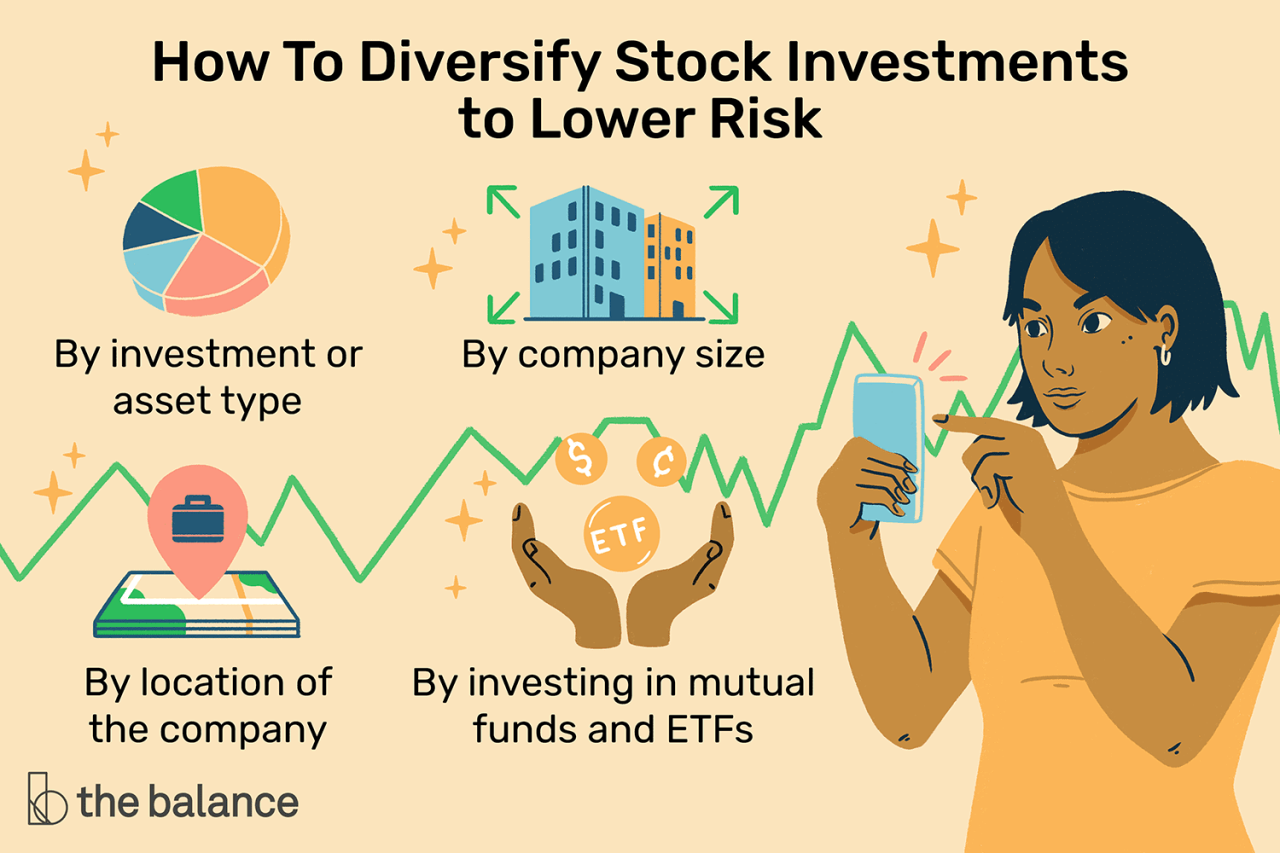
Before investing in bond mutual funds, it is crucial to thoroughly evaluate your individual financial objectives and the level of risk you are willing to assume. An accurate assessment helps in selecting funds that align with your overall investment strategy and ensures better management of expectations and potential outcomes. Understanding your goals and risk appetite forms the foundation for making informed investment choices and achieving long-term financial stability.
Evaluating your investment goals and risk tolerance involves analyzing your current financial situation, future needs, and comfort level with market fluctuations. This process ensures that your bond mutual fund selections are tailored to your personal circumstances, enabling you to navigate market conditions effectively and avoid undue stress or disappointment.
Steps to Evaluate Personal Investment Objectives and Risk Appetite
Establishing clear investment objectives and understanding your risk tolerance requires a structured approach. The following steps facilitate this evaluation:
- Identify Financial Goals: Define whether your primary aim is capital preservation, income generation, or capital appreciation. Clarify your short-term and long-term financial targets, such as saving for retirement, education, or purchasing property.
- Assess Time Horizon: Determine the period for which you plan to invest. Longer horizons typically allow for more risk-taking, while shorter periods favor conservative investments.
- Review Current Financial Position: Evaluate your income, savings, debts, and existing investments. A stable financial base can tolerate higher risks, whereas a fragile financial situation necessitates conservative choices.
- Understand Risk Tolerance: Reflect on your comfort level with investment fluctuations. Consider factors such as age, income stability, investment experience, and psychological resilience to market volatility.
- Consult Financial Advisors: Seek professional advice to gain insights into your risk capacity and to validate your investment objectives, ensuring they are realistic and aligned with your overall financial plan.
Checklist for Aligning Bond Mutual Fund Choices with Financial Goals
Using a checklist helps in systematically matching your financial aspirations with suitable bond mutual fund options. This ensures that the selected funds support your unique investment framework:
- Clearly defined investment horizon aligned with the maturity of bond funds
- Risk appetite matching the fund’s credit quality and duration
- Desired income level and frequency, considering bond fund distributions
- Liquidity needs and the fund’s redemption terms
- Interest rate outlook and its impact on bond fund performance
- Tax considerations based on your income bracket and jurisdiction
- Compatibility with existing investment portfolio and diversification goals
Matching Bond Mutual Fund Types with Risk Tolerance
Different bond mutual fund categories cater to varying risk profiles, allowing investors to select funds that best suit their comfort level and objectives. Recognizing these distinctions is essential in constructing a balanced portfolio:
| Bond Fund Type | Description | Risk Level | Ideal For |
|---|---|---|---|
| Government Bond Funds | Invest primarily in government securities, such as treasury bonds, which are considered low risk. | Low | Conservative investors seeking capital preservation and stable income |
| Corporate Bond Funds | Invest in bonds issued by corporations, offering higher yields with moderate risk. | Moderate | Investors comfortable with some market fluctuations aiming for better returns |
| High-Yield (Junk) Bond Funds | Invest in lower-rated corporate bonds, which carry higher risk but offer higher yields. | High | Aggressive investors seeking high income and willing to accept substantial volatility |
| Duration Funds | Focus on bonds with specific durations to manage interest rate sensitivity. | Variable (depends on duration) | Investors aware of interest rate trends and comfortable with interest rate risk |
Note: Bond fund risk levels are influenced by factors such as credit quality, interest rate environment, and fund duration. It is essential to consider these factors alongside your risk appetite.
Decision Flowchart for Selecting Suitable Bond Mutual Funds
To simplify the selection process, a decision flowchart can guide you through choosing the appropriate bond mutual fund category based on your profile:
- Determine Your Investment Horizon: Is your goal short-term (less than 3 years), medium-term (3-7 years), or long-term (more than 7 years)?
- Assess Your Risk Tolerance: Are you conservative, moderate, or aggressive in your risk appetite?
- Match Your Profile:
- If your horizon is short-term and you are conservative, prioritize government bond funds.
- If your horizon is medium-term with moderate risk tolerance, consider corporate bond funds.
- If your horizon is long-term and you have a high risk tolerance, high-yield bond funds may be suitable.
- Review Economic Outlook: Consider current interest rate trends and economic conditions to refine your selection.
- Consult with a Financial Advisor: Validate your choice with professional guidance to ensure alignment with your overall financial plan.
How to Choose the Right Bond Mutual Fund
Selecting the most suitable bond mutual fund requires careful analysis of various factors to ensure alignment with your financial goals, risk appetite, and investment horizon. A thorough evaluation process can help identify funds that offer the best combination of performance, cost efficiency, and management expertise, ultimately contributing to a more resilient and rewarding investment portfolio.
In this section, we will explore effective methods for researching bond fund performance, understanding expense ratios, assessing management teams, and evaluating key metrics such as credit quality, duration, and yield. Additionally, we will discuss how to analyze fund prospectuses and compare top funds based on critical criteria, empowering you to make informed investment decisions.
Researching Fund Performance, Expense Ratios, and Management Teams
Investors should begin by scrutinizing the historical performance of bond mutual funds, keeping in mind that past results do not guarantee future returns but can provide insight into fund management consistency. Reliable sources such as Morningstar, Lipper, or fund company websites offer comprehensive performance data over different time frames (1-year, 3-year, 5-year, and since inception).
Expense ratios measure the annual fees charged by the fund, directly impacting net returns. Lower expense ratios are generally preferable, especially when performance is comparable among funds. Management team expertise and stability are equally important; funds led by experienced managers with a proven track record tend to adapt better to changing market conditions. Reviewing management bios, tenure, and investment philosophy can provide additional confidence in the fund’s leadership.
Evaluating Bond Fund Credit Quality, Duration, and Yield
Understanding the core metrics that influence a bond fund’s risk and return profile is crucial for appropriate fund selection. These include credit quality, duration, and yield.
- Credit Quality: The creditworthiness of the bonds held in the fund, typically categorized as high-grade (investment grade) or lower-grade (high-yield or junk bonds). Higher credit quality generally means lower risk but also lower yields.
- Duration: A measure of a bond fund’s sensitivity to interest rate changes, expressed in years. A longer duration indicates greater price volatility when interest rates fluctuate, requiring investors to consider their risk tolerance.
- Yield: The income generated by the fund, often expressed as a percentage. While higher yields are attractive, they may be associated with higher risk; hence, assessing the fund’s yield relative to its credit quality and duration is essential.
Note: Striking a balance between yield and risk is fundamental. For conservative investors, funds with shorter duration and higher credit quality are advisable, whereas risk-tolerant investors might seek higher-yield, longer-duration funds.
Comparison of Top Bond Mutual Funds
The following table presents a comparison of four top-rated bond mutual funds, showcasing key metrics to facilitate an informed choice. The data reflects recent performance, expense ratios, credit quality, duration, and yield, helping investors evaluate which fund aligns best with their investment approach.
| Fund Name | Performance (3-Year Annualized) | Expense Ratio | Average Credit Quality | Duration (Years) | Yield |
|---|---|---|---|---|---|
| ABC Income Fund | 6.8% | 0.45% | AAA to AA | 3.2 | 3.5% |
| XYZ Bond Opportunities | 7.2% | 0.50% | A to BBB | 5.0 | 4.2% |
| Global Fixed Income | 6.5% | 0.40% | AAA to A | 4.1 | 3.8% |
| Growth & Income Bond Fund | 6.9% | 0.55% | AA to BBB | 6.0 | 4.5% |
Analyzing Fund Prospectuses and Assessing Fund Consistency
Examining a fund’s prospectus provides detailed information about investment strategies, risks, fee structures, and management objectives. It is essential for investors to carefully review these documents before making a decision. Key sections to focus on include the fund’s investment objectives, holdings, risk factors, and past performance disclosures.
Assessing consistency involves analyzing how the fund has performed across different market cycles and whether it adheres to its stated investment philosophy. Consistent performance, especially during turbulent periods, indicates reliable management. Comparing annual returns over multiple periods and reading analyst reports can further aid in understanding the fund’s reliability and stability.
Investment Strategies for Bond Mutual Funds
Choosing the right investment strategy for bond mutual funds is essential to align your portfolio with your financial goals, risk appetite, and prevailing market conditions. Diverse approaches such as laddering, barbell, and buy-and-hold strategies offer different advantages and suit varied investor profiles. Understanding how to implement these methods can enhance portfolio stability and optimize returns over time.
Implementing effective bond mutual fund strategies involves selecting approaches that optimize income, mitigate risks, and adapt to interest rate fluctuations. By consciously choosing an appropriate strategy, investors can better navigate the complexities of the bond market and achieve their long-term objectives.
Laddering, Barbell, and Buy-and-Hold Strategies
Different investment approaches serve unique purposes within bond mutual fund portfolios. Here is an overview of three prominent strategies:
- Laddering Strategy: This approach involves purchasing bonds with staggered maturity dates. As bonds mature, the proceeds are reinvested into new bonds at the longest maturity within the ladder, creating a structured flow of income and reducing reinvestment risk. It provides liquidity and helps manage interest rate risk by smoothing out the effects of rate fluctuations over time.
- Barbell Strategy: This method concentrates investments in both short-term and long-term bonds, avoiding intermediate maturities. The short-term bonds provide liquidity and safety, while the long-term bonds aim for higher yields. This approach offers flexibility to capitalize on interest rate movements and can balance risk and return effectively.
- Buy-and-Hold Strategy: Investors purchase bonds with the intention of holding them until maturity, minimizing transaction costs and interest rate risk. This strategy is suitable for investors seeking stable income and willing to accept the fixed returns until maturity, often aligned with a conservative risk profile.
Each of these strategies can be tailored to specific investment goals and risk tolerances. Combining different approaches within a diversified bond mutual fund portfolio can further enhance risk management and income stability.
Constructing a Bond Mutual Fund Portfolio Aligned with Risk Levels
Crafting an investment portfolio that matches your risk tolerance involves a systematic process of selection and diversification, especially within bond mutual funds. The following step-by-step guide can assist in constructing such a portfolio:
- Assess Your Risk Tolerance: Clearly define your comfort level with market fluctuations, interest rate changes, and potential losses.
- Determine Your Investment Horizon: Align your bond investments with your timeline, whether it’s short-term needs or long-term growth.
- Select Bond Types and Maturities: Diversify across government bonds, municipal bonds, corporate bonds, and international bonds, spanning various maturities to balance yield and risk.
- Apply Investment Strategies: Choose appropriate strategies—such as laddering for stability, barbell for flexibility, or buy-and-hold for simplicity—that fit your risk profile.
- Allocate Assets Accordingly: Distribute your investments based on risk and return expectations, ensuring a mix that provides income, safety, and growth potential.
- Review and Rebalance: Regularly monitor your portfolio’s performance, adjust allocations to maintain your desired risk level, and respond proactively to market shifts.
By following these steps, investors can create a resilient bond mutual fund portfolio that aligns with their financial aspirations and risk capacity, even amid changing interest rate environments.
Timing Considerations and Impact of Interest Rate Environment
Effective bond investment strategies require awareness of market timing and interest rate trends, which significantly influence bond prices and yields. Key considerations include:
- Interest Rate Cycles: Recognize whether the economy is in a rising or falling interest rate environment. Rising rates tend to lower bond prices, especially for longer maturities, while falling rates can increase bond values.
- Economic Indicators: Monitor inflation data, central bank policies, and economic growth indicators that influence rate movements and bond performance.
- Market Timing: While attempting to time the market can be challenging, adjusting bond durations or switching between types can help mitigate risks associated with rate fluctuations.
Note: A common approach is to shorten bond maturities during expected rate hikes to reduce price volatility, and extend maturities when rates are anticipated to decline to lock in higher yields.
Overall, understanding the current interest rate environment allows investors to make informed decisions, optimize income, and manage potential losses in their bond mutual fund portfolios.
Diversification Across Bond Types and Maturities
Diversification remains a cornerstone of risk management within bond mutual funds. Spreading investments across various bond types and maturities can help cushion against market volatility and sector-specific risks. Key points include:
- Across Bond Types: Holding government, municipal, corporate, and international bonds can balance safety, tax advantages, and yield opportunities.
- Across Maturities: Investing in a mix of short-term, medium-term, and long-term bonds reduces sensitivity to interest rate swings and enhances income stability.
- Within a Structured Approach: Strategies like laddering inherently promote diversification across maturities, while selecting funds that hold a broad array of bond types ensures sector and issuer diversification.
Such diversification not only spreads risk but also positions the portfolio to benefit from different market conditions, interest rate changes, and economic cycles, contributing to a more resilient investment approach.
Opening and Managing Your Investment Account

Investing in bond mutual funds requires establishing a robust investment account that aligns with your financial goals and risk profile. Proper account setup and effective management are essential steps that ensure your investments are secure, accessible, and capable of generating optimal returns. This segment provides comprehensive guidance on selecting the right brokerage platform or mutual fund provider, completing the registration process, and maintaining active oversight of your investment portfolio.Establishing an account involves several important steps, from choosing a suitable provider to ongoing monitoring and management.
A well-managed account simplifies your investment journey and enhances your ability to respond effectively to market changes, reinvest dividends, and make strategic adjustments over time to meet your financial objectives.
Selecting a Brokerage Platform or Mutual Fund Provider
Choosing the right platform or provider sets the foundation for successful bond mutual fund investments. Consider factors such as the provider’s reputation, fee structure, available fund options, user interface, and customer support services. It’s advisable to select a platform that offers transparency, easy navigation, and educational resources to support your investment decisions.For example, some popular online brokerage firms provide extensive research tools and low transaction costs, making them suitable for both novice and experienced investors.
Mutual fund companies with a strong track record, robust customer service, and comprehensive product offerings can also serve as reliable platforms. Comparing these options based on your specific needs ensures a seamless investment experience.
Account Registration, Documentation, and Initial Investment Setup
The account registration process involves verifying your identity, providing necessary personal and financial information, and agreeing to the platform’s terms and conditions. Typically, these steps include submitting documents such as a government-issued ID, proof of address, and banking details for fund transfers.Once your account is set up, you can fund it by linking your bank account, transferring initial investment capital, and selecting the bond mutual funds you wish to purchase.
Many platforms facilitate automatic contributions or scheduled investments, which can help in building your portfolio consistently over time.
Monitoring Fund Performance and Making Adjustments
Continual monitoring of your bond mutual funds allows you to assess their performance against your investment goals. Regular review involves analyzing key metrics such as yield, duration, credit quality, and total returns. Use platform tools to access performance reports, market analyses, and fund ratings.Based on these assessments, you may decide to rebalance your portfolio, switch funds, or adjust contribution amounts.
Staying informed about interest rate movements, credit outlooks, and macroeconomic trends helps in making timely decisions to optimize returns and mitigate risks.
Reinvesting Dividends and Handling Fund Switches
Reinvestment of dividends can significantly enhance your investment growth through compounding. Most platforms offer automatic dividend reinvestment options, allowing dividends to be used immediately to purchase additional fund shares without incurring extra fees.Handling fund switches involves transferring investments from one bond mutual fund to another, either within the same provider or across different platforms. This process typically requires submitting a switch request online or through customer service, which is then processed according to the provider’s guidelines.
Ensure to consider potential tax implications and fees associated with these transactions to make informed decisions that align with your strategic objectives.
Common Pitfalls and How to Avoid Them

Investing in bond mutual funds can be a prudent way to generate income and diversify your investment portfolio. However, like any investment, it is susceptible to certain pitfalls that can impact your returns and overall financial health. Recognizing these common mistakes and implementing strategies to mitigate risks can significantly enhance your investment experience and outcomes.Understanding the typical errors investors make with bond mutual funds is essential for maintaining a disciplined approach.
From overlooking the nuances of interest rate sensitivity to neglecting associated fees, these mistakes can undermine even the most well-intentioned plans. By being aware of these pitfalls, investors can adopt proactive measures to safeguard their investments and capitalize on opportunities for growth.
Common Mistakes and Strategies to Minimize Risks
Many investors inadvertently fall into traps that diminish the effectiveness of their bond mutual fund investments. Some of the most prevalent mistakes include ignoring duration risk, underestimating fees, and neglecting the importance of diversification. Addressing these issues head-on can help preserve capital and optimize returns.
- Ignoring Duration and Interest Rate Risks: Bond funds with longer durations are more sensitive to interest rate changes. Investors often overlook this risk, which can lead to significant price fluctuations. To avoid this, assess the fund’s duration and consider matching it with your investment horizon and risk tolerance.
- Overlooking Fees and Expenses: Management fees, administrative costs, and transaction expenses can erode investment gains over time. Always review the expense ratio of a bond mutual fund before investing and opt for funds with competitive fee structures.
- Neglecting Diversification: Concentrating investments solely in certain sectors or maturities increases risk. Diversify across different bond types, maturities, and issuers to mitigate sector-specific or credit risks.
- Failing to Review Regularly: Market conditions, interest rates, and economic indicators evolve. Failing to periodically review your bond holdings may result in misaligned risk profiles or missed opportunities. Schedule regular reviews to ensure your portfolio remains consistent with your goals.
Strategies for Minimizing Risks
Effective risk management involves strategic diversification and vigilant monitoring of macroeconomic factors. Incorporating these practices helps stabilize returns and adapt to changing market conditions.
- Diversify Across Bond Types and Regions: Spread investments among government, municipal, corporate bonds, and international bonds. This diversification reduces exposure to any single issuer or economic zone.
- Maintain a Balanced Portfolio: Mix bond funds with varying durations and credit qualities to cushion against rate swings and credit defaults.
- Implement Regular Portfolio Reviews: Evaluate your holdings periodically, especially during periods of significant interest rate or economic shifts. Adjust allocations as necessary to align with your goals and risk appetite.
- Stay Informed About Market Trends: Keep abreast of interest rate movements, inflation data, and macroeconomic indicators that influence bond prices. This knowledge enables timely decisions to buy, hold, or sell.
Staying Informed: Key Indicators and Warning Signs
Being aware of economic developments and interest rate changes is vital for effective bond mutual fund management. These factors directly impact bond prices and fund performance.
Interest Rate Trends: Rising interest rates typically lead to falling bond prices, especially for long-term bonds. Conversely, rate declines can boost bond values. Monitor central bank policies and market expectations to anticipate movements.
Inflation Data: Higher inflation erodes fixed-income returns. Keep an eye on inflation reports to assess potential impacts on bond yields and the real returns of your investments.
Economic Indicators: GDP growth, unemployment rates, and fiscal policies influence credit risk and bond demand. Positive economic signals often lead to rising yields, while downturns may cause yields to fall.
Signs Indicating the Need to Re-evaluate Bond Fund Holdings
Certain developments and market signals suggest it might be time to review and possibly adjust your bond mutual fund investments.
- Significant Changes in Interest Rate Environment: If interest rates are expected to rise sharply, consider shortening duration or reallocating to funds less sensitive to rate increases.
- Credit Rating Downgrades: A downgrade of the bond issuer or sector could increase default risk, warranting a reassessment of holdings.
- Fund Underperformance: Persistent underperformance relative to benchmarks or peer funds should trigger a review to understand underlying causes and explore alternatives.
- Changes in Investment Objectives or Risk Tolerance: Personal circumstances or goals may evolve, necessitating adjustments to your bond fund allocations to stay aligned with your financial plan.
Last Recap
In conclusion, investing in bonds mutual funds presents a balanced approach to achieving steady income and portfolio diversification. By understanding the fundamentals, evaluating your objectives, and selecting appropriate funds, you can navigate the investment landscape with strategic insight and confidence. Staying informed and proactive ensures your investments remain aligned with your financial aspirations over time.