Embarking on a journey as a digital nomad opens up exciting opportunities for managing investments from anywhere in the world. Understanding how to invest as a digital nomad empowers individuals to harness global financial markets while maintaining the flexibility of a remote lifestyle. This guide offers valuable insights into diverse investment options, effective financial management, and strategies to build a sustainable income stream without being tethered to a single location.
From evaluating suitable investment categories to navigating international tax laws and leveraging digital platforms, this comprehensive overview aims to equip digital nomads with the knowledge needed to make informed decisions. As you traverse different countries and cultures, mastering remote investment techniques will enable you to grow your wealth securely and efficiently, regardless of your current location.
Understanding Investment Opportunities for Digital Nomads
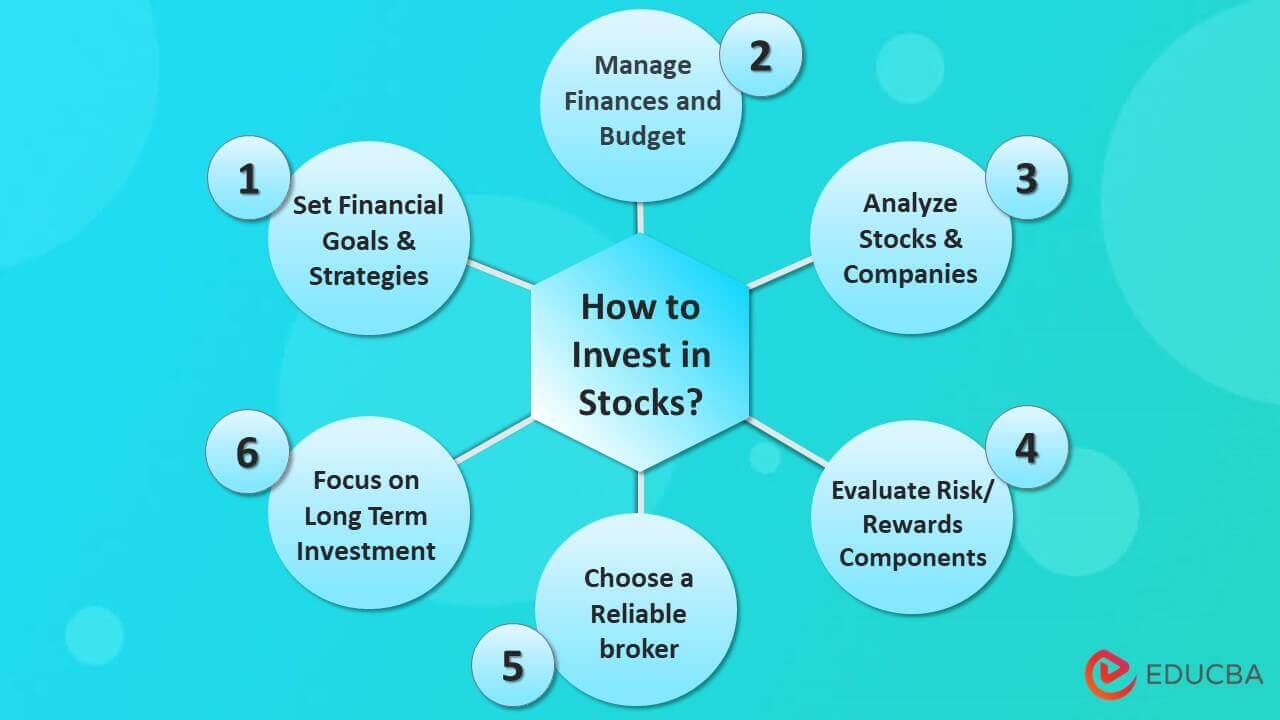
For digital nomads, the ability to generate passive income and grow wealth while maintaining a flexible lifestyle is essential. With the global reach of the internet and financial markets, a diverse array of investment options becomes accessible, regardless of location. Recognizing these opportunities and understanding how to navigate them is crucial for optimizing financial stability and achieving long-term goals.
Choosing suitable investments while traveling across different countries involves considering factors such as currency fluctuations, local regulations, tax implications, and access to financial services. This dynamic environment requires digital nomads to be well-informed and adaptable, selecting investment types that align with their risk appetite, liquidity needs, and minimum investment requirements.
Investment Options Suitable for Digital Nomads
Digital nomads can explore a variety of investment categories that offer flexibility, accessibility, and potential for growth. These options span traditional and modern financial instruments, each with unique features fitting different risk profiles and liquidity preferences.
| Type | Risk Level | Liquidity | Required Minimum Investment |
|---|---|---|---|
| Stocks and ETFs | Medium to High | High | |
| Cryptocurrencies | High | High (market dependent) | |
| Real Estate Crowdfunding | Medium | Low to Medium | |
| Peer-to-Peer Lending | Medium | High | |
| Forex Trading | High | High | |
| Robo-Advisors and Digital Investment Platforms | Low to Medium | High | |
| Retirement Accounts (e.g., IRAs, SIPPs) | Low | Low (long-term) |
Each of these categories presents unique advantages and challenges. Stocks and ETFs offer relatively straightforward access and liquidity, making them suitable for short-term and long-term growth strategies. Cryptocurrencies, while highly volatile, provide opportunities for significant gains and are accessible globally through various exchanges. Real estate crowdfunding allows investment in property markets without requiring substantial capital or managing physical assets directly.
Peer-to-peer lending enables earning interest by lending to individuals or businesses via online platforms, often offering attractive returns. Forex trading involves currency exchange, requiring active management and high risk, but it can be performed from any location with an internet connection. Robo-advisors automate investment management, providing diversified portfolios with lower fees, ideal for those seeking passive investment options. Retirement accounts, although less liquid, facilitate long-term wealth accumulation with tax advantages, suitable for digital nomads planning their financial future across borders.
Factors to Consider When Choosing Investments While Traveling
Investors who are constantly on the move must account for specific considerations that influence their investment decisions. These factors are vital to ensure security, compliance, and effectiveness of their investment portfolios across different jurisdictions.
- Currency Fluctuations: The value of investments can be affected by changes in exchange rates. Digital nomads should consider holding investments in currencies that align with their income streams or diversify across multiple currencies to mitigate risk.
- Legal and Tax Regulations: International investments are subject to local laws, taxation policies, and reporting requirements. Understanding treaty benefits and tax obligations in various countries prevents legal complications and optimizes tax efficiency.
- Access to Financial Platforms and Services: Reliable internet access and regulations on online financial services vary, influencing the choice of platforms and investment types. Ensuring compatibility and security is key to managing investments effectively.
- Security and Privacy: Using secure, regulated platforms protects assets from fraud and hacking. Digital nomads should prioritize platforms with robust security measures and transparent operations.
- Cost and Fees: Transaction costs, management fees, and withdrawal charges differ among providers and countries. Evaluating these expenses helps optimize net returns.
- Time Zone Management: Managing investments across different time zones requires effective scheduling and awareness of market hours to execute trades and monitor portfolios efficiently.
By carefully considering these factors, digital nomads can select investments that align with their international lifestyle, balancing growth potential with accessibility and security. Staying informed about local regulations and maintaining flexible investment strategies are fundamental to successfully navigating the global financial landscape.
Building an Investment Portfolio on the Move

For digital nomads, constructing a resilient and adaptable investment portfolio is essential to sustain their mobile lifestyle while achieving financial growth. The flexibility inherent in managing investments from various locations requires strategic planning to balance risk, optimize returns, and maintain liquidity. By carefully diversifying across asset classes and aligning investments with personal financial goals, digital nomads can effectively navigate the challenges and opportunities of their dynamic environment.
Adapting an investment strategy suitable for a mobile lifestyle involves understanding how to allocate assets efficiently and diversify to mitigate risks associated with geographic, currency, and market fluctuations. This approach not only fosters financial stability but also enhances the potential for growth as market conditions evolve worldwide. Embracing the right mix of traditional and alternative investments further empowers digital nomads to craft a portfolio that aligns with their unique risk tolerance and long-term objectives.
Strategies for Diversifying Investments Across Asset Classes While Traveling
Diversification remains a cornerstone of sound investing, especially for digital nomads who face the added complexity of managing assets across different countries and economic environments. Effective diversification involves spreading investments across various asset classes, such as equities, bonds, real estate, and alternative investments, to reduce exposure to any single market or economic event.
Given the global mobility of digital nomads, leveraging digital platforms and international brokerage accounts can facilitate seamless access to diverse markets. Utilizing currency-hedged investments can protect against exchange rate volatility, while maintaining a mix of liquid assets ensures readiness for unexpected expenses or opportunities. Diversification strategies should also consider different geographical regions to balance growth potential with risk mitigation, taking into account local economic conditions and regulatory environments.
Allocating Assets Based on Risk Tolerance and Financial Goals
Aligning asset allocation with individual risk tolerance and specific financial goals is crucial for digital nomads, whose income streams and expenses may fluctuate more than traditional workers. A clear understanding of one’s risk appetite allows for tailored investment decisions that balance growth objectives with capital preservation.
For instance, a cautious digital nomad aiming for long-term stability may allocate a higher percentage to bonds and dividend-paying stocks, while a more aggressive investor seeking rapid growth might favor equities in emerging markets and alternative assets. Regular reviews and adjustments of the portfolio ensure continued alignment with changing circumstances, such as shifts in income, expenses, or life goals. Utilizing tools like risk-profile questionnaires and financial planning software can assist in crafting a personalized, adaptable investment strategy suited to a mobile lifestyle.
Comparison of Traditional vs. Alternative Investments for Flexibility and Growth
To effectively diversify and optimize growth, digital nomads should understand the distinctions between traditional and alternative investments. Here’s a comparative overview highlighting their flexibility and growth potential:
| Aspect | Traditional Investments | Alternative Investments |
|---|---|---|
| Examples | Stocks, bonds, mutual funds, ETFs, real estate | Private equity, hedge funds, commodities, cryptocurrencies, crowdfunding projects |
| Liquidity | Generally high, especially for stocks and bonds; real estate may require more time to liquidate | Typically lower; some assets like private equity and real estate can be illiquid |
| Growth Potential | Moderate to high, depending on market conditions and asset class | Potentially higher, but with increased risk and volatility |
| Flexibility for Travel | High, accessible through online brokerages from anywhere with internet access | Variable; some require specialized platforms or access restrictions, though many are increasingly digital |
| Risk Profile | Varies from low to high; generally depends on asset class | Typically higher risk, often with higher reward potential |
| Impact of Market Fluctuations | Significant but manageable with diversification and hedging strategies | More pronounced; requires careful risk management and due diligence |
In summary, traditional investments offer stability and ease of management, making them suitable for creating a reliable foundation. Conversely, alternative investments can provide higher growth opportunities and diversification benefits, though they often come with increased complexity and risk. Digital nomads should consider integrating both types to craft a portfolio that maximizes flexibility, growth potential, and resilience in their mobile lifestyle.
Tax Planning and Legal Considerations
For digital nomads engaged in international investing, understanding the complexities of tax obligations and legal compliance across different jurisdictions is essential. Navigating these regulations ensures that investments remain compliant, maximizes tax benefits, and avoids costly penalties. As the global economy becomes increasingly interconnected, a strategic approach to tax planning and legal considerations forms a vital part of a successful mobile investment strategy.
Effective tax planning involves thorough research of local tax laws, utilization of available treaties, and adherence to legal requirements. Implementing proper legal structures and maintaining comprehensive documentation can significantly optimize tax benefits while ensuring compliance with diverse national regulations. Staying informed and proactive about legal obligations allows digital nomads to focus on growing their investments confidently and securely.
Understanding Tax Obligations in Different Jurisdictions
Digital nomads must recognize that each country has its own tax laws governing income, gains, and reporting requirements. Some nations tax residents on their worldwide income, while others only tax income generated within their borders. Common considerations include residency status, source of income, and tax treaties between countries, which can influence obligations and liabilities.
To effectively manage these responsibilities, nomads should:
- Identify the tax residency rules in countries where they reside temporarily or permanently.
- Determine the source of investment income, such as dividends, interest, or capital gains, and how it is taxed locally.
- Research applicable tax treaties that prevent double taxation and provide tax relief options.
- Consult with international tax professionals to develop personalized compliance strategies.
Legal Compliance and Tax Optimization Methods
Optimizing tax benefits while maintaining legal compliance requires a strategic approach that balances transparency with efficiency. Digital nomads should leverage legal structures, such as offshore accounts or international entities, to facilitate tax planning. Proper documentation and adherence to reporting standards are vital to avoid penalties or legal disputes.
Key methods include:
- Establishing legal entities or holding companies in jurisdictions with favorable tax regimes, such as low corporate taxes or beneficial treaties.
- Utilizing tax-efficient investment vehicles, including offshore funds or tax-deferred accounts where permitted.
- Applying for tax exemptions or credits available under international treaties or local laws.
- Implementing transfer pricing strategies for investments involving multiple jurisdictions to ensure compliance and optimize tax liabilities.
Essential Legal Documents and Steps for International Investment Compliance
Maintaining proper documentation and following systematic procedures are fundamental to ensuring compliance with international investment regulations. These steps safeguard investments, facilitate smooth reporting, and help avoid legal complications.
- Registration of investments with relevant tax authorities and financial institutions.
- Obtaining a Tax Identification Number (TIN) or equivalent in each jurisdiction where income is generated.
- Keeping detailed records of all transactions, including contracts, receipts, and correspondence related to investments.
- Filing annual tax returns and disclosures in compliance with local laws and international agreements.
- Maintaining documentation on legal structures, ownership interests, and transfer pricing arrangements.
- Consulting with legal and tax professionals to ensure ongoing adherence to changing regulations.
“Proactive legal and tax planning is essential for digital nomads to safeguard their investments and optimize their tax position across borders.”
Utilizing Digital Tools and Platforms for Investment

In the modern landscape of digital nomadism, leveraging online investment platforms has become essential for managing finances effectively across borders. These digital tools enable seamless access to a wide range of investment opportunities, regardless of geographic location, facilitating diversified portfolios and real-time decision making. Selecting the right platforms and understanding their features can significantly enhance an investor’s ability to optimize returns while maintaining flexibility and security.
Investment platforms accessible globally provide essential functionalities such as account management, diverse asset classes, automated trading, and comprehensive research tools. Digital nomads benefit from these platforms by avoiding traditional barriers such as geographical restrictions and time zones, enabling continuous investment activities from anywhere in the world. It is vital to comprehend the features, security measures, and verification processes of these tools to ensure safe, efficient, and compliant investing.
Digital Investment Platforms and Their Features
The landscape of online investment platforms has expanded rapidly, offering a variety of options tailored to different investor needs. These platforms are characterized by their ease of access, user-friendly interfaces, and integration with other financial tools. The most popular include online brokers, robo-advisors, and specialized investment apps, each with unique functionalities designed to support diverse investment strategies.
| Platform | Features | Benefits |
|---|---|---|
| Interactive Brokers | Advanced trading tools, global asset access, multi-currency accounts | Ideal for active traders and professional investors seeking extensive markets and low commissions |
| Robinhood | Commission-free trading, fractional shares, user-friendly mobile app | Great for beginners and casual investors seeking simplicity and cost-effectiveness |
| eToro | Social trading features, copy trading, wide range of assets including cryptocurrencies | Supports social engagement and learning, suitable for diversifying through community insights |
| Wealthfront | Automated investment management, goal planning, tax-optimized portfolios | Designed for passive investors aiming for long-term growth with minimal effort |
| Coinbase | Cryptocurrency trading, secure wallet, fiat on-ramps | Popular choice for digital assets, with robust security and fiat integration |
Security Measures and Verification Processes
Ensuring the safety of investments and personal data is paramount when utilizing digital platforms. Leading online brokers and apps implement multi-layered security protocols to protect user accounts and transactions. These include robust encryption, two-factor authentication, biometric verification, and continuous monitoring for suspicious activities.
Two-factor authentication (2FA) adds an extra layer of security by requiring a second form of verification, such as a temporary code sent to a mobile device, alongside the password.
Verification processes typically involve identity confirmation through documents like passports or driver’s licenses, coupled with address verification. This process aligns with Know Your Customer (KYC) regulations designed to prevent fraud and money laundering. Digital nomads should prioritize platforms with transparent security policies and comply fully with verification requirements to ensure their investments remain protected.
Building Passive Income Streams as a Digital Nomad
Establishing reliable passive income sources is crucial for digital nomads seeking financial independence and lifestyle flexibility. By creating income streams that require minimal ongoing effort, remote professionals can sustain their traveling lifestyle while ensuring steady cash flow. Understanding various methods and strategies tailored to a mobile lifestyle allows for smarter financial planning and sustained growth.
Passive income streams can be generated through diverse avenues such as real estate investments, dividend-yielding stocks, or digital assets like online businesses and cryptocurrencies. Leveraging these options enables digital nomads to diversify their income sources, reduce dependency on active work, and adapt their investments to different countries and currencies. The key lies in selecting scalable, manageable strategies that align with the nomad’s skills, resources, and long-term goals.
Methods for Generating Passive Income
Digital nomads can pursue multiple avenues to create passive income streams, each offering unique advantages and challenges. Real estate investments, such as rental properties or Real Estate Investment Trusts (REITs), provide consistent cash flow and potential appreciation. Dividend-paying stocks and ETFs offer regular income with the advantage of liquidity and diversification. Digital assets, including online courses, e-books, or automated e-commerce stores, can generate ongoing revenue with initial effort and periodic updates.
Many remote professionals combine several methods to build a resilient portfolio. For example, owning rental properties in one country while earning dividends and digital product income in another can balance risk and optimize returns. The scalability of these strategies varies; digital assets are often highly scalable due to low marginal costs, whereas real estate might require more substantial initial capital and management efforts, which can be outsourced or automated.
Examples of Scalable Passive Income Strategies
Successful digital nomads often adopt scalable approaches that grow with minimal direct intervention. Examples include:
- Creating and selling online courses or membership sites that generate recurring revenue.
- Developing digital products such as templates, stock photos, or software which can be sold globally without additional inventory costs.
- Building automated dropshipping or print-on-demand e-commerce stores that require initial setup but operate independently afterward.
- Investing in high-dividend stocks or ETFs that provide a steady income stream with the flexibility to manage from anywhere.
- Acquiring rental properties through property management services, enabling income without daily oversight.
Steps to Set Up and Manage Passive Income Sources Remotely
Effective management of passive income streams while traveling involves strategic planning and automation. The following steps can guide digital nomads in establishing and maintaining these sources:
- Research and select suitable income streams based on skills, capital, and interest. Evaluate the scalability, initial investment, and ongoing effort required for each option.
- Utilize online platforms and tools for setup. For example, use real estate crowdfunding platforms, digital marketplaces for products, or brokerage accounts for stocks and ETFs.
- Automate processes wherever possible. Employ tools like property management software, automated marketing, or analytics dashboards to streamline operations.
- Diversify income sources to reduce risk and ensure stability. Combine real estate, digital assets, and investments for balanced returns.
- Monitor and optimize performance regularly. Use analytics and reporting tools to track income, costs, and growth opportunities remotely.
- Maintain legal and tax compliance across jurisdictions. Engage with online legal services or local professionals to stay updated with regulations.
- Reinvest earnings to scale up existing streams or explore new opportunities. This approach fosters growth and sustainability of income sources over time.
Overcoming Challenges in Remote Investing
Investing remotely as a digital nomad offers flexibility and access to global markets, but it also introduces unique challenges that require strategic planning and proactive management. Recognizing these obstacles and implementing effective solutions is essential to maintain a resilient investment approach while on the move.
From currency fluctuations to legal barriers and time zone differences, remote investors must navigate a complex landscape. Developing procedures for risk mitigation, staying informed about market and legal developments, and establishing contingency plans enable digital nomads to safeguard their investments and seize opportunities regardless of their location or circumstances.
Currency Fluctuations and Exchange Rate Risks
Currency volatility poses a significant obstacle for digital nomads investing across different countries. Fluctuations in exchange rates can erode investment returns, increase costs, or lead to unforeseen losses. Managing this risk is vital for preserving capital and ensuring predictable growth.
- Hedging Strategies: Utilize financial instruments such as forward contracts, options, or currency swaps to lock in exchange rates for future transactions. These tools can mitigate adverse movements and provide stability in cash flows.
- Diversification of Currency Exposure: Spread investments across multiple currencies or hold assets in stable, low-volatility currencies like the US dollar or euro to reduce exposure to any single currency’s fluctuations.
- Monitoring and Timing: Regularly track currency trends and economic indicators. Timing conversions during stable periods or favorable exchange rates can optimize returns and reduce risks.
“Hedging is an essential risk management tool for remote investors to protect against unpredictable currency movements.”
Legal Barriers and Regulatory Compliance
Legal frameworks and regulations vary widely across jurisdictions, posing barriers such as restrictions on foreign investments, tax obligations, and compliance requirements. Staying compliant is critical to avoiding penalties, legal disputes, or investment freezes.
- Research Local Laws: Conduct comprehensive due diligence on the legal environment of each country, including investment restrictions, tax laws, reporting obligations, and ownership rights.
- Engage Local Legal Experts: Collaborate with legal advisors or firms specializing in cross-border investments to ensure adherence to local regulations and to update compliance strategies as laws evolve.
- Establish Transparent Record-Keeping: Maintain meticulous documentation of all transactions, legal agreements, and correspondence to facilitate audits and legal reviews.
“Proactive legal compliance minimizes risks and enhances the longevity of international investment portfolios.”
Time Zone and Communication Challenges
Time zone differences can impact timely decision-making, access to market information, and communication with financial advisors or institutions. Overcoming these challenges is crucial to maintaining an active and responsive investment strategy.
- Utilize Digital Tools: Leverage real-time data platforms, alert systems, and communication apps to stay updated and promptly respond to market movements or legal notifications.
- Establish Clear Schedules: Coordinate with financial teams and advisors to set overlapping working hours, ensuring regular check-ins and swift decision-making.
- Automate Routine Tasks: Use automated trading platforms, robo-advisors, or scheduled transactions to execute predetermined strategies without requiring constant manual input.
“Effective use of technology and strategic planning can bridge the gap created by time zone differences, maintaining investment agility.”
Procedures for Risk Mitigation and Contingency Planning
Implementing comprehensive procedures ensures resilience against unforeseen events such as political upheaval, market crashes, or technical issues. Structured risk management and contingency plans protect investments and enable swift recovery.
- Regular Portfolio Review: Conduct periodic assessments to identify vulnerabilities and rebalancing needs in response to market shifts or geopolitical developments.
- Diversification: Spread assets across sectors, asset classes, and geographical regions to reduce concentration risk and improve stability.
- Establish Emergency Funds: Maintain liquid reserves in accessible accounts to cover unexpected expenses or capitalize on sudden investment opportunities.
- Scenario Planning: Develop response strategies for various adverse scenarios, including currency crises, legal changes, or cybersecurity breaches.
- Insurance Coverage: Consider insuring digital assets, data, or physical assets related to investments to safeguard against loss or damage.
“Preparedness through structured procedures ensures that remote investors can navigate uncertainties with confidence and agility.”
Staying Informed about Market Trends and Legal Changes
Continuously updating knowledge on global market trends and legal regulations is essential for making informed investment decisions. As a digital nomad, leveraging reliable sources and establishing routines for staying current can significantly enhance investment outcomes.
- Subscribe to International Financial News: Follow reputable outlets such as Bloomberg, Reuters, and Financial Times for timely updates on markets and economic indicators.
- Engage with Legal and Tax Advisory Services: Regular communication with local and international experts ensures awareness of regulatory shifts and compliance requirements.
- Participate in Online Investment Communities: Join forums, webinars, and social media groups dedicated to remote investing to share insights and stay informed about emerging trends.
- Utilize Data Analytics Tools: Use platforms that offer real-time analytics, news feeds, and customized alerts tailored to your investment focus areas.
“An informed investor is a resilient investor, capable of adapting swiftly to the dynamic global landscape.”
Final Review

In conclusion, successfully investing as a digital nomad involves understanding global opportunities, managing finances effectively, and utilizing digital tools to your advantage. By diversifying your portfolio and staying informed about legal and market trends, you can create a resilient and scalable income stream that supports your adventurous lifestyle. Embracing these strategies will ensure you remain empowered to thrive financially while exploring the world.