Discover effective strategies on how to invest for passive income with crypto, a growing avenue that offers diverse opportunities to generate steady earnings from digital assets. By understanding the various methods and platforms available, investors can enhance their financial growth while managing inherent risks.
This guide explores different investment options such as staking, lending, and liquidity pools, providing insights into their procedures, advantages, and potential yields. With proper security measures and legal considerations, anyone can optimize their crypto investments for consistent passive income.
Overview of Passive Income through Cryptocurrency

Passive income through cryptocurrency offers investors the opportunity to generate earnings with minimal ongoing effort by leveraging their digital assets. Unlike traditional active trading, passive strategies focus on earning regular returns over time through specific investment vehicles within the crypto space. This approach appeals to those seeking to diversify their income streams and capitalize on the growth potential of digital assets without the necessity of constant market monitoring.
Applying passive income concepts to cryptocurrencies involves engaging in activities such as staking, lending, liquidity provision, or holding certain assets that accrue interest or rewards. These methods enable investors to earn a steady stream of income, often outperforming traditional savings accounts or investment vehicles in terms of returns. However, it is essential to understand both the advantages and inherent risks involved to make informed decisions and optimize income streams effectively.
Advantages of Earning Passive Income from Crypto Assets
Passive income strategies in crypto can provide numerous benefits, including diversified income sources, higher yields compared to traditional financial products, and the ability to capitalize on the appreciation of digital assets while earning additional returns. For example, staking Ethereum or Cardano allows investors to earn transaction fees and block rewards, which can significantly enhance overall earnings. Additionally, crypto lending platforms offer the opportunity to lend assets and receive interest payments, creating a consistent income flow even during sideways or declining markets.
This diversification can help mitigate risks associated with market volatility and economic downturns.
Risks Associated with Crypto Passive Income Strategies
Despite the attractive prospects, passive income in crypto also involves notable risks that investors must carefully consider. Market volatility can lead to sudden drops in asset value, impacting the value of staked or lent assets. Security vulnerabilities, such as hacking of platforms or smart contract exploits, pose significant threats, potentially resulting in the loss of invested funds. Furthermore, regulatory changes in various jurisdictions can affect the legality or operational status of certain passive income mechanisms, leading to unforeseen complications.
Understanding these risks enables investors to implement appropriate safeguards, such as diversified holdings and security measures, to protect their passive income streams.
It is crucial to balance potential high yields with prudent risk management to sustain a successful passive income portfolio in cryptocurrency.
Types of Crypto Investments for Passive Income

Investing in cryptocurrencies for passive income involves various methods, each with distinct operational procedures, capital requirements, potential yields, and risk factors. Understanding these options enables investors to select strategies aligned with their financial goals, risk appetite, and technological expertise. Below, we explore the primary methods available for generating passive income through crypto assets, highlighting their characteristics and considerations.
Staking
Staking involves locking a certain amount of cryptocurrency in a blockchain network that employs a proof-of-stake (PoS) or delegated proof-of-stake (DPoS) consensus mechanism. Participants validate transactions and maintain network security, earning rewards in the form of additional tokens. This method requires holding and actively staking coins within compatible wallets or platforms.
| Feature | Description |
|---|---|
| Operational Procedure | Stake coins through supported wallets or exchanges, participate in network validation, and earn staking rewards periodically. |
| Capital Requirements | Depends on the minimum staking amount set by the network; often ranges from as low as 10 tokens to thousands, depending on the platform. |
| Potential Yields | Typically between 4% to 20% annually, varying by coin and network conditions. |
| Risk Factors | Market volatility, slashing penalties for misbehavior, lock-up periods, and platform security concerns. |
Lending
Lending involves providing your crypto assets to borrowers via decentralized or centralized platforms, earning interest over a specified period. This process helps facilitate liquidity in the crypto ecosystem and offers investors a passive income stream based on the interest rates applied.
Interest rates for crypto lending can range from 5% to over 15% annually, influenced by asset type, platform reputation, and market demand.
To engage in lending, investors deposit their cryptocurrencies into lending platforms, which then facilitate the lending process to eligible borrowers. Returns are generated through interest payments, often paid out periodically or upon loan maturity.
| Feature | Description |
|---|---|
| Operational Procedure | Deposit crypto assets into a lending platform, choose lending terms, and receive periodic interest payments. |
| Capital Requirements | Varies; some platforms have minimum deposit thresholds starting from as low as $50 or equivalent in crypto. |
| Potential Yields | Typically 5% to 15% annually, with higher yields associated with riskier assets or longer-term loans. |
| Risk Factors | Counterparty default, platform insolvency, market volatility affecting collateral value, and regulatory issues. |
Liquidity Pools
Liquidity pools are decentralized pools of tokens that facilitate trading on automated market maker (AMM) platforms. Investors contribute pairs of tokens (e.g., ETH and USDT) to these pools, earning a share of transaction fees proportional to their contribution. This method provides continuous passive income through trading activity.
Expected returns depend on trading volume and pool size, often ranging from 10% to 50% annualized yield, but with significant impermanent loss risks.
Providing liquidity requires depositing tokens into a smart contract, which remains locked until the investor withdraws. Earnings accrue from transaction fees generated by traders using the pool.
| Feature | Description |
|---|---|
| Operational Procedure | Deposit tokens into a chosen liquidity pool on an AMM platform, monitor pool performance, and withdraw assets with earned fees when desired. |
| Capital Requirements | Dependent on the token pair and pool size; typically a few hundred to thousands of dollars worth of tokens. |
| Potential Yields | Ranging from 10% to 50% annually, influenced by trading volume and pool fees. |
| Risk Factors | Impermanent loss due to price divergence of token pairs, smart contract vulnerabilities, and market volatility. |
Masternodes
Masternodes are full nodes that perform specialized functions within certain blockchain networks, such as facilitating transactions, governance, and security. Running a masternode requires holding a significant amount of native tokens as collateral, which entitles the operator to earning rewards for their service.
Operating a masternode often requires substantial initial investment—sometimes thousands of dollars—along with technical setup and maintenance responsibilities.
Rewards are distributed regularly in the form of the network’s native tokens. These can provide a steady passive income stream if the investment and network conditions are favorable.
| Feature | Description |
|---|---|
| Operational Procedure | Acquire the required collateral, set up the masternode software on a dedicated server or VPS, and maintain the node to ensure continuous operation. |
| Capital Requirements | High; often thousands of dollars worth of tokens (e.g., DASH, PIVX, or other masternode coins) are necessary to activate a masternode. |
| Potential Yields | Typically 5% to 15% annualized, depending on network rewards and token value fluctuations. |
| Risk Factors | Market volatility of collateral tokens, network security vulnerabilities, technical failures, and potential downtime penalties. |
How to Start Investing for Passive Income with Crypto
Embarking on a journey to generate passive income through cryptocurrency investments involves careful planning, choosing reliable platforms, and implementing secure practices. This process ensures that your investment efforts are both effective and safe, allowing you to capitalize on the earning opportunities that digital assets offer.
Understanding the step-by-step procedures from selecting trustworthy platforms to establishing secure accounts is essential for building a sustainable passive income stream. This guide provides a comprehensive overview to help you navigate the initial phases of crypto investing focused on passive income generation.
Selecting Reliable Platforms and Wallets for Staking and Lending
Choosing reputable platforms and wallets is crucial in ensuring the safety of your assets while maximizing potential returns through staking and lending. Reliable platforms are characterized by their security features, user-friendly interfaces, transparent fee structures, and positive user reviews.
- Research major cryptocurrency exchanges that support staking and lending services, such as Coinbase, Binance, Kraken, and dedicated platforms like Celsius or BlockFi.
- Verify the platform’s security protocols, including two-factor authentication (2FA), cold storage options, and insurance policies for digital assets.
- Evaluate the variety of supported cryptocurrencies, interest rates offered, lock-up periods, and withdrawal terms to find the best fit for your investment goals.
- Assess the platform’s reputation through user feedback, industry reviews, and regulatory compliance to minimize risks associated with fraud or insolvency.
- For wallets, prefer hardware wallets like Ledger or Trezor for cold storage, especially for long-term holdings, and reputable software wallets for easier access and management.
Choosing the right combination of platform and wallet setup ensures your assets are protected while earning passive income through staking or lending activities.
Setting Up Accounts, Verifying Identities, and Securing Assets
Proper account setup and security measures are foundational to safeguarding your investments. The process involves registration, identity verification, and implementing security best practices to prevent unauthorized access.
- Register an Account: Visit the chosen platform’s official website or app and complete the registration process by providing your email address, creating a strong password, and agreeing to the platform’s terms and conditions.
- Verify Your Identity: Most platforms require KYC (Know Your Customer) procedures, which involve submitting government-issued ID, proof of address, and sometimes a biometric verification to comply with legal regulations.
- Secure Your Account: Enable two-factor authentication (2FA) using apps like Google Authenticator or Authy. Use unique, complex passwords and avoid reusing passwords from other accounts.
- Transfer Funds: Deposit funds into your account via bank transfer, crypto transfer, or other accepted methods. Always double-check wallet addresses and transaction details before confirming transfers.
- Use Cold Storage for Large Holdings: Transfer significant assets to hardware wallets to mitigate risks from potential platform breaches or hacking incidents.
- Regularly Monitor Accounts: Keep track of account activity and set up alerts for suspicious transactions to promptly respond to any security threats.
“Security and verification are not just initial steps; ongoing vigilance is essential to protect your passive income investments in cryptocurrency.”
Investment Process Flowchart
The process of starting your passive income crypto investments can be visualized through a clear workflow, guiding you from initial research to earning returns:
| Step | Action | Details |
|---|---|---|
| 1 | Research | Identify suitable cryptocurrencies and platforms supporting staking/lending with favorable terms and reputation. |
| 2 | Account Creation | Register on selected platforms, ensuring accurate information and secure credentials. |
| 3 | Verification | Complete necessary KYC procedures to comply with legal regulations and enable higher withdrawal limits. |
| 4 | Fund Transfer | Deposit cryptocurrencies or fiat currency into your platform account for investment. |
| 5 | Asset Allocation | Select the cryptocurrencies to stake or lend, considering interest rates and lock-up periods. |
| 6 | Stake or Lend | Activate staking or lending features on the platform and confirm transactions. |
| 7 | Monitor & Manage | Regularly review earnings, interest accrued, and account security measures. |
| 8 | Withdraw Earnings | Transfer passive income to your secure wallet or bank account as needed. |
Best Cryptocurrencies and Platforms for Passive Income

For investors interested in generating passive income through cryptocurrencies, selecting the right digital assets and reliable platforms is crucial. The market offers a variety of cryptocurrencies suitable for staking, lending, and liquidity pools, each with distinct features and potential returns. Equally important is choosing platforms that prioritize security, transparency, and ease of use to safeguard investments while maximizing earnings.
This section highlights the top cryptocurrencies ideal for passive income strategies and compares leading platforms supporting staking, lending, and liquidity pools. It also provides criteria for evaluating platform reliability and security, empowering investors to make informed decisions.
Top Cryptocurrencies for Passive Income Strategies
The selection of cryptocurrencies suitable for passive income depends on factors such as stability, yield potential, and platform support. Here are some of the most reputable digital assets favored by investors aiming for consistent returns:
- Ethereum (ETH): Offers staking opportunities through Ethereum 2.0, providing a chance to earn rewards by locking ETH on compatible platforms. Known for its robust network and widespread adoption.
- Binance Coin (BNB): Utilized in Binance Smart Chain ecosystem, supporting staking and liquidity pools with competitive yields. Binance offers various passive income options with BNB.
- Cardano (ADA): Focused on sustainability and security, Cardano enables staking with attractive returns, supported by its proof-of-stake consensus mechanism.
- Polkadot (DOT): Facilitates staking and parachain auctions, allowing investors to earn staking rewards while contributing to network security.
- Stablecoins (USDT, USDC, DAI): While not yielding high returns, stablecoins are often used in lending and liquidity pools for consistent, risk-mitigated passive income.
These cryptocurrencies are widely supported across various platforms and are recognized for their stability, liquidity, and earning potential, making them suitable choices for passive income pursuits.
Comparison of Leading Platforms Supporting Passive Income Strategies
An effective passive income strategy relies heavily on selecting platforms that are secure, user-friendly, and cost-effective. The following table compares some of the most popular platforms supporting staking, lending, and liquidity pools, highlighting their supported cryptocurrencies, key features, and fee structures:
| Platform Name | Supported Cryptos | Features | Fees |
|---|---|---|---|
| Binance | BNB, BUSD, USDT, ETH, ADA, DOT | Staking, savings accounts, liquidity pools, flexible and fixed-term options | 0.1%
|
| Coinbase | ETH, USDC, DAI, Tezos, Cosmos | Staking, simple interface, insured custodial wallets, rewards distribution | Staking reward fees included in rewards; withdrawal fees depend on asset |
| Kraken | ETH, ADA, DOT, Tezos, Solana | Staking, lending, margin trading, transparent fee structure | Staking: 0.9%
|
| Aave | Multiple assets including ETH, USDC, DAI, USDT | Lending and borrowing, liquidity pools, variable interest rates | Variable; typically 0.03%
|
When choosing a platform, consider the supported cryptocurrencies, transaction and withdrawal fees, and the availability of features like flexible staking or lending terms. These factors influence overall profitability and ease of use.
Evaluating Platform Reliability and Security
Investors must prioritize platform security and reliability to protect their assets and ensure consistent returns. Key criteria for evaluation include:
- Regulatory Compliance: Platforms adhering to regulations tend to have better security protocols and transparency.
- Security Measures: Features like two-factor authentication (2FA), cold storage, encryption, and regular security audits are essential for safeguarding funds.
- Reputation and Track Record: Consider platforms with established histories, positive user reviews, and transparent operational practices.
- Insurance Coverage: Some platforms offer insurance on digital assets, providing additional protection against hacking or loss.
- User Support and Transparency: Responsive customer service and clear communication about fees, policies, and risks enhance trustworthiness.
Conduct thorough research, review security audits, and stay informed about platform updates to minimize risks and optimize passive income opportunities in the crypto space.
Risk Management and Security in Crypto Passive Income

Engaging in passive income strategies through cryptocurrency offers significant opportunities but also entails inherent risks. Effectively managing these risks and implementing robust security measures are essential to protect your investments and ensure sustainable income streams. This section explores common threats in crypto passive income, practical security procedures, and strategies for ongoing risk mitigation.
Cryptocurrency investments are susceptible to various challenges, including platform failures, market volatility, and security breaches. Understanding these risks and adopting proactive security practices enables investors to safeguard their assets and respond swiftly to potential threats. Implementing a comprehensive risk management approach enhances confidence in your passive income endeavors and promotes long-term financial stability.
Common Risks in Crypto Passive Income
Crypto passive income ventures are exposed to several critical risks that can impact investment returns or lead to total loss of assets. Recognizing and assessing these risks is vital for effective mitigation.
- Platform Failure: Centralized exchanges or staking platforms may face insolvency, hacking, or operational issues, resulting in loss of funds or frozen assets. Historical cases, such as the Mt. Gox exchange collapse, highlight the importance of choosing reputable platforms.
- Market Volatility: Cryptocurrency prices are highly volatile, with sudden swings affecting the value of investments, especially when relying on price appreciation or collateralized assets. For example, during the 2021 bull run, many assets saw rapid gains, followed by sharp declines.
- Security Breaches: Hacks targeting wallets, exchanges, or staking pools can lead to unauthorized access and theft of funds. Notable incidents include the Poly Network hack in 2021, where over $600 million was compromised.
Securing Private Keys and Enabling Two-Factor Authentication
Securing private keys and adding multiple layers of authentication are fundamental to protecting crypto assets from theft and unauthorized access. Proper management of private keys ensures that only the rightful owner can access and control the holdings.
- Private Key Security: Store private keys offline in hardware wallets or cold storage devices. Avoid storing keys on internet-connected devices or cloud services vulnerable to hacking. Use secure, encrypted backups and multiple copies stored in geographically separate locations.
- Two-Factor Authentication (2FA): Enable 2FA on all platforms where your crypto assets are held or managed. Use authentication apps like Google Authenticator or hardware tokens such as YubiKey instead of SMS-based codes, which are more susceptible to interception.
- Regular Updates: Keep all software, wallets, and authentication tools updated to patch security vulnerabilities. Periodic security audits help identify potential weaknesses in your setup.
Diversification and Investment Monitoring
Spreading investments across multiple assets and platforms reduces exposure to platform-specific risks and market downturns. Continuous monitoring of investments and security systems ensures rapid response to emerging threats.
- Diversification: Allocate funds across various cryptocurrencies, staking pools, and lending platforms to mitigate the impact of a single asset or platform failure. For example, diversifying between stablecoins, Ethereum, and DeFi tokens can balance potential gains and risks.
- Monitoring Investments: Use portfolio tracking tools and alerts to keep track of asset performance, platform status, and transaction history. Regularly review security settings, access logs, and account activity for suspicious behavior.
- Responding to Threats: Establish procedures for immediate action if a security breach or suspicious activity is detected, including transferring assets to secure wallets, changing passwords, and notifying platform support.
Implementing a comprehensive security strategy, including private key protection, multi-factor authentication, diversification, and consistent monitoring, is fundamental to safeguarding your passive income streams in the dynamic world of cryptocurrency.
Legal and Tax Considerations
Investing in cryptocurrency for passive income involves not only understanding market dynamics and investment options but also navigating the complex landscape of legal and tax obligations. Different jurisdictions impose varying regulations, reporting requirements, and tax policies that can significantly impact your investment strategy and profitability. Being aware of these legal considerations ensures compliance and helps optimize your passive income streams from crypto assets.
Adhering to legal and tax requirements is crucial to avoid penalties, legal disputes, or loss of assets. Proper reporting and tax payments also contribute to maintaining a transparent financial profile, which is essential for future investments or transactions. This section Artikels the key legal and tax considerations for investors across different regions, providing guidance on staying compliant and making informed decisions.
Legal Requirements for Crypto Passive Income Investments in Different Jurisdictions
Legal frameworks surrounding cryptocurrency investments vary widely around the world. While some countries have embraced crypto regulation, others impose strict restrictions or outright bans. It is vital for investors to understand local laws to ensure their passive income activities are legal and compliant.
In regions such as the European Union and the United States, regulators have established guidelines for crypto exchanges, wallet providers, and investment activities. These include licensing requirements, anti-money laundering (AML) policies, and know-your-customer (KYC) procedures. Conversely, countries like China and India have implemented bans or heavy restrictions, making certain crypto activities illegal or risky.
Investors should also be aware of specific regulations concerning staking, yield farming, and crypto lending, which often differ from traditional investments. Consulting legal experts or local authorities can provide clarity on permissible activities and necessary licenses or disclosures.
Guidelines for Reporting Earnings and Paying Taxes on Crypto Income
Proper reporting of crypto earnings is essential to comply with tax laws and avoid penalties. Most jurisdictions require individuals to declare gains from crypto activities, including staking rewards, interest from lending platforms, and capital gains from trading or selling assets.
Key guidelines include maintaining detailed records of all transactions, including dates, amounts, asset types, and the purpose of each activity. Regularly updating these records facilitates accurate reporting and helps during audits or reviews.
In many regions, crypto income is categorized as taxable income or capital gains, depending on the nature of the activity. For example:
- In the United States, cryptocurrency is classified as property, and gains are subject to capital gains tax.
- In the United Kingdom, crypto earnings from interest or staking are taxed as income if they are considered a trade or business activity.
- In Australia, crypto earnings are taxed based on the nature of the activity, with capital gains tax applying to disposals and income tax to earnings from trading or mining.
Tax authorities often require the declaration of all crypto holdings and transactions, including those held in wallets or exchanges. Utilizing tax software or consulting with specialists can simplify compliance and help optimize tax obligations.
Key Legal Considerations for Investors by Region
| Region | Legal Status | Taxation | Notes |
|---|---|---|---|
| United States | Regulated; crypto considered property | Capital gains tax; income tax for staking and interest | Mandatory reporting; IRS compliance required |
| European Union | Varies by country; generally regulated | Capital gains and income tax applicable | MiFID II and AML directives influence compliance |
| United Kingdom | Legal and regulated | Taxed as capital gains or income depending on activity | HMRC provides detailed guidance for reporting |
| Canada | Legal; regulated at federal and provincial levels | Capital gains and income tax applicable | Must report all crypto holdings and transactions |
| Australia | Legal; regulated by AUSTRAC | Taxed as capital gains or income based on activity | Record-keeping essential for compliance |
| China | Illicit; bans on crypto trading and mining | Not applicable; activities are illegal | Investors should avoid cryptocurrency activities here |
| India | Legal but heavily regulated; recent bans on certain activities | Taxed on gains; 30% flat rate on profits | Taxpayers must report holdings and transactions accurately |
Understanding these regional differences and complying with local laws is crucial for sustainable and lawful passive income generation through cryptocurrencies. Consulting local legal and taxation experts can provide tailored advice suited to specific circumstances, ensuring investments are both profitable and compliant.
Strategies to Maximize Passive Income from Crypto
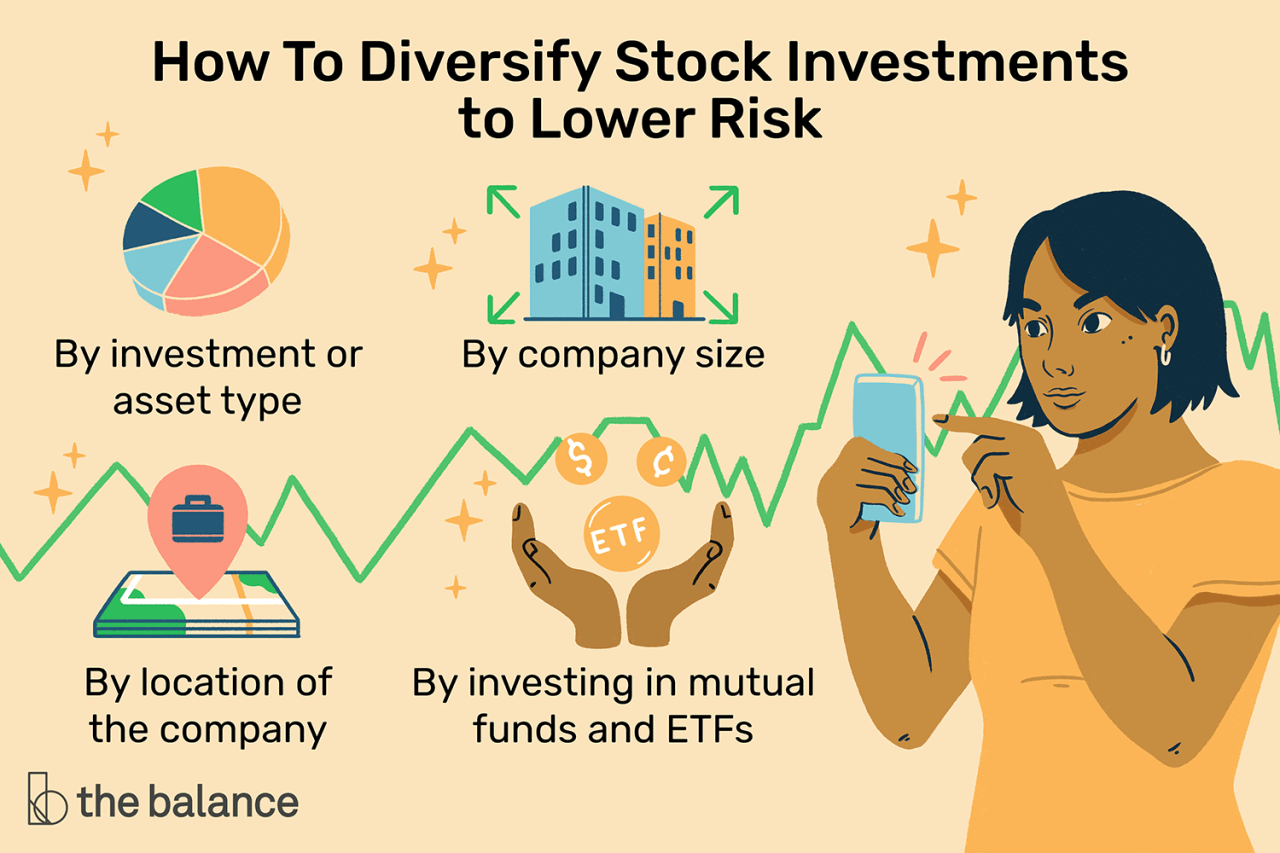
Optimizing passive income streams from cryptocurrencies involves employing advanced strategies that can enhance returns while managing associated risks effectively. Leveraging techniques such as yield farming, compounding interest, and staking optimization allows investors to maximize their earnings and achieve sustainable growth over time. Implementing these strategies requires a comprehensive understanding of market dynamics, platform capabilities, and risk mitigation practices to ensure consistent and profitable income sources.
By adopting a disciplined approach and staying informed about evolving opportunities, investors can significantly improve their passive income outcomes. The following sections detail key methods and best practices to help you elevate your crypto passive income portfolio to its highest potential.
Yield Farming and Liquidity Mining
Yield farming involves providing liquidity to decentralized finance (DeFi) protocols in exchange for interest or reward tokens. This strategy enables investors to earn high yields, often exceeding traditional financial instruments. Liquidity mining is a subset where users supply specific token pairs to decentralized exchanges (DEXs) to facilitate trading, earning rewards proportional to their contribution.
Effective yield farming requires selecting platforms with sustainable reward structures and understanding the underlying liquidity pools. Monitoring the performance of these pools and diversifying across multiple protocols can mitigate risks such as impermanent loss and smart contract vulnerabilities. Yield aggregators like Yearn.Finance automate the process, optimizing yields by reallocating assets among the highest-performing pools automatically.
Compounding Interest and Reinvestment
Compounding interest is a powerful technique to exponentially grow your passive income by reinvesting earned rewards or interest into the same or different crypto assets. This approach creates a snowball effect, where earnings generate additional income, accelerating growth over time. Many platforms support automatic compounding, simplifying the process and ensuring consistent reinvestment.
To maximize benefits, investors should select platforms that offer compounding features and periodically review their investment allocations to align with market conditions. Establishing a disciplined reinvestment schedule helps maintain momentum and prevents missed opportunities due to market fluctuations.
Staking Optimization
Staking involves locking up a portion of your cryptocurrency holdings to support network operations, such as validating transactions, in return for staking rewards. To maximize passive income, it is essential to choose staking platforms that offer competitive yields, robust security, and flexible withdrawal options. Active management of staking pools and validator nodes can also improve payout efficiency.
Optimizing staking involves assessing network health, reward structures, and validator performance. Participating in delegated staking or pool staking can diversify risk and increase potential returns by combining resources with other investors. Additionally, choosing staking assets with high liquidity reduces the risk of immobilizing funds during market downturns.
Analyzing Market Conditions for Profitable Opportunities
Consistent success in crypto passive income streams depends on timely identification of advantageous market conditions. Investors should utilize technical and fundamental analysis tools to evaluate market trends, liquidity levels, and protocol developments. Monitoring macroeconomic factors such as regulatory changes, interest rates, and adoption rates provides insights into potential shifts impacting yields.
Regularly analyzing platform performance metrics, token value stability, and reward sustainability helps in selecting optimal opportunities. Staying informed through reputable crypto news sources, social platforms, and project updates enables proactive decision-making and avoids exposure to overhyped or high-risk schemes.
Best Practices and Tips for Maintaining Consistent Passive Income
Ensuring steady passive income from crypto investments requires adherence to proven practices and disciplined management:
- Conduct thorough due diligence before committing funds to any platform or protocol.
- Diversify investments across different assets, platforms, and strategies to spread risk.
- Regularly review and rebalance your portfolio to adjust for market fluctuations and yield changes.
- Implement security measures such as hardware wallets, two-factor authentication, and platform audits.
- Stay updated on protocol upgrades, security patches, and regulatory developments affecting your investments.
- Set clear profit-taking and stop-loss levels to protect gains and limit losses amidst volatility.
- Utilize automated tools and alerts to monitor performance and market movements efficiently.
“Consistent passive income in crypto is achieved through disciplined strategy, continuous learning, and proactive risk management.”
Final Wrap-Up
In conclusion, harnessing the power of crypto investments for passive income requires careful selection of platforms, risk management, and strategic planning. By applying the discussed techniques and staying informed about market and legal changes, investors can build a reliable and rewarding passive income stream through cryptocurrencies.