Understanding how to invest in crypto without losing money is essential for anyone seeking to navigate the dynamic world of digital assets with confidence and prudence. With the rapid growth of cryptocurrencies, it is vital to adopt informed strategies that minimize risks while maximizing potential returns.
This guide explores fundamental concepts of cryptocurrency investing, effective risk management techniques, reliable platform selection, practical investment procedures, ongoing portfolio monitoring, and ways to avoid common scams—empowering investors to make well-informed decisions and safeguard their investments efficiently.
Understanding the fundamentals of cryptocurrency investing

Gaining a solid understanding of the core principles behind cryptocurrency investing is essential for making informed decisions and mitigating potential risks. This foundation helps investors navigate the complex landscape of digital assets with confidence and clarity.
Cryptocurrency investing involves the purchase, holding, and potential trading of digital currencies that are secured by cryptography and operate on decentralized networks. Unlike traditional investments, which typically rely on physical assets or company performance, cryptocurrencies are primarily driven by technological innovation, market sentiment, and network adoption. Comprehending these basics is vital to developing a strategic approach that aligns with your financial goals and risk tolerance.
Basic concepts of cryptocurrency and blockchain technology
At the heart of cryptocurrency investing lies an understanding of blockchain technology, which is the foundational infrastructure supporting most digital currencies. Blockchain is a distributed ledger system that records transactions across a network of computers, ensuring transparency, security, and immutability. This technology eliminates the need for centralized authorities, making it resistant to censorship and fraud.
Cryptocurrencies are digital assets that utilize blockchain technology to facilitate peer-to-peer transactions, store value, or serve as utility tokens within specific ecosystems. They are created through processes such as mining or initial coin offerings (ICOs) and are stored in digital wallets. Cryptocurrency transactions are verified through cryptographic algorithms, which enhance security and prevent double-spending.
Different types of cryptocurrencies available for investment
The cryptocurrency market offers a diverse array of assets, each with unique features, use cases, and levels of adoption. Understanding these distinctions is crucial for selecting suitable investment options aligned with your objectives.
Most cryptocurrencies can be categorized into the following types:
- Bitcoin (BTC): The first and most widely recognized cryptocurrency, often termed digital gold. It primarily serves as a store of value and a medium of exchange.
- Altcoins: Cryptocurrencies other than Bitcoin, such as Ethereum (ETH), Ripple (XRP), Litecoin (LTC), and Cardano (ADA). These often aim to improve upon Bitcoin’s features or serve specific functions within their ecosystems.
- Tokens: Digital assets issued on existing blockchain platforms, such as Ethereum-based tokens, including utility tokens, security tokens, and stablecoins. They facilitate access to specific services or represent real-world assets.
- Stablecoins: Cryptocurrencies pegged to stable assets like fiat currencies (e.g., USD Coin, Tether). They offer price stability and are often used for trading or as a hedge against volatility.
| Type of Cryptocurrency | Primary Function | Example | Risk Level |
|---|---|---|---|
| Bitcoin | Digital gold, store of value | BTC | Moderate |
| Altcoins | Enhanced features, specific use cases | ETH, XRP, LTC | Variable |
| Tokens | Access to services, representing assets | USDT, UNI | Higher |
| Stablecoins | Price stability, trading pairs | Tether (USDT), USD Coin (USDC) | Low |
Traditional investments versus cryptocurrency investments
Understanding the key differences between traditional and crypto investments allows investors to better weigh their options and recognize the unique opportunities and risks associated with each class.
Traditional investments, such as stocks, bonds, and real estate, are typically regulated by government authorities and backed by tangible assets or earnings. They tend to have established markets, predictable returns, and comprehensive legal protections. These investments are generally less volatile and offer a sense of security rooted in economic fundamentals.
In contrast, cryptocurrency investments are relatively new, highly volatile, and operate in a decentralized environment. Digital assets can experience rapid price swings driven by market sentiment, technological developments, and regulatory changes. While offering potential for high returns, they also pose significant risk, including loss of capital due to hacking, scams, or market crashes.
For example, Bitcoin’s price surged from under $1,000 in early 2017 to nearly $20,000 in December of the same year, then experienced substantial volatility afterward. Meanwhile, traditional investments like government bonds generally maintain stable yields but offer lower growth potential. Recognizing these contrasts enables investors to diversify their portfolios appropriately, balancing high-risk crypto assets with more stable traditional investments to optimize growth while managing risk.
Selecting reliable and secure platforms for investment

Choosing the right platform is a fundamental step in safeguarding your cryptocurrency investments. An effective, trustworthy platform not only provides a secure environment for transactions but also offers user-friendly features that facilitate management of your digital assets. With the increasing popularity of cryptocurrencies, numerous exchanges and wallets have emerged, making it essential to evaluate their reliability thoroughly before investing.
Ensuring the security of your investments involves understanding the criteria that define a trustworthy platform, setting up your accounts with best security practices, and enabling safeguards like two-factor authentication. Carefully selecting platforms aligned with your needs can significantly reduce exposure to risks such as hacking, fraud, or loss of funds.
Criteria for evaluating trustworthy crypto exchanges and wallets
When selecting a platform, it is vital to consider several key factors that determine its trustworthiness and security features. These criteria help investors make informed decisions and avoid platforms with poor security practices or unreliable service.
- Regulatory Compliance: Verify whether the platform complies with relevant financial authorities and regulations in its operating regions. Registered exchanges are subject to audit and legal standards, providing an additional layer of security.
- Security Measures: Assess the platform’s security protocols, including encryption standards, cold storage practices, and compliance with security certifications such as ISO/IEC 27001.
- Reputation and User Reviews: Research platform reputation through user feedback, industry reviews, and historical performance. Trusted platforms typically have transparent histories and active community support.
- Fee Structure: Understand fee policies for trading, withdrawals, and deposits. Transparent fee structures aid in accurate cost estimation and prevent unexpected charges.
- Available Features: Check for features such as fiat-to-crypto trading, advanced order types, and educational resources, which can enhance your trading experience.
Procedural steps for setting up secure accounts and enabling two-factor authentication
Creating a secure account on a cryptocurrency platform involves a series of steps designed to protect your digital assets from unauthorized access. Implementing two-factor authentication (2FA) adds an extra layer of security beyond just a password.
- Account Registration: Provide accurate personal information during registration, including valid contact details, to facilitate verification processes.
- Secure Password Creation: Use a strong, unique password combining uppercase and lowercase letters, numbers, and special characters. Avoid common or reused passwords.
- Verification Processes: Complete identity verification (KYC) procedures as required by the platform, which may involve submitting government-issued ID and proof of address.
- Enabling Two-Factor Authentication: Access your account settings and activate 2FA using an authentication app (such as Google Authenticator or Authy). This ensures that a second verification code is required for login, significantly reducing the risk of unauthorized access.
- Backup Codes and Recovery Options: Save backup codes provided during 2FA setup in a secure location. Ensure recovery options are updated and secure to regain access if needed.
Features of top-rated crypto platforms
Below is a comparative table highlighting the key features of some leading cryptocurrency exchanges and wallets, focusing on security measures, fee structures, and other relevant attributes. This helps investors identify platforms that best align with their security preferences and trading requirements.
| Platform | Security Measures | Fees | Additional Features |
|---|---|---|---|
| Coinbase |
|
|
|
| Binance |
|
|
|
| Ledger Nano X (Hardware Wallet) |
|
Price: approximately $119 USD |
|
| MetaMask (Software Wallet) |
|
Free to download; transaction fees vary |
|
Practical Procedures for Investing Without Losing Money
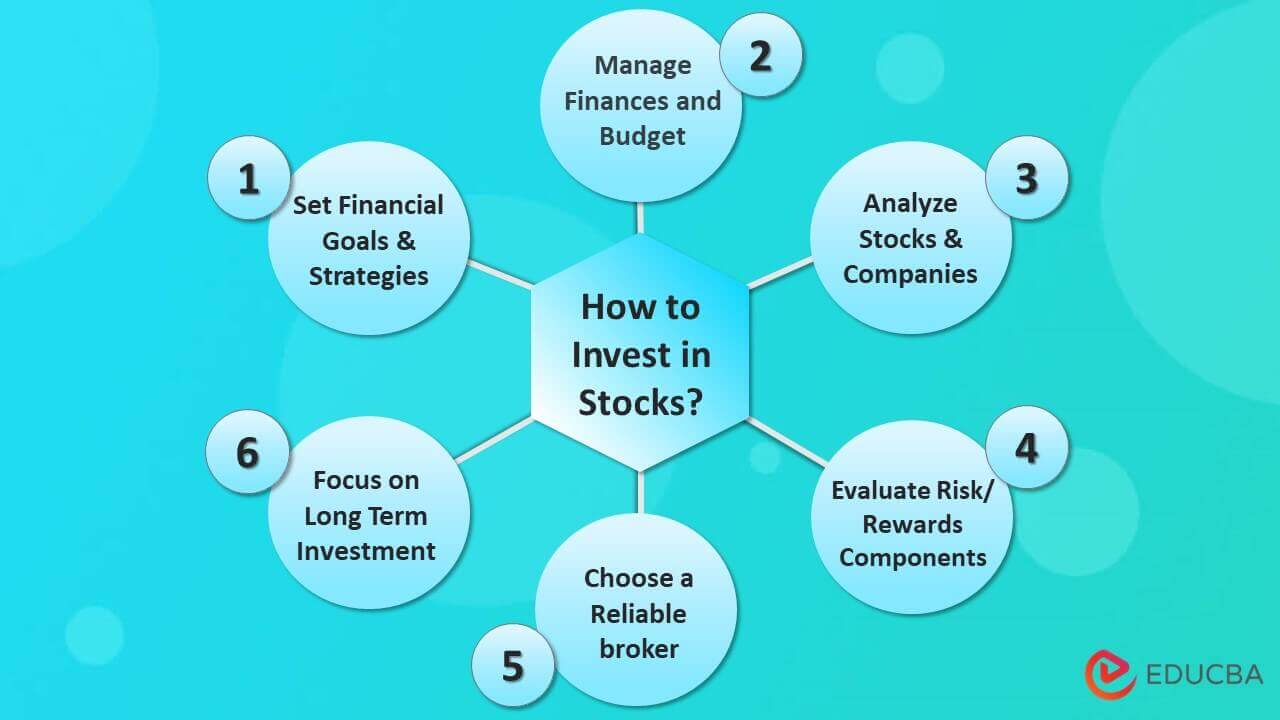
Investing in cryptocurrencies can be rewarding, but it requires a disciplined approach to minimize risks and avoid significant losses. Implementing structured procedures ensures that investments are made thoughtfully, with an emphasis on security, research, and strategic planning. This section guides you through essential steps to help you invest wisely and safeguard your assets throughout your crypto journey.Effective investment in cryptocurrencies involves a combination of diligent research, disciplined purchasing strategies, and vigilant security practices.
By following these procedures, investors can better navigate the volatile crypto markets and protect their investments from common pitfalls such as impulsive decisions, market manipulation, or security breaches.
Researching Promising Cryptocurrencies
Conducting thorough research is fundamental to identifying cryptocurrencies with long-term potential and reducing the likelihood of investing in scams or poorly performing assets. A systematic approach includes analyzing project fundamentals, market data, and community engagement.Begin by reviewing the project’s whitepaper, which details the purpose, technology, and roadmap of the cryptocurrency. Evaluate the development team’s expertise and track record, as reputable teams are more likely to deliver on their promises.
Examine the project’s use case and whether it addresses a genuine problem, as utility is often key to long-term success.Next, analyze market performance by looking at historical price trends, trading volume, and market capitalization. Tools like CoinMarketCap or CoinGecko provide comprehensive data for these metrics. Compare the cryptocurrency against competitors to determine its unique value proposition and potential niche.Furthermore, assess community engagement on social media platforms, forums, and official communication channels.
An active and transparent community indicates strong interest and support. Look for consistent updates and clear communication from the project’s team, which reflects reliability and commitment.Lastly, stay informed about news, regulatory developments, and technological updates related to the cryptocurrency. These factors can significantly influence market sentiment and the asset’s future performance.
Implementing Dollar-Cost Averaging in Crypto Purchases
Dollar-cost averaging (DCA) is a disciplined investment strategy that involves regularly purchasing a fixed dollar amount of a particular cryptocurrency, regardless of its price fluctuations. This approach reduces the impact of volatility and mitigates the risks associated with timing the market.To effectively implement DCA, determine your total investment amount and divide it into equal parts based on your preferred investment frequency, such as weekly or monthly.
For example, if you plan to invest $10,000 over a year, you might buy $833 worth of crypto each month.Set up automatic recurring transactions on your chosen platform to ensure consistency in purchases. This automation helps eliminate emotional decision-making and market timing biases, fostering a disciplined investment habit.Monitor the performance periodically, but avoid reacting impulsively to short-term market movements. Over time, DCA can lower the average purchase price and smooth out entry points, especially during periods of high volatility.This method is particularly effective in volatile markets like cryptocurrencies, where prices can swing dramatically within short periods.
Regular investing through DCA aligns with a long-term growth perspective and helps in building a robust portfolio.
Routine Security Practices During Transactions
Maintaining security during cryptocurrency transactions is critical to safeguarding your digital assets. Following best practices reduces the risk of hacking, theft, or phishing attacks during purchase, transfer, or storage processes.
- Use strong, unique passwords for your exchange accounts and wallets, avoiding reuse across platforms.
- Enable two-factor authentication (2FA) for all accounts involved in transactions to add an extra layer of security.
- Verify the recipient’s wallet address multiple times before sending funds, as errors can lead to irreversible losses.
- Conduct transactions through secure, trusted networks, avoiding public Wi-Fi or unencrypted connections.
- Regularly update your device’s operating system and security software to protect against malware and vulnerabilities.
- Store private keys and recovery phrases offline in secure, physical locations, such as hardware wallets or safe deposit boxes.
- Be cautious of phishing attempts and suspicious links; always access platforms through official websites or verified apps.
- Maintain a record of transaction IDs and confirmations for future reference and troubleshooting.
- Limit the amount of crypto stored on exchanges, transferring larger holdings to cold storage for long-term safekeeping.
- Stay informed about recent security threats and advisories published by reputable sources within the cryptocurrency community.
Adhering to these routines during every transaction helps establish a secure environment, minimizing the risk of loss and ensuring your crypto assets remain protected throughout your investment process.
Avoiding Common Pitfalls and Scams in Crypto Investing

Investing in cryptocurrencies offers significant opportunities but also exposes investors to various risks, including scams and fraudulent schemes. Recognizing and avoiding these pitfalls is essential to protect your assets and ensure a safe investment experience. This section provides practical guidance on identifying fake schemes, verifying project legitimacy, and understanding warning signs of fraudulent activities, empowering you to make informed decisions in the dynamic crypto landscape.Cryptocurrency markets are rife with schemes that promise quick riches or exploit less-informed investors.
Being able to distinguish legitimate projects from scams is crucial in maintaining your financial security. Many scams employ sophisticated tactics such as fake websites, impersonation of reputable entities, and false testimonials to lure unsuspecting investors. Understanding how to verify authenticity and spot red flags can save you from substantial financial losses.
Recognizing Fake Schemes and Phishing Attempts
Phishing remains one of the most common methods used by scammers to steal sensitive information, including private keys, passwords, and seed phrases. Attackers often send deceptive emails, create fake websites, or impersonate legitimate exchanges and project teams to deceive investors.
- Always verify the URL of the website before entering any personal or financial information, ensuring it uses HTTPS and matches the official domain.
- Be cautious of unsolicited messages or emails claiming urgent actions or promising extraordinary returns, especially if they ask for private keys or login credentials.
- Avoid clicking on suspicious links; instead, navigate directly to official platforms via bookmarked URLs.
- Use two-factor authentication (2FA) to add an extra layer of security on all crypto-related accounts.
- Regularly update your device’s security software to protect against malware and keyloggers that could capture your login information.
Verifying the Legitimacy of Crypto Projects and Initial Coin Offerings
Due diligence is vital when evaluating new crypto projects or initial coin offerings (ICOs). Many fraudulent schemes manipulate information or create fake projects to lure investors into scams.
- Investigate the team behind the project by reviewing their professional profiles, LinkedIn pages, and previous experience in the crypto space.
- Check whether the project has undergone independent security audits or has reputable partnerships.
- Review the project’s whitepaper to assess transparency, technical feasibility, and clear use cases.
- Verify if the project is registered with relevant regulatory authorities or complies with local laws.
- Seek feedback from the community and independent review platforms; genuine projects often have active, transparent communities.
- Be wary of projects that have limited or no verifiable information, overly aggressive marketing, or pressure to invest quickly.
Common Warning Signs of Fraudulent Investments
Identifying early red flags can prevent significant financial losses. Certain behaviors and indicators consistently appear in scams or fraudulent schemes.
- Unrealistic promises of high or guaranteed returns: If an investment claims to guarantee profits or offers unusually high yields with little risk, it is likely a scam.
- Pressure tactics: Scammers often create a sense of urgency, pushing investors to act quickly without proper research.
- Anonymous or unverified team: Projects lacking transparent team information or with unverifiable backgrounds should be approached with caution.
- Poor or inconsistent communication: Vague answers to technical questions or inconsistent messaging from project representatives can indicate fraudulent intent.
- Suspicious website or social media activity: Fake websites with grammatical errors, inconsistent branding, or inactive social profiles are red flags.
- Lack of external validation: Absence of third-party audits, reputable partnerships, or community reviews can suggest a scam.
- Complex or opaque tokenomics: Vague or overly complicated economic models that lack clarity are often designed to hide fraudulent activity.
“Always approach new crypto investments with skepticism and conduct comprehensive research. When in doubt, consult experienced investors or financial advisors.”
Final Summary

In conclusion, successful crypto investing without incurring losses hinges on a solid understanding of the market, strategic diversification, secure platform usage, diligent monitoring, and vigilance against scams. By applying these principles, investors can build a resilient portfolio and enjoy the potential benefits of cryptocurrencies responsibly.