Discovering effective ways to invest for retirement without relying on a 401k opens a world of opportunities for individuals seeking financial independence. As traditional employer-sponsored plans are not always accessible, understanding alternative investment options can empower you to build a secure future. This guide explores diverse strategies, from individual retirement accounts to real estate and beyond, providing you with the knowledge to craft a personalized retirement plan that aligns with your goals and risk appetite.
By exploring options such as IRAs, taxable brokerage accounts, real estate investments, dividend stocks, bonds, health savings accounts, and self-directed plans, you can diversify your retirement portfolio effectively. Each avenue offers unique benefits, contribution limits, tax advantages, and suitability, enabling you to create a robust and flexible savings strategy outside of traditional retirement plans. Whether you’re just starting or looking to optimize your current plan, these insights will help you make informed decisions for a financially comfortable retirement.
Investing in taxable brokerage accounts for retirement
For individuals seeking alternative methods to build a retirement nest egg outside of traditional employer-sponsored plans, taxable brokerage accounts offer a flexible and accessible option. These accounts provide the opportunity for long-term growth, access to a wide range of investment options, and strategic tax planning, making them a vital component of a comprehensive retirement strategy.
While taxable accounts do not offer the upfront tax advantages of retirement-specific accounts, with careful selection and management, they can become powerful tools for wealth accumulation. Implementing effective investment procedures, choosing suitable accounts, and adopting tax-efficient strategies are essential to maximizing their benefits and ensuring sustained growth toward retirement goals.
Selecting Suitable Brokerage Accounts for Long-Term Growth
Choosing the right brokerage account is a critical first step in establishing a successful long-term investment plan for retirement. Key considerations include account features, investment options, fees, and the platform’s reputation for customer service. Investors should prioritize accounts that offer low transaction costs, a broad selection of securities, and robust research tools to facilitate informed decision-making.
It is advisable to evaluate brokerage firms that are well-established, with transparent fee structures and user-friendly interfaces. Additionally, some brokerages provide specialized accounts with features tailored for retirement planning, such as automatic dividend reinvestment and tax reporting tools. Comparing these features can help identify a brokerage that aligns with your investment horizon and risk appetite.
Strategies for Tax-Efficient Investing within Taxable Accounts
Effective tax management is paramount when investing in taxable accounts, as gains and income are subject to annual taxation. Employing strategies that minimize tax liabilities can significantly enhance long-term growth. These strategies include:
- Tax-Loss Harvesting: Selling investments that have declined in value to realize a loss, which can offset gains from other investments and reduce taxable income.
- Asset Location Optimization: Placing tax-inefficient investments (e.g., bonds, REITs) in tax-advantaged accounts, and holding tax-efficient investments (e.g., index funds, ETFs) in taxable accounts.
- Holding Investments Long-Term: Favoring buy-and-hold strategies to benefit from lower long-term capital gains tax rates, which are generally more favorable than short-term rates.
- Utilizing Tax-Deferred Growth: Investing in tax-efficient funds and using strategies such as dividend reinvestment to defer taxes and maximize compound growth.
“Tax-efficient investing involves balancing growth with the strategic placement of assets to minimize tax liabilities, enabling your investments to grow more effectively over time.”
Example Portfolio Allocation for Long-Term Growth and Risk Management
Designing an investment portfolio within a taxable account requires balancing asset classes to achieve growth while managing risk. Below is an example of a diversified, moderate-risk allocation suitable for long-term retirement savings:
| Asset Class | Percentage of Portfolio | Description and Rationale |
|---|---|---|
| U.S. Total Stock Market ETF | 40% | Provides broad exposure to the U.S. equity market, capturing growth from large, mid, and small-cap stocks. Suitable for long-term appreciation. |
| International Developed Markets ETF | 20% | Diversifies geographically, reducing reliance on the U.S. economy and capturing growth in global markets. |
| Domestic Bond ETF | 20% | Offers stability and income, balancing equity risk and reducing volatility during downturns. |
| Real Estate Investment Trusts (REITs) | 10% | Provides income and diversification, with exposure to the real estate sector’s growth potential. |
| Emerging Markets ETF | 10% | Targets higher growth opportunities in developing economies, acknowledging higher volatility. |
This allocation aims for a moderate risk profile, emphasizing growth through equities while maintaining stability via bonds. Rebalancing periodically ensures the portfolio remains aligned with your risk tolerance and retirement timeline.
Investors should tailor this example to their individual risk comfort, investment horizon, and financial situation, potentially consulting with a financial advisor to refine their approach.
Real estate investments as retirement savings
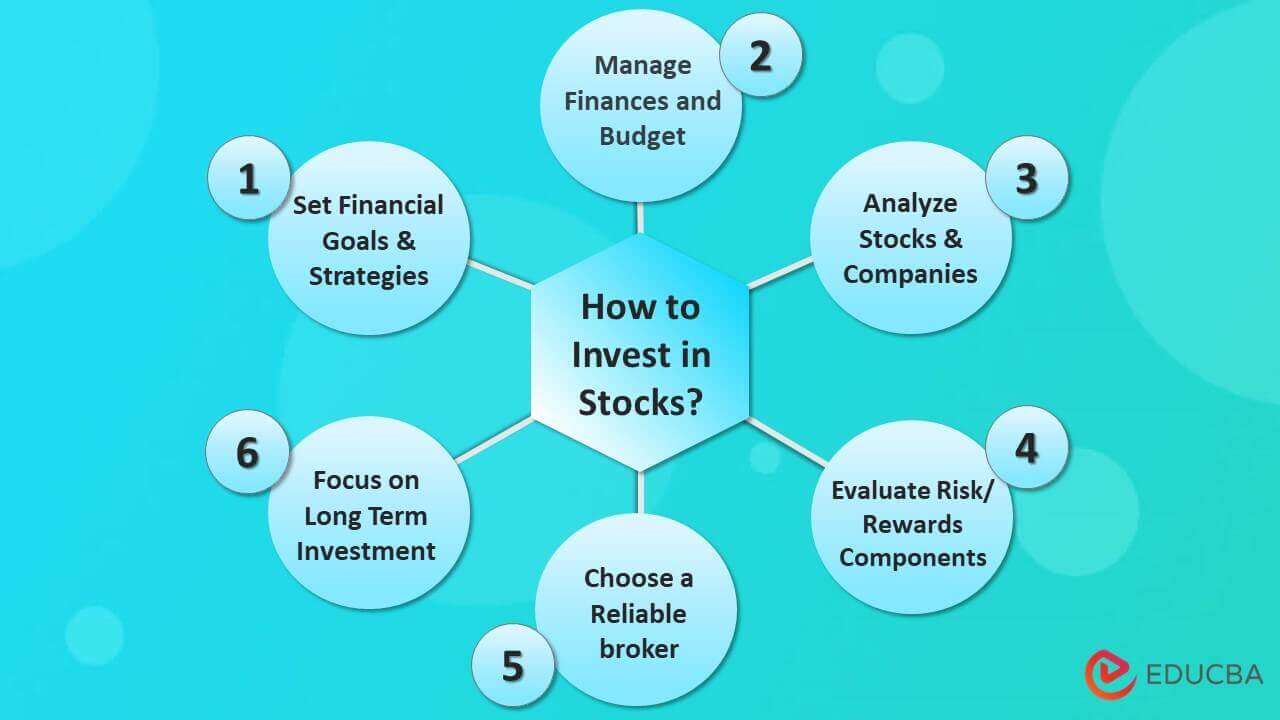
Investing in real estate provides a tangible and potentially lucrative avenue for building retirement wealth outside traditional retirement accounts. Whether through direct ownership of rental properties, investments in real estate investment trusts (REITs), or participation in real estate crowdfunding platforms, these options offer diverse strategies suited to different investment goals and risk tolerances. Understanding how to evaluate these opportunities and comparing their benefits can help investors make informed decisions to secure their financial future.
Real estate investments serve as a valuable component of a diversified retirement portfolio. They can generate passive income, appreciate over time, and offer tax advantages, making them an appealing alternative or supplement to conventional savings methods. Each approach—rental properties, REITs, and crowdfunding—comes with its unique characteristics, risk profiles, and capital requirements, which should be carefully considered in alignment with individual investment objectives.
Methods for investing in rental properties, REITs, and real estate crowdfunding platforms
Exploring various avenues for real estate investment allows investors to tailor their strategies according to resources, expertise, and risk appetite. Rental properties involve direct ownership and management, offering control over investment decisions but requiring significant upfront capital and active involvement. REITs enable investors to access real estate markets through publicly traded securities, providing liquidity and diversification without the need for property management.
Crowdfunding platforms pool funds from multiple investors to finance real estate projects, offering opportunities for smaller investments with the potential for attractive returns but also higher risk and less liquidity.
Step-by-step guide on evaluating property investments and estimating cash flow
Assessing real estate investments involves a systematic approach to ensure potential returns align with retirement goals. The evaluation process includes analyzing location prospects, property condition, market trends, and financial indicators. Accurate cash flow estimation is essential to determine the investment’s profitability and sustainability.
- Research the market and location: Investigate neighborhood trends, employment rates, amenities, and future development plans that could influence property value and rental demand.
- Analyze property details: Examine physical condition, age, size, and features. Conduct inspections or review inspection reports to identify potential repair costs or deferred maintenance issues.
- Estimate acquisition and financing costs: Calculate purchase price, closing costs, property taxes, insurance, and financing terms such as interest rates and loan duration.
- Calculate projected rental income: Research comparable rental rates in the area to estimate monthly income, considering occupancy rates and potential vacancies.
- Determine operating expenses: Include property management fees, maintenance, repairs, property taxes, insurance, and utilities if applicable.
- Estimate cash flow: Use the formula:
Cash Flow = Total Rental Income – Operating Expenses – Mortgage Payments
Summing these elements provides a clear picture of monthly or annual net income from the property.
- Perform sensitivity analysis: Adjust assumptions for rental income, vacancy rates, or expenses to understand potential variances in cash flow and overall profitability.
Consistent due diligence and realistic projections are vital for successful real estate investing tailored for retirement savings, ensuring that investments remain sustainable and aligned with long-term financial plans.
Comparison chart of real estate investment options
Understanding the distinctions among rental properties, REITs, and crowdfunding platforms helps investors select appropriate strategies based on their risk tolerance, capital availability, and management preferences. Below is a comparative overview:
| Feature | Rental Properties | REITs | Real Estate Crowdfunding |
|---|---|---|---|
| Ownership | Direct ownership of physical property | Ownership through publicly traded or private trust shares | Participation in real estate projects via online platforms |
| Liquidity | Low; properties typically require significant time and effort to sell | High; traded on stock exchanges or easily sold on secondary markets | |
| Capital Requirements | High; substantial initial investment needed for property purchase | Moderate; can purchase fractional shares, making entry more accessible | |
| Management | Hands-on; involves property management and tenant relations | Passive; management handled by the REIT | |
| Returns | Rental income plus appreciation; influenced by market and management | Dividend income and capital appreciation; generally more stable | |
| Tax Benefits | Depreciation, mortgage interest deductions, potential 1031 exchanges | Dividends taxed as ordinary income or qualified dividends; no direct depreciation benefits | |
| Risks | Market volatility, property devaluation, management challenges, vacancy rates | Market risk, dividend fluctuations, liquidity risk, interest rate sensitivity |
Each real estate investment avenue offers distinct advantages and challenges. Rental properties provide control and potential for high returns but demand active management. REITs offer liquidity and diversification with minimal effort. Crowdfunding platforms enable access to diverse projects with smaller capital, though they may involve higher risks and less liquidity. Selecting the optimal approach depends on individual financial goals, risk appetite, and investment expertise.
Investing in dividend-paying stocks and bonds
Building a reliable stream of income for retirement requires strategic investment choices that prioritize stability and consistent returns. Dividend-paying stocks and bonds have historically served as dependable sources of income, offering investors regular cash flows alongside potential for capital appreciation. This approach is especially valuable for those seeking to supplement other retirement savings methods with investments that generate steady income over time.
Carefully selecting dividend stocks and bonds involves assessing their financial health, dividend histories, and risk profiles. Diversification across various sectors and issuers helps mitigate risks and ensures a balanced income stream. By understanding these key factors, investors can construct a resilient portfolio aimed at providing predictable income well into retirement years.
Identifying reliable dividend stocks and bonds for steady income
Reliable income-generating investments typically exhibit consistent dividend or interest payments, a strong financial foundation, and manageable risk levels. When choosing dividend stocks, focus on companies with a track record of maintaining or increasing dividends over several years, often referred to as “dividend aristocrats.” These firms tend to operate in stable industries such as utilities, consumer staples, and healthcare, which are less susceptible to economic fluctuations.
For bonds, prioritize issues with high credit ratings from agencies like Standard & Poor’s, Moody’s, or Fitch. Investment-grade bonds, especially those issued by governments or well-established corporations, tend to offer lower default risk and more predictable income streams.
It is advisable to analyze key metrics such as dividend payout ratios, earnings stability, and bond yield spreads, thus ensuring the investments align with your risk tolerance and income objectives.
Building a diversified income-generating portfolio
A well-diversified portfolio balances risk and return by including a mix of dividend stocks and bonds across different sectors and geographic regions. Diversification reduces exposure to sector-specific downturns and mitigates the impact of individual company or issuer failures.
Constructing such a portfolio involves allocating assets according to your risk appetite, investment horizon, and income needs. A common approach is to blend stocks with higher dividend yields that also carry moderate risk with bonds that offer stability and fixed interest payments. Rebalancing periodically ensures the portfolio remains aligned with your objectives and adapts to market changes.
Practicing diversification also means considering different bond types, such as government bonds, municipal bonds, and corporate bonds, each with varying risk and tax implications. Incorporating a mix of these assets enhances income reliability and reduces overall investment risk.
Sample table of recommended stocks and bonds with yield percentages and risk assessments
| Investment Type | Example | Yield Percentage | Risk Level | Notes |
|---|---|---|---|---|
| Dividend Stock | Johnson & Johnson (JNJ) | 2.7% | Moderate | Dividend aristocrat with a consistent dividend history, stable healthcare sector |
| Dividend Stock | Procter & Gamble (PG) | 2.4% | Moderate | Strong consumer staples company with a long-term dividend increase record |
| Government Bond | US 10-Year Treasury | 3.5% | Low | Highly liquid and backed by the US government, minimal default risk |
| Municipal Bond | California General Obligation Bond | 3.0% | Low to Moderate | Tax advantages; risk varies based on issuer creditworthiness |
| Corporate Bond | Apple Inc. Bond (Investment Grade) | 3.8% | Moderate | Issued by a financially strong company, offering a balance of yield and safety |
By carefully selecting and diversifying across these investment options, retirees can establish a consistent income stream that supports their financial independence and peace of mind throughout their retirement years.
Using Health Savings Accounts (HSAs) for Retirement Savings
Health Savings Accounts (HSAs) are a valuable yet often underutilized tool for building retirement wealth. While primarily designed to cover healthcare expenses, HSAs offer unique tax advantages that can significantly enhance long-term savings. Understanding how to effectively leverage HSAs can complement other retirement planning strategies, especially for individuals seeking alternatives to traditional retirement accounts like 401(k)s.
HSAs are available to individuals enrolled in high-deductible health plans (HDHPs) and can serve as a flexible savings vehicle. By strategically contributing and investing within an HSA, savers can grow their funds tax-free, providing a substantial boost to their retirement nest egg. Proper integration of HSAs into overall financial planning ensures that healthcare costs are covered efficiently while maximizing growth potential.
HSA Eligibility, Contribution Limits, and Tax Benefits
To qualify for an HSA, individuals must be enrolled in a compliant high-deductible health plan, not be covered by other disqualifying health coverage, and not be enrolled in Medicare or claimed as a dependent on someone else’s tax return. This eligibility ensures that the account is used as a supplementary health savings tool rather than a primary insurance.
For 2024, the Internal Revenue Service (IRS) has set annual contribution limits at $4,150 for individual coverage and $8,300 for family coverage. Additionally, individuals aged 55 and older can make catch-up contributions of up to $1,000 per year, further facilitating retirement savings.
HSAs offer a triple tax advantage: contributions are tax-deductible or pre-tax if made through payroll deductions, the account grows tax-free through investments, and withdrawals used for qualified medical expenses are tax-free. This combination makes HSAs a highly efficient vehicle for accumulating tax-advantaged funds over time.
Maximizing HSA Growth Through Investments
To fully capitalize on the potential of an HSA, account holders should consider investing their funds once the balance exceeds an amount suitable for immediate healthcare needs. Many providers offer options for investing in mutual funds, ETFs, or other securities within the HSA, allowing the account to grow more rapidly than in a cash account.
Investing within an HSA involves selecting a diversified portfolio aligned with risk tolerance and time horizon. Since HSAs can be used for healthcare expenses at any point in the future, funds can be left to grow tax-free, compounding over many years. Reinvesting dividends and capital gains within the account can significantly boost overall growth.
It is advisable to periodically review the investment allocation and rebalance as needed, ensuring that the HSA remains aligned with the overall retirement strategy. Keeping a portion of the HSA in cash or low-risk investments for immediate medical expenses is also prudent to avoid having to liquidate long-term investments prematurely.
Integrating HSA Investments into Overall Retirement Planning
Incorporating an HSA into a broader retirement plan involves strategic timing of contributions, investments, and withdrawals. Contributions should be maximized annually up to the IRS limit, especially if healthcare expenses are minimal or expected to be covered elsewhere.
As healthcare costs tend to rise with age, using the HSA as a supplemental retirement account can help mitigate these expenses. Savings accumulated in the HSA can be withdrawn tax-free for qualified medical expenses, which are often significant in retirement, reducing the need to withdraw from taxable accounts.
Additionally, once reaching age 65, HSA funds can be withdrawn for non-medical purposes without penalty, though such withdrawals will be subject to ordinary income tax—similar to traditional IRA distributions. Therefore, planning for HSA distributions involves coordinating with other retirement income streams to optimize tax outcomes.
Effective integration requires maintaining a comprehensive view of healthcare needs, investment growth, and tax implications, ensuring the HSA supports overall financial security in retirement.
Building a Self-Directed Investment Plan
Creating a personalized investment strategy is a vital step for individuals aiming to secure their retirement without relying on employer-sponsored plans. This approach offers flexibility, control, and the potential to tailor investments according to personal risk tolerance, financial goals, and investment preferences. A well-structured self-directed investment plan empowers individuals to actively participate in their retirement planning and adapt their strategies as market conditions and personal circumstances evolve.
Developing an effective self-directed investment plan involves understanding various account options, selecting appropriate investment assets, and establishing a disciplined approach to managing your portfolio. This process enables investors to diversify their retirement savings across different asset classes and investment vehicles, aligning their investments with long-term objectives and risk appetite.
Choosing Self-Directed Account Options
Individuals seeking to establish a self-directed retirement investment plan must first select suitable account types that provide the necessary flexibility and legal framework. Several options are available, each with distinct features, benefits, and considerations:
- Custodial Accounts: These are accounts managed by a custodial entity, often used for minors or individuals who want control over investment choices without the complexities of trust administration. Custodial accounts can hold a wide range of assets, including stocks, bonds, ETFs, and alternative investments.
- Trust Accounts: Trusts allow for more comprehensive estate planning, offering control over asset distribution and potential tax benefits. A trust account can be tailored to meet specific retirement planning needs, especially for high-net-worth individuals or those seeking to protect assets across generations.
- Individual Brokerage Accounts: These are non-retirement accounts that can be converted into or used as part of a broader self-directed retirement strategy. They provide substantial flexibility in choosing investment assets beyond traditional retirement accounts.
When selecting an account, consider factors such as tax implications, ownership structure, estate planning goals, and the level of control desired. Consulting with a financial advisor or legal professional can help determine the most suitable option aligned with personal circumstances.
Selecting Investment Assets for a Self-Directed Portfolio
Choosing the right assets is crucial for building a diversified and resilient retirement portfolio. Investors should evaluate various asset classes, considering their risk profiles, expected returns, liquidity, and alignment with long-term goals. The following are common options suitable for self-directed investment plans:
ETFs, commodities, and alternative assets: These offer diversification beyond traditional stocks and bonds, allowing investors to tailor their portfolios to specific sectors, commodities, or unconventional investments that may hedge against inflation or market volatility.
When organizing a portfolio, it’s important to consider a mix of assets to balance risk and growth potential. For example, ETFs provide exposure to broad market indices or specific sectors, offering diversification with relatively low costs. Commodities like gold or oil can serve as inflation hedges, while alternative assets such as real estate investment trusts (REITs), private equity, or cryptocurrencies may enhance diversification and potential returns.
Developing an asset allocation strategy entails assessing individual risk tolerance, investment horizon, and market outlook. Regular review and rebalancing of the portfolio ensure alignment with evolving financial goals and market dynamics, fostering a disciplined approach to retirement savings.
Tax Implications and Planning Strategies
Investing for retirement without a traditional 401(k) plan requires strategic planning to maximize tax advantages and ensure long-term financial security. Understanding the tax implications of various investment accounts and employing effective planning strategies can significantly enhance your retirement savings journey. Proper tax planning not only preserves your wealth but also allows you to utilize available incentives to grow your investments efficiently.Effective tax management involves a combination of choosing suitable account types, timing of transactions, and strategic asset placement.
By leveraging tax-advantaged accounts, implementing tax-loss harvesting, and optimizing the location of your investments, you can reduce your taxable income and improve your overall returns. This section provides an overview of key strategies to help you navigate the complex landscape of tax implications associated with non-401(k) retirement investments.
Strategies to Optimize Tax Advantages When Investing Without a 401(k)
Maximizing tax benefits in your retirement plan outside of traditional employer-sponsored plans involves selecting appropriate account types and investment vehicles. It is essential to understand how different accounts are taxed and how to utilize them effectively.
Utilize Tax-Advantaged Accounts
Explore options such as Roth IRAs, Health Savings Accounts (HSAs), and municipal bonds that provide tax-free growth or tax deductions. Each offers specific benefits depending on your income level and retirement goals.
Contribute Consistently and Maximize Contributions
Regular contributions to these accounts increase your tax-advantaged savings and can lower your current taxable income.
Choose Tax-Efficient Investments
Invest in assets that generate minimal taxable income, such as index funds or ETFs, which often produce lower capital gains compared to actively managed funds.
Implementing Tax-Loss Harvesting and Asset Location Optimization
Tax-loss harvesting involves strategically selling investments at a loss to offset gains realized elsewhere, which can significantly reduce your tax liability. Proper asset location optimization involves placing different types of investments in accounts that best suit their tax characteristics.
Tax-Loss Harvesting
Regularly review your portfolio to identify investments with unrealized losses.
Sell these assets to offset gains from other investments, thereby decreasing taxable income.
Reinvest the proceeds into similar assets to maintain your investment strategy.
Be mindful of the wash-sale rule, which disallows claiming a loss if the same or a substantially identical security is purchased within 30 days before or after the sale.
Asset Location Optimization
Place tax-inefficient investments, such as bond funds and actively managed funds, in tax-advantaged accounts like Roth IRAs or HSAs.
Allocate tax-efficient investments, such as low-turnover index funds, in taxable brokerage accounts.
This strategy minimizes the tax burden on income and capital gains, enhancing overall after-tax returns.
Summary of Tax Benefits by Investment Account Type
Below is a responsive table summarizing the primary tax advantages associated with different retirement investment accounts, aiding in strategic planning and account selection.
| Account Type | Tax Advantages | Contribution Limits | Tax Treatment of Withdrawals |
|---|---|---|---|
| Traditional IRA | Tax-deductible contributions; tax-deferred growth | Up to $6,500 annually (under age 50) or $7,500 (age 50+); subject to income limits for deductions | Taxable as ordinary income upon withdrawal |
| Roth IRA | Contributions are made with after-tax dollars; tax-free growth | Same as Traditional IRA; but subject to income eligibility constraints | Tax-free if rules are met (e.g., age 59½ and account open for 5 years) |
| HSA (Health Savings Account) | Contributions are tax-deductible; tax-free growth and withdrawals for qualified medical expenses | Up to $3,850 (individual) or $7,750 (family) in 2024; extra $1,000 catch-up for age 55+ | Tax-free if used for qualified medical expenses; taxed as income if used otherwise |
| Taxable Brokerage Account | No immediate tax benefits; subject to capital gains taxes | No contribution limits | Taxed on dividends, interest, and capital gains; rates vary based on holding period and income |
| Municipal Bonds | Interest income is usually tax-free at federal (and sometimes state) level | No contribution limits | Interest generally tax-exempt; capital gains taxed |
Properly understanding and leveraging the tax implications of each account type is fundamental to a successful retirement strategy outside of traditional employer-sponsored plans. Combining these strategies with diligent tax planning can significantly enhance your retirement readiness while minimizing tax burdens.
Developing a comprehensive retirement savings plan

Creating an effective retirement savings plan requires careful planning, clear goal setting, and strategic allocation of resources. A well-structured plan ensures that individuals can meet their future financial needs while managing risks and optimizing returns across various investment vehicles. This approach provides peace of mind and financial stability during retirement years.
Building a holistic retirement plan involves understanding personal financial goals, estimating future expenses, and selecting appropriate investment strategies to bridge the gap between current savings and future needs. Regular review and adjustment of the plan are essential to accommodate changing circumstances and market conditions, ensuring long-term success.
Setting retirement goals and calculating needed savings
Establishing specific, measurable, and realistic retirement goals serves as the foundation of a robust savings strategy. This process involves determining the desired retirement age, lifestyle expectations, and estimated annual expenses during retirement, including healthcare, housing, travel, and leisure activities.
Once goals are defined, the next step is calculating the total savings required to fund this lifestyle. The calculation typically involves projecting future expenses and adjusting for inflation, then estimating the retirement corpus needed to generate enough income through investments to cover these costs. Using the rule of thumb that retirees may need 70-80% of their pre-retirement income annually can serve as a guideline, but personalized estimates based on individual circumstances yield better results.
To determine the total savings goal, consider applying the formula:
Total Retirement Savings = (Annual Expenses in Retirement × Number of Retirement Years) ÷ Safe Withdrawal Rate
For example, if an individual anticipates needing $50,000 annually for 25 years, and a safe withdrawal rate is considered to be 4%, then the estimated retirement corpus is $1,250,000.
Allocating contributions among various investment vehicles
Distributing contributions effectively among different investment vehicles is vital for diversification, risk management, and growth optimization. The allocation strategy should align with an individual’s risk tolerance, investment horizon, and income needs during retirement.
Generally, a mix of taxable brokerage accounts, real estate investments, dividend-paying stocks, bonds, and health savings accounts can be utilized. Younger individuals may lean toward higher equity exposure for growth, while those nearing retirement might prioritize bonds and fixed-income securities to preserve capital. Periodic rebalancing ensures the portfolio maintains its intended risk profile and capitalizes on market opportunities.
Asset allocation is a dynamic process that should evolve over time, balancing growth potential with risk mitigation and income generation to meet long-term goals.
For instance, a typical allocation might allocate 60% to equities (including dividend stocks), 25% to bonds, 10% to real estate, and 5% to cash or cash equivalents. As retirement approaches, this distribution might shift to 30% equities and 60% bonds for stability.
Procedures for ongoing portfolio review and adjustment
Maintaining an active approach to portfolio management helps ensure alignment with retirement goals amid changing market conditions and personal circumstances. Regular reviews allow investors to identify imbalances, reassess risk, and incorporate new investment opportunities.
Consider implementing the following procedures for continuous portfolio oversight:
- Schedule a comprehensive review at least annually, or more frequently during volatile market periods.
- Compare current asset allocation against target allocations and rebalance as needed to maintain desired risk levels.
- Monitor the performance of individual investments relative to benchmarks and adjust underperforming holdings.
- Reassess risk tolerance periodically, especially following significant life events such as career changes, inheritance, or health issues.
- Update retirement goals based on changes in expenses, inflation, or income sources, ensuring the savings plan remains realistic and aligned.
- Stay informed about market trends, tax law changes, and new investment options that could enhance portfolio performance or tax efficiency.
Implementing a disciplined review process fosters proactive management, minimizes surprises, and maximizes the potential for meeting retirement income needs.
Closing Summary
In conclusion, building a retirement savings plan without a 401k requires a strategic approach tailored to your financial landscape. By leveraging various investment vehicles and optimizing tax benefits, you can achieve your retirement goals with confidence and flexibility. Staying proactive with regular reviews and adjustments will ensure your plan remains aligned with your evolving needs, ultimately paving the way for a secure and fulfilling retirement.