Learning how to invest in bonds with little money can be an excellent way to start building your financial future with manageable risk and accessible options. Bonds offer a stable investment avenue, and understanding how to approach them with limited funds opens the door to diversification and steady returns without requiring substantial capital.
This guide provides practical strategies for small investors, including choosing suitable bond types, utilizing bond funds and ETFs, and selecting user-friendly platforms. By following these steps, even those with modest savings can begin their journey into bond investment confidently and effectively.
Understanding Bonds and Investment Basics

Investing in bonds offers a practical and accessible avenue for individuals with limited funds to grow their savings steadily over time. Grasping the fundamental concepts of bonds, their various types, and how they function is essential for making informed investment choices that align with your financial goals. This section provides a clear overview of bonds, highlighting their advantages for small investors and offering guidance to initiate your journey into bond investments effectively.
Bonds are debt instruments issued by entities such as governments, municipalities, or corporations to raise capital. When you purchase a bond, you are essentially lending money to the issuer in exchange for periodic interest payments and the return of the principal amount at maturity. Bonds are generally considered lower-risk investments compared to stocks, making them suitable for conservative investors or those starting with limited capital.
Their predictable income streams and relative stability can help diversify your investment portfolio, even with modest funds.
Types of Bonds and Their Key Features
Understanding the different types of bonds is crucial, as each offers unique benefits and risk profiles. Here is a comparison of common bond types, highlighting their essential features:
| Bond Type | Issuer | Typical Maturity | Interest Payments | Tax Benefits | Risk Level |
|---|---|---|---|---|---|
| Government Bonds | National governments (e.g., U.S. Treasury bonds) | 1 to 30 years | Periodic (semi-annual or annual) | Generally tax-exempt at state/local levels (varies by country) | Low; backed by government credit |
| Municipal Bonds | Local government entities | 1 to 20 years | Regular interest payments | Often tax-free at federal and sometimes state level | Moderate; depends on issuer’s creditworthiness |
| Corporate Bonds | Private companies | 1 to 30 years | Fixed or variable interest | Taxable, unless held in tax-advantaged accounts | Higher; reflects company’s credit risk |
Choosing among these bond types depends on your investment goals, risk tolerance, and tax considerations. For small investors, government bonds are a reliable starting point due to their stability, while municipal bonds can offer tax advantages, and corporate bonds may provide higher yields with increased risk.
Steps for Beginners to Start Investing in Bonds
Embarking on bond investment with limited funds involves a straightforward process that emphasizes education and gradual involvement. Here are simple steps to guide beginners:
- Learn Basic Terminology: Familiarize yourself with key concepts such as face value, coupon rate, maturity date, and yield. Understanding these terms helps in evaluating bond offerings effectively.
- Set Investment Goals: Determine whether your priority is steady income, preservation of capital, or growth. Your goals influence the bond types and maturities you should consider.
- Research Available Options: Explore government and municipal bond offerings that accommodate small investors, often available through online brokerages or banks. Many platforms now offer fractional bond purchases or bond funds suited for low capital investments.
- Start with Bond Funds or ETFs: For beginners with limited funds, bond mutual funds or exchange-traded funds (ETFs) provide diversification and professional management, reducing individual bond risk and lowering entry barriers.
- Open an Investment Account: Choose a reputable brokerage or investment platform that allows bond purchases with minimal minimum investments. Many online brokers now feature low-cost options suitable for small-scale investors.
- Monitor and Reinvest: Keep track of your bond investments, interest payments, and maturity dates. Reinvest the proceeds to compound your earnings gradually.
Starting small, continuously educating yourself, and diversifying across bond types and maturities can help build a solid foundation for your bond investment journey, even with limited initial capital.
Strategies for Investing in Bonds with Little Money

Starting an investment journey with limited funds is entirely feasible when it comes to bonds. Even small investors can access the benefits of bond markets by employing practical strategies tailored to modest budgets. Understanding how to navigate these options can help you build a diversified portfolio and achieve your financial goals without requiring substantial initial capital.
Implementing effective strategies for bond investing with little money involves leveraging accessible investment methods, choosing suitable bond types, and understanding the importance of diversification. This approach allows small investors to participate in bond markets confidently, manage risks appropriately, and potentially enjoy steady returns over time.
Accessible Bond Investment Options for Small Budgets
Investors with limited funds have a variety of options that make bond investing both practical and manageable. These options have been designed to lower barriers to entry while providing opportunities for growth and income. The following list highlights some of the most accessible bond investment methods suitable for small-scale investors:
- Bond Mutual Funds: Pooled funds that invest in a diversified portfolio of bonds, allowing investors to buy into a broad market segment with a relatively small amount of money. Minimum investments can start as low as $100 or $500 depending on the fund.
- Exchange-Traded Funds (ETFs) Bond Funds: Similar to mutual funds but traded on stock exchanges, ETFs offer liquidity and flexibility, with some ETFs available for investment with as little as $50 or $100.
- Unit Investment Trusts (UITs): Fixed portfolios of bonds that are purchased as a single unit with a low minimum investment, often around $1,000, making them accessible for small investors seeking fixed income exposure.
- Government Savings Bonds: Particularly in countries like the United States, Series I and EE bonds can be purchased directly from the government with low minimum amounts, sometimes as low as $25.
- Micro-Investing Platforms: Digital platforms that allow investing small amounts regularly into bond-related assets or bond ETFs, often with no minimum deposit or very low thresholds, such as $5 or $10.
Below is a responsive table summarizing some of these options, highlighting minimum investment requirements, expected returns, and associated risks:
| Investment Method | Minimum Investment | Expected Returns | Risks |
|---|---|---|---|
| Bond Mutual Funds | \$100 – \$500 | 2% – 5% annually | Moderate; related to fund management and bond market fluctuations |
| Bond ETFs | Approx. \$50 – \$100 | 1.5% – 4.5% annually | Market risk; liquidity risk depending on ETF |
| Government Savings Bonds | \$25 | 1%
|
Low; backed by government, but lower yields |
| Micro-Investing Platforms | As low as \$5 | Variable; often linked to bond ETFs’ performance | Market risk; platform risk |
| Unit Investment Trusts | Typically \$1,000 | 3% – 6% annually | Market and credit risks; fixed portfolio |
Strategies for Diversifying Bond Investments on a Budget
Achieving diversification in bond investments does not require significant capital. Small investors can spread their exposure across various bond types and issuers to reduce risk and enhance potential returns. Several strategies facilitate diversification even with limited funds:
- Utilize Bond Funds and ETFs: Investing in bond mutual funds or ETFs inherently provides diversification across multiple bonds and sectors, lowering the impact of any single bond’s default or market downturn.
- Combine Different Bond Types: Mixing government bonds, corporate bonds, and municipal bonds can balance risk and return, especially when accessible options are available for each category.
- Regular Small Contributions: Employing dollar-cost averaging by consistently investing small amounts over time allows for gradual diversification and mitigates market timing risks.
- Leverage Automated Investment Platforms: Many micro-investing apps and robo-advisors automatically diversify investments based on risk profiles, making it easier for small investors to access diversified bond portfolios.
By adopting these strategies, small investors can effectively build a diversified bond portfolio, maximize their investment potential, and minimize exposure to risks associated with individual bonds or sectors.
Using Bond Funds and ETFs for Small Investors
For investors with limited capital, bond mutual funds and exchange-traded funds (ETFs) offer an accessible route to diversify their bond holdings without the need to purchase individual bonds, which can often require substantial investment amounts. These investment vehicles pool money from multiple investors to buy a diversified portfolio of bonds, providing a practical solution for small-scale investors seeking regular income and risk management.
Bond funds and ETFs are particularly advantageous for those with limited funds because they eliminate the high entry costs associated with individual bonds. They also provide liquidity, allowing investors to buy or sell shares relatively easily during market hours. Understanding how these funds operate and how to evaluate their features is essential for making informed investment choices that align with your financial goals and risk tolerance.
How Bond Funds and ETFs Work for Small-Scale Investors
Bond mutual funds and ETFs function by pooling money from numerous investors to purchase a diversified portfolio of bonds, such as government, municipal, or corporate bonds. These investment vehicles are managed by professional fund managers who handle the selection, purchase, and sale of bonds in accordance with the fund’s investment objectives. For small investors, this means gaining exposure to a broad range of bonds without needing to buy each bond separately.
Investors buy shares of the fund, which fluctuate in value based on the performance of the underlying bonds. Bond ETFs are traded on stock exchanges similarly to stocks, providing liquidity and flexibility, while bond mutual funds are bought and sold at the end-of-day net asset value (NAV). Both options allow small investors to participate in bond markets with relatively low minimum investment requirements and offer the convenience of professional management.
| Feature | Bond Mutual Funds | Bond ETFs |
|---|---|---|
| Cost | Typically higher expense ratios (annual management fees), with some funds charging 0.50% to 1.00%. No transaction fees if purchased through no-load funds, but some may have load fees. | Generally lower expense ratios than mutual funds, often around 0.10% to 0.50%. Brokerage commissions may apply when buying or selling on an exchange. |
| Liquidity | Purchased at the end-of-day NAV; redemption occurs once daily. Liquidity depends on fund size and redemption policies, generally suitable for long-term investors. | Highly liquid; traded throughout the trading day on stock exchanges, allowing investors to buy or sell shares at market prices during trading hours. |
| Minimum Investment | Varies; some funds require minimums ranging from $500 to $2,500, making them accessible for small investors. | No minimum beyond the cost of a single share, which can be as low as a few dollars, depending on the ETF. |
| Diversification | Provides broad diversification across multiple bonds and issuers, reducing individual bond risk. | |
| Tax Efficiency | Interest income is taxed as ordinary income; capital gains distributions may occur periodically. |
Procedures for Selecting Suitable Bond Funds or ETFs with Limited Funds
Choosing the right bond fund or ETF requires careful consideration of several factors to ensure alignment with your investment objectives and capacity. Follow these steps to select appropriate options:
- Identify your investment goals, such as income generation, capital preservation, or risk minimization.
- Assess your risk tolerance; bond funds vary from conservative government bond funds to more aggressive high-yield bond funds.
- Determine your available capital and select funds with minimum investment requirements within your reach.
- Research fund performance history, focusing on long-term performance and consistency rather than short-term gains.
- Examine expense ratios and other costs, favoring funds with low fees to maximize net returns.
- Review the fund’s holdings and sector allocations to ensure diversification and alignment with your risk appetite.
- Consider the fund’s liquidity and redemption policies, especially if frequent buying or selling is anticipated.
Criteria to Evaluate Bond Funds Suitable for Beginner Investors with Low Capital
For novice investors with limited funds, selecting bond funds that match their experience and financial capacity is crucial. Consider the following criteria:
- Low Minimum Investment: Funds requiring minimal initial capital, such as $100 to $500, facilitate easy entry.
- Low Expense Ratios: Funds with management fees below 0.50% help preserve investment returns over time.
- Strong Performance Record: Consistent long-term performance with positive returns compared to benchmark indices.
- Transparency and Simplicity: Clear investment objectives, holdings disclosures, and straightforward fee structures.
- High Liquidity: Ability to buy and sell shares swiftly without significant price impact, ensuring flexibility.
- Risk Level: Preference for funds investing in government or investment-grade bonds to minimize default risk for beginners.
By carefully evaluating these criteria, small investors can find suitable bond funds or ETFs that provide diversification, manageable costs, and appropriate risk levels, laying a solid foundation for a prudent investment portfolio.
Platforms and Accounts for Small-Scale Bond Investing

Investing in bonds with limited capital is increasingly accessible thanks to a variety of online brokerage platforms tailored for small investors. Selecting the right platform and setting up appropriate accounts are crucial steps in effectively building a bond portfolio without requiring substantial initial deposits. This section explores the necessary procedures, features of popular platforms, and compares their fee structures to help small-scale investors make informed decisions.
Understanding the process of opening suitable investment accounts and leveraging user-friendly online platforms enables investors to participate in bond markets efficiently. These tools often provide educational resources, low minimum deposit requirements, and diverse bond products, making them ideal for those beginning their investment journey with modest funds.
Opening Investment Accounts for Bond Purchases with Minimal Deposits
Starting small requires choosing platforms that accept low initial deposits and facilitate bond investments without hefty minimums. The process typically involves the following steps:
- Research and select reputable online brokerage platforms that support bond trading for small investors.
- Complete the account registration process, providing personal identification, proof of address, and financial information as required for compliance.
- Link a bank account to facilitate fund transfers, ensuring the account supports transfers of small amounts to keep initial investment costs low.
- Review the platform’s minimum deposit requirements, which can range from as little as $1 to $100, depending on the platform.
- Fund the account with your chosen initial deposit, then navigate to the bond section to start purchasing bonds or bond funds.
Many platforms also offer the option to set up automatic investments, allowing small, regular contributions that grow over time and help diversify bond holdings.
Online Brokerage Platforms and Their Features for Small Investors
Several online brokerages have developed features specifically suited to investors with limited funds. These platforms generally offer low fees, fractional investing options, educational tools, and an intuitive interface to facilitate bond investing for beginners and small-scale investors alike.
Key features to consider include:
- Low or no minimum deposit requirements
- Availability of bond ETFs and bond funds, which provide diversification with small investments
- Fractional bond trading, enabling investment in expensive bonds with small amounts
- Educational resources and customer support tailored for beginners
- Mobile app integration for convenient, on-the-go investing
Popular platforms such as Robinhood, Fidelity, Charles Schwab, and E*TRADE exemplify these features, each offering unique advantages tailored to small investors. For instance, Robinhood provides commission-free bond ETF trades with no minimum deposit, while Fidelity offers a broad selection of bond mutual funds and ETFs with low minimum investments and comprehensive educational content.
Requirements and Procedures to Start Investing via These Platforms
To begin investing in bonds on online brokerage platforms, small investors should prepare the following:
- Valid government-issued identification, such as a driver’s license or passport
- Social Security number or Taxpayer Identification Number (TIN)
- Bank account information for funding your investment account
- Basic financial information, including employment status and income
The process involves creating an online account, verifying your identity through uploaded documents or secure login systems, and linking your bank account for transfers. Once approved, funding your account can be as simple as transferring a small amount, after which you can browse bond offerings or bond funds, review their details, and execute trades. Many platforms also provide educational tools and tutorials to help new investors understand bond features and market dynamics before making their first purchase.
Comparison Table of Platforms for Small Bond Investors
| Platform | Fees | Minimum Deposit | Available Bond Products |
|---|---|---|---|
| Robinhood | Commission-free trades; no account maintenance fees | $0 | Bond ETFs, fractional bonds |
| Fidelity | Zero commissions on bonds and ETFs; account fees vary | $0 for most bond mutual funds and ETFs | Bond mutual funds, ETFs, individual bonds |
| Charles Schwab | No commission on ETFs; minimal fees on bond purchases | $1 to $100, depending on fund | Bond ETFs, mutual funds, individual bonds |
| E*TRADE | Commission-free ETFs; fees on individual bonds vary | $0 for ETFs; varies for bonds | Bond ETFs, mutual funds, individual bonds |
Choosing the right platform depends on factors such as fee structure, available bond products, minimum deposit requirements, and ease of use. Small investors should prioritize platforms that offer low barriers to entry and educational support to maximize their bond investing opportunities.
Practical Tips and Common Pitfalls
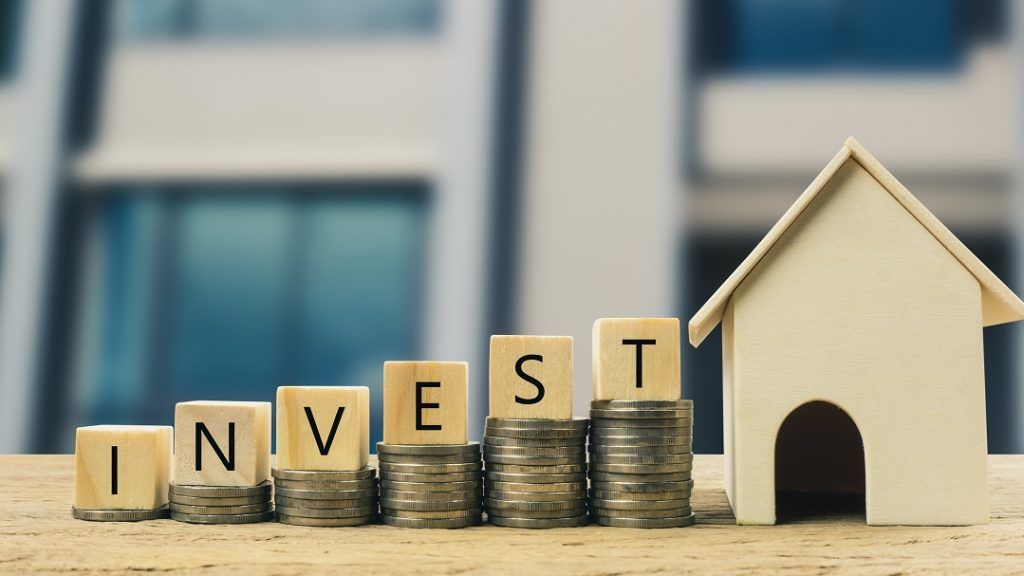
Investing in bonds with limited funds can be a smart way to build wealth steadily over time, but it requires careful planning and awareness of potential challenges. Implementing best practices helps maximize returns and minimizes risks, especially when starting small. This section provides essential tips for small-scale bond investors, highlights common mistakes to avoid, and shares effective strategies for monitoring and reinvesting to sustain growth.Understanding these practical aspects can significantly enhance your investment journey, ensuring smarter decisions and more resilient portfolios.
Best Practices for Investing in Bonds with Limited Funds
When working with limited capital, adopting strategic practices can improve your chances of successful bond investment. The following guidelines serve as a foundation for effective small-scale bond investing:
- Start with diversified bond funds or ETFs to spread risk across multiple issuers and sectors, reducing the impact of any single default or market fluctuation.
- Set clear, realistic investment goals based on your income, savings, and time horizon, which helps in selecting suitable bond types and maturities.
- Allocate a fixed amount regularly, such as monthly or quarterly, to implement dollar-cost averaging. This approach smooths out purchase prices over time and reduces the impact of market volatility.
- Prioritize bonds with a credit rating that aligns with your risk tolerance, favoring investment-grade bonds for stability and safety.
- Utilize online platforms and robo-advisors designed for small investors, which often provide low minimum investments and automated management features.
Common Mistakes to Avoid When Starting with Small Investments
New investors often encounter pitfalls that can hinder their progress or expose them to unnecessary risks. Recognizing and avoiding these mistakes is crucial:
- Overlooking bond ratings and default risk, which can lead to investing in low-quality bonds that may default, especially detrimental when funds are limited.
- Ignoring the importance of diversification, resulting in portfolios overly concentrated in one issuer or sector, amplifying potential losses.
- Neglecting to monitor bond prices and interest rate changes, which can affect bond values and yields over time.
- Failing to understand the terms and maturities of bonds, leading to cash flow mismatches or premature liquidation that incurs losses.
- Investing without a clear plan or exit strategy, risking emotional decision-making during market fluctuations.
Methods to Monitor and Manage Bond Investments Effectively
Active management and regular oversight are vital, even with small investments. Implementing these techniques ensures your portfolio remains aligned with your financial goals:
- Utilize online dashboards, alerts, and notifications from your brokerage platform to track bond prices, interest rate movements, and credit ratings.
- Review your bond holdings periodically—at least quarterly—to assess performance and re-evaluate the suitability of your investments relative to market conditions.
- Stay informed about macroeconomic trends, such as interest rate changes and inflation rates, which influence bond yields and prices.
- Adjust your portfolio by reallocating funds from maturing bonds or those with declining creditworthiness to more stable and promising options.
- Consider setting stop-loss or target sell prices for bonds, especially if your platform allows, to protect gains or limit losses during volatile periods.
Techniques for Reinvesting Returns to Grow Investments Over Time
Reinvestment is a powerful tool to compound growth in small-scale bond investing. The following methods can help maximize the benefits:
- Automatic Reinvestment of Coupon Payments: Choose bond and bond fund options that offer automatic reinvestment of interest payments, allowing your earnings to generate more income over time.
- Rebalancing Your Portfolio: Regularly review and reallocate your investments to maintain your desired asset allocation, reinvesting proceeds into new bonds or funds that align with your evolving financial goals.
- Utilizing DRIP (Dividend Reinvestment Plans): When investing through bond funds or ETFs, enroll in reinvestment plans to automatically purchase additional shares or units with dividends earned.
- Incremental Investment Strategy: Consistently add small amounts to your bond holdings, taking advantage of market dips and building your bond portfolio gradually.
- Timing Maturity and Reinvestment: Plan to reinvest proceeds from matured bonds into new issues with better yields or terms, taking advantage of changing interest rates or market conditions.
By adhering to these practical tips, avoiding common pitfalls, and actively managing your bond investments, you can effectively grow your small investment over time, creating a stable foundation for your financial future.
Final Summary

In summary, investing in bonds with limited funds is highly achievable with the right knowledge and approach. Whether through direct bond purchases, bond funds, or online platforms, small investors can steadily grow their investments while managing risks effectively. Starting today can set the foundation for long-term financial stability and success.