Learning how to invest in index funds without an advisor empowers individual investors to take control of their financial future with confidence and simplicity. This approach offers a cost-effective and diversified way to build wealth over time, making it an attractive option for those seeking independence in their investment journey.
By understanding the fundamentals of index funds, setting clear investment goals, and carefully selecting suitable funds, investors can effectively manage their portfolios independently. With the right knowledge and tools, investing in index funds without professional assistance becomes a manageable and rewarding experience.
Understanding Index Funds and Their Benefits
Investing in index funds has become a popular strategy for individuals seeking a straightforward and cost-effective way to grow their wealth. Unlike actively managed funds, index funds offer a passive investment approach that tracks the performance of a specific market index. This section explores the fundamental concepts of index funds, their advantages, and how they compare to other investment options, especially when investing without the guidance of an advisor.
Index funds are mutual funds or exchange-traded funds (ETFs) designed to replicate the performance of a particular market index, such as the S&P 500, Dow Jones Industrial Average, or NASDAQ Composite. The primary goal of an index fund is to mirror the composition of the chosen index, providing investors with diversified exposure to a broad section of the market without the need for active selection of individual stocks or bonds.
Features of Index Funds Compared to Other Investment Options
Understanding the key differences between index funds and other investment strategies helps investors make informed decisions, especially when managing investments independently. The following table highlights the core features of index funds versus actively managed funds, ETFs, and individual stocks:
| Feature | Index Funds | Actively Managed Funds | ETFs | Individual Stocks |
|---|---|---|---|---|
| Management Style | Passive (tracks a market index) | Active (fund managers select stocks) | Passive or active, traded like stocks | Individual company shares |
| Cost | Generally lower due to passive management | Higher because of active management fees | Typically low, similar to index funds | No management fees, but trading costs apply |
| Diversification | High, as they track entire indices | Varies, depends on fund strategy | High, similar to index funds | Limited, unless diversified across multiple stocks |
| Performance | Tracks the index closely | May outperform or underperform the market | Tracks index or managed strategy | Depends on individual stock performance |
| Transparency | High, holdings are clear and follow the index | Variable, actively managed | High, especially for passive ETFs | High, based on public company data |
Investing in index funds without an advisor offers several benefits. The primary advantage is cost savings, as passive funds typically have lower expense ratios compared to actively managed funds. This cost efficiency can significantly impact long-term returns, especially when compounded over decades.
Another benefit is diversification, which reduces the risk associated with individual stocks. By investing in an index fund that covers hundreds or thousands of stocks, investors gain exposure to multiple sectors and industries, minimizing the impact of poor performance in any single asset.
Furthermore, index funds often outperform actively managed funds over the long term due to their lower fees and the difficulty active managers face in consistently beating the market after accounting for costs. This makes them an attractive choice for investors seeking reliable, hands-off growth without the need for professional guidance.
Setting Investment Goals for Index Funds
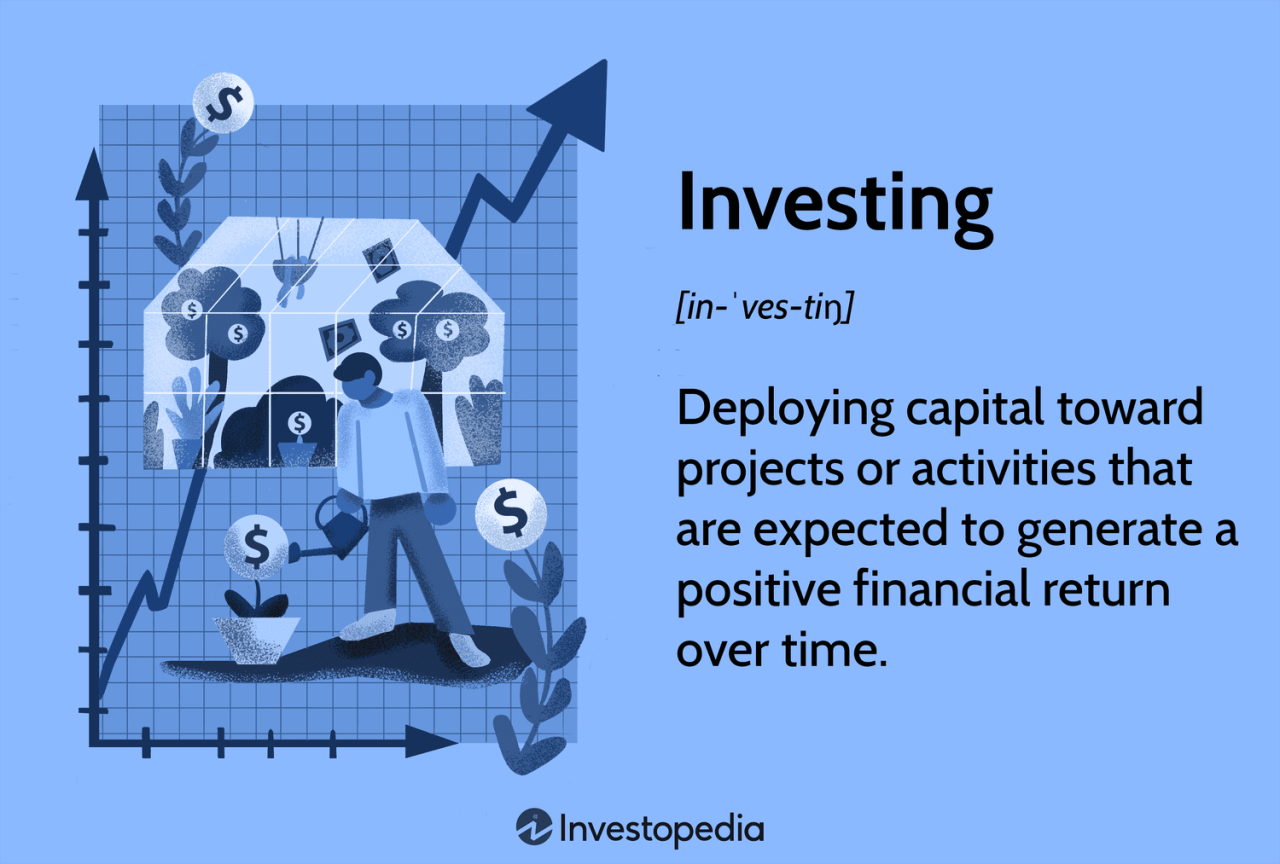
Establishing clear and well-defined investment goals is a fundamental step before diving into index fund investments independently. These goals serve as a roadmap, guiding your decisions and helping you stay focused amid market fluctuations. By aligning your financial aspirations with your investment strategy, you can create a disciplined approach that enhances your chances of achieving long-term success.
Effectively setting investment goals involves assessing your personal financial situation, understanding your future needs, and determining how index funds can support those objectives. This process requires thoughtful consideration of various factors, including your current income, savings, expected expenses, and life plans. Without clear goals, it can be challenging to decide how much to invest, which index funds to choose, or how to manage risk over time.
Defining Personal Financial Goals Aligned with Index Fund Investments
Aligning your investments with your personal financial goals ensures that your index fund strategy is purposeful and targeted. The first step involves identifying specific objectives, such as saving for retirement, purchasing a home, funding education, or building an emergency fund. Each goal has a different time horizon and risk profile, which influences the selection of appropriate index funds and investment strategies.
To effectively link your goals with index investing, consider the following steps:
- Quantify your financial targets by estimating the amount of money needed for each goal.
- Determine the timeline for achieving each goal, whether short-term (less than 3 years), medium-term (3-10 years), or long-term (over 10 years).
- Assess the capital you currently have and identify how much more needs to be saved or invested to reach each goal.
- Prioritize your goals based on urgency, importance, and available resources.
“Clear goals provide clarity and focus, making it easier to select suitable index funds and define your investment strategy.”
Step-by-Step Process to Determine Risk Tolerance and Investment Horizon
Understanding your risk tolerance and investing timeline is essential to selecting the right index funds and developing a sustainable investment plan. These factors influence how much volatility you can withstand and how long you should remain invested to meet your goals.
The process involves a combination of self-assessment, analysis, and reflection:
- Evaluate your emotional comfort with market fluctuations. Consider past experiences with investing or observing market swings and determine your reaction to losing portions of your investment.
- Assess your financial capacity to absorb losses without compromising your essential needs. This includes reviewing your emergency fund, income stability, and overall financial health.
- Determine your investment horizon by estimating when you will need the funds. Longer horizons generally permit higher risk-taking, as markets tend to recover over time, while shorter horizons necessitate more conservative approaches.
- Utilize risk assessment tools or questionnaires available online to quantify your risk appetite, which can complement your subjective evaluation.
- Align your risk tolerance with your goals, ensuring that your investment strategy reflects your comfort level and timeline. For example, a young investor saving for retirement decades away might opt for more aggressive index funds, whereas someone nearing retirement might prefer more stable, bond-focused options.
By systematically analyzing these aspects, you can create an investment plan that balances potential growth with acceptable risk levels, tailored specifically to your personal circumstances and aspirations.
Checklist for Assessing Readiness to Invest Independently in Index Funds
Before embarking on independent index fund investing, it is vital to ensure that you are adequately prepared. The following checklist serves as a practical guide to evaluate your readiness and confidence in managing your investments without professional guidance:
- You have a clearly defined set of financial goals with estimated amounts and timelines.
- You have established a sufficient emergency fund, typically covering 3-6 months of living expenses.
- You understand the basic principles of index fund investing, including diversification, expense ratios, and tracking indices.
- You are comfortable with your risk tolerance and have a plan to manage market volatility.
- You have researched and selected suitable index funds aligning with your investment goals and risk profile.
- You are familiar with the process of setting up and managing investment accounts online or through brokerage platforms.
- You are aware of the costs involved, such as brokerage fees, fund expense ratios, and tax considerations.
- You have a regular savings plan in place, with automatic contributions if possible, to maintain disciplined investing.
- You understand how to monitor your investments, rebalance portfolios, and adjust your strategy as your financial situation or goals evolve.
- You possess the discipline to avoid impulsive decisions during market fluctuations and to adhere to your long-term plan.
Ensuring readiness empowers you to take control of your financial future confidently and effectively, reducing the likelihood of costly mistakes.
Researching and Choosing the Right Index Funds
Identifying the most suitable index funds is a critical step in building a successful investment portfolio without professional guidance. It involves assessing various factors to ensure the funds align with your investment goals, risk tolerance, and preferences for cost efficiency.
Careful evaluation of index funds requires examining key parameters such as expense ratios, tracking error, and fund size. These indicators help investors determine the reliability, cost-effectiveness, and stability of the funds, ultimately influencing long-term performance and returns.
Evaluating Index Funds Based on Expense Ratios, Tracking Error, and Fund Size
Understanding and analyzing these metrics can significantly enhance your ability to select high-quality index funds that meet your investment criteria:
- Expense Ratios: The annual fee charged by the fund company, expressed as a percentage of assets under management. Lower expense ratios reduce the overall cost of investment, thereby increasing net returns. For example, a fund with a 0.05% expense ratio is generally more cost-efficient than one with a 0.20% fee.
- Tracking Error: The deviation between the fund’s performance and that of its benchmark index. A smaller tracking error indicates that the fund closely mimics the index, ensuring the portfolio’s performance aligns with expectations. Consistently low tracking errors are preferred for passive indexing.
- Fund Size: The total assets under management (AUM). Larger funds tend to offer greater liquidity and stability, reducing the risk of closure or significant deviation from the index. However, extremely large funds might face challenges in tracking the index efficiently if they become overly unwieldy.
Guidelines for Selecting Index Funds for Different Investment Objectives
The choice of index funds should be tailored to specific investment goals, whether growth, income, or capital preservation. The following guidelines can assist in aligning fund selection with your objectives:
- For Long-Term Growth: Focus on broad-market equity index funds such as the S&P 500 or total stock market indices. These funds provide exposure to a wide array of companies and tend to appreciate over extended periods.
- For Income Generation: Consider dividend-focused index funds or bond index funds. These can offer regular income streams, suitable for retirees or those seeking stability.
- For Capital Preservation: Opt for short-term bond index funds or money market funds, which aim to minimize risk while providing modest returns.
Comparison of Top Index Funds
Below is a table that compares several leading index funds based on key parameters such as fee structure, tracked index, and historical performance. This comparison helps investors identify options that best fit their financial goals and risk profiles:
| Fund Name | Expense Ratio | Tracked Index | Fund Size (AUM) | Historical 5-Year Return |
|---|---|---|---|---|
| Vanguard S&P 500 ETF (VOO) | 0.03% | S&P 500 | $300 billion | around 10.5% |
| Schwab Total Stock Market ETF (SCHB) | 0.03% | Total Stock Market | $20 billion | around 10.2% |
| iShares Core U.S. Aggregate Bond ETF (AGG) | 0.04% | Bloomberg U.S. Aggregate Bond | $80 billion | around 3.5% |
| Vanguard Dividend Appreciation ETF (VIG) | 0.06% | NASDAQ US Dividend Achievers | $50 billion | around 9.2% |
Opening an Investment Account Without an Advisor
Investing in index funds independently requires selecting the right online brokerage or investment platform that aligns with your financial goals and preferences. Choosing a suitable platform is a critical step to ensure a smooth and cost-effective investing experience. By understanding the process of opening and verifying an account, you can confidently start your investment journey without the need for an advisor.
Additionally, identifying the key features of a platform can help you make an informed decision and maximize your investing potential.Investing through an online brokerage or platform provides the flexibility and resources necessary for self-directed investors. These platforms serve as the gateway to buying, selling, and managing index funds efficiently. They often differ in fee structures, user experience, educational resources, and available tools, making it important to evaluate each option carefully before opening an account.
Choosing an Online Brokerage or Platform for Index Fund Investing
Selecting the right platform involves assessing several essential factors to ensure it meets your specific needs as a self-directed investor. When evaluating options, consider the following:
- Fees and Expenses: Look for platforms with low or no account minimums, minimal trading fees, and no hidden costs. Many brokers now offer commission-free trades for index funds, which is advantageous for cost-conscious investors.
- User Interface and Accessibility: An intuitive and user-friendly interface simplifies the account management process. Platforms that are easy to navigate reduce errors and enhance the overall investing experience.
- Range of Investment Options: Ensure the platform offers a wide selection of index funds, including broad-market options like total stock market funds or S&P 500 funds, to diversify your portfolio effectively.
- Educational Resources and Tools: Platforms that provide educational materials, tutorials, and research tools empower you to make informed decisions and improve your investing knowledge.
- Customer Support and Security: Reliable customer service and robust security measures protect your investments and personal information, fostering confidence in your platform choice.
Steps to Open and Verify an Investment Account Independently
Establishing an account with an online brokerage involves several straightforward steps designed to verify your identity and set up your profile securely. Follow these steps to open your account efficiently:
- Research and Select a Platform: Use the criteria Artikeld above to choose a platform that best suits your investment needs and preferences.
- Complete the Online Application: Fill out the registration form by providing personal information such as your name, date of birth, address, Social Security number or equivalent, employment details, and financial background.
- Agree to Terms and Conditions: Review and accept the platform’s terms of service, privacy policy, and any required disclosures.
- Verify Your Identity: Submit necessary documentation, which may include a government-issued ID, proof of address (such as a utility bill), and sometimes employment information. Many platforms now facilitate digital verification through secure document uploads or identity verification services.
- Fund Your Account: Link your bank account to transfer initial funding. This process typically involves providing bank routing and account numbers, and may require verification of small test deposits.
- Review and Confirm: Double-check all entered information for accuracy before submitting your application for approval.
- Platform Approval and Access: Once verified, you will receive login credentials, and your account will be ready for trading and managing your index funds.
Features to Look for in an Investment Platform
Choosing a platform with the right features can greatly enhance your investing experience. Key features to consider include:
- Transparent Fees and Low Cost Structure: Clear disclosure of all fees helps you understand your costs and plan your investments accordingly.
- Intuitive User Interface: Easy navigation and streamlined design reduce the learning curve and minimize errors in transactions.
- Educational Content and Resources: Access to articles, tutorials, webinars, and research tools can deepen your understanding of index fund investing and market trends.
- Automated Investment Options: Features such as automatic contributions, dividend reinvestment plans (DRIPs), and rebalancing tools facilitate disciplined investing and portfolio maintenance.
- Robust Security Measures: Encryption, two-factor authentication, and secure login protocols protect your personal information and assets.
- Customer Support Availability: Responsive support via chat, phone, or email ensures assistance is readily available when needed.
Making Your First Investment in Index Funds
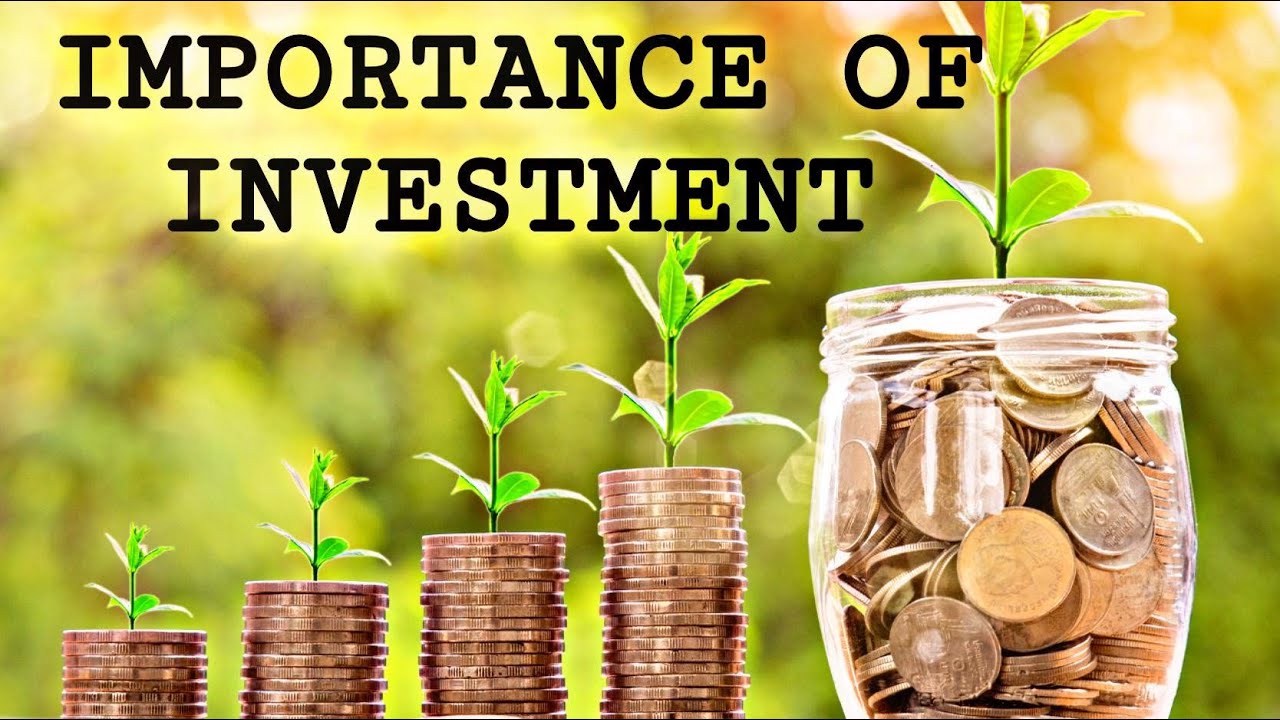
Starting your investment journey with index funds is a significant milestone that can set the foundation for long-term financial growth. After selecting suitable funds and opening an investment account independently, the next step involves funding your account and executing your initial purchase. Properly managing this process ensures that your investments are aligned with your financial goals and risk tolerance.Funding your account and executing your first purchase involves a few essential steps.
First, ensure that your bank account is linked to your investment platform. This linkage allows for secure and seamless transfers of funds. Depending on your chosen platform, you can transfer a lump sum or set up recurring contributions. Once the funds are available in your investment account, you can proceed to buy shares of the index fund(s).When making your first purchase, it is advisable to consider dollar-cost averaging (DCA), a strategy that involves investing a fixed amount of money at regular intervals regardless of market fluctuations.
This approach reduces the impact of market volatility and helps avoid the risk of investing a large sum just before a downturn. Timing your investments to coincide with market dips can also be beneficial, but it requires careful market analysis and often involves a significant degree of timing risk. Consistent, scheduled investments tend to be more effective over the long term, especially for new investors.Using your investment platform’s tools effectively can make the process straightforward and manageable.
Most platforms provide user-friendly interfaces for buying, selling, and monitoring your index fund holdings. You can typically execute a purchase by selecting your desired fund, entering the amount, and confirming the transaction. Many platforms also offer features such as automatic reinvestment of dividends, setting up recurring investments, and tracking your portfolio’s performance.Below is a sample HTML table demonstrating how to organize and keep track of your index fund transactions for clarity and record-keeping purposes:
| Date | Fund Name | Amount Invested | Shares Purchased | Transaction Status |
|---|---|---|---|---|
| 2024-04-15 | S&P 500 Index Fund | $500 | 10.25 | Completed |
| 2024-05-15 | Total Stock Market ETF | $300 | 6.75 | Pending |
Making your first investment in index funds is straightforward once you understand the procedures involved.
By funding your account diligently, practicing dollar-cost averaging, and leveraging platform tools for management, you can confidently build a diversified, cost-effective investment portfolio aligned with your financial aspirations.
Managing and Rebalancing Your Index Fund Portfolio

Effective management and periodic rebalancing of your index fund portfolio are essential to maintaining your desired investment allocation and ensuring your financial goals remain on track. Even without the assistance of an advisor, investors can actively monitor their investments and make informed adjustments to optimize returns and manage risk.
Consistent oversight and strategic rebalancing help to prevent unintended shifts in your asset allocation caused by market fluctuations. This proactive approach ensures that your portfolio continues to align with your long-term objectives, risk tolerance, and investment horizon.
Monitoring Your Investments Independently
Keeping track of your index fund investments without an advisor involves utilizing a range of tools and practices designed to provide real-time insights and comprehensive performance data. Regular monitoring enables you to detect deviations from your target allocation and respond promptly.
Key methods include:
- Using online investment platforms’ dashboards to view portfolio performance and allocation details.
- Setting up account alerts for significant changes in fund values, such as price drops or gains exceeding a certain percentage.
- Reviewing monthly or quarterly statements to assess overall progress and identify trends.
- Employing personal finance apps or spreadsheets to track contributions, distributions, and asset allocation over time.
Procedures for Rebalancing and Adjusting Contributions
Rebalancing involves realigning your portfolio to the original or updated target allocations, ensuring that risk levels remain consistent with your investment plan. It can be performed periodically (e.g., annually) or triggered by specific thresholds (e.g., a 5% deviation).
Steps for effective rebalancing include:
- Review your current asset allocation against your target allocation.
- Identify which funds or asset classes have grown disproportionately or declined relative to your plan.
- Determine the amount of buy or sell transactions needed to restore balance, considering tax implications and transaction costs.
- Execute trades through your investment platform, adhering to your rebalancing schedule or thresholds.
- Adjust your future contribution strategy to prevent significant drift, focusing on increasing contributions to underweighted funds or reallocating new investments accordingly.
Over time, contributions can be fine-tuned to reinforce your desired asset mix, especially after rebalancing. Regularly reviewing your financial goals and market conditions allows you to modify contribution amounts or investment choices as needed.
Automation Options for Portfolio Management
Automation enhances your ability to manage your index fund investments efficiently and with minimal manual intervention. Here are several options to streamline the process:
- Recurring Contributions: Set up automatic deposits from your bank account at regular intervals (monthly, quarterly, or annually). This ensures consistent investment and reduces the temptation to time the market.
- Reinvestment of Dividends: Enable automatic reinvestment of dividends and capital gains to compound growth over time.
- Portfolio Rebalancing Alerts: Configure your investment platform to notify you when your portfolio deviates beyond preset thresholds, prompting manual rebalancing or automatic adjustments.
- Automatic Rebalancing: Some platforms offer features to automatically adjust your holdings to maintain your target allocation either periodically or as needed, simplifying ongoing management.
- Performance and Alert Notifications: Set up alerts for significant changes in fund performance, market events, or when contributions are successful, keeping you informed without constant oversight.
Leveraging these automation tools allows you to maintain a disciplined investment routine, minimize emotional decision-making, and keep your portfolio aligned with your long-term objectives.
Understanding Costs, Fees, and Tax Implications
Investing in index funds without an advisor requires a clear understanding of the associated costs, fees, and the tax implications that can influence your overall investment returns. Being informed about these aspects enables you to optimize your investment strategy, minimize unnecessary expenses, and enhance your portfolio’s efficiency over time.
While index funds are generally known for their low-cost structure compared to actively managed funds, several fees and tax considerations can still impact your net gains. Recognizing and managing these elements is essential for building a cost-effective and tax-efficient investment portfolio.
Typical Fees Associated with Index Funds and Online Platforms
Fees are an integral part of investing, and understanding their structure helps you evaluate the overall affordability of different investment options. The main types of fees include expense ratios, transaction fees, and platform charges, each affecting your investment returns differently.
- Expense Ratios: This is an annual fee expressed as a percentage of your investment in a fund, covering fund management, administrative costs, and other operational expenses. Index funds typically have expense ratios between 0.03% and 0.20%, significantly lower than actively managed funds.
- Platform or Brokerage Fees: Many online platforms charge commissions per trade, account maintenance fees, or inactivity fees. However, most reputable platforms now offer commission-free trading for index funds and ETFs, reducing overall costs.
- Transaction Fees: When purchasing or selling funds, some platforms impose transaction fees, although these have become less common in recent years, especially with the rise of zero-commission brokers.
- Additional Fees: Some platforms may charge for account services, advanced research tools, or premium features, which are optional but can add to your costs.
Tax-Efficient Investing Strategies for Index Fund Holdings
Tax implications significantly influence your net investment returns. Employing tax-efficient strategies can help you retain more of your gains and defer tax liabilities, optimizing your overall investment performance.
Key strategies include:
- Tax-Advantaged Accounts: Utilizing accounts such as IRAs, Roth IRAs, or 401(k)s allows your investments to grow tax-free or tax-deferred, reducing immediate tax liabilities.
- Tax-Loss Harvesting: Selling losing investments to offset gains elsewhere in your portfolio can lower your capital gains tax obligations. This technique requires careful planning and record-keeping.
- Holding Tax-Efficient Funds: Index funds with low turnover rates generate fewer taxable events, such as capital gains distributions, making them more suitable for taxable accounts.
- Timing of Distributions: Being aware of when funds distribute dividends or capital gains enables you to plan withdrawals strategically, minimizing tax impact.
“Tax-efficient investing leverages the structure of your portfolio and account types to maximize after-tax returns, which is crucial for long-term wealth accumulation.”
Comparison Table of Cost Differences Across Platforms and Fund Types
Investors should compare the costs associated with various platforms and fund types to identify the most economical options that align with their investment goals. The following table illustrates typical cost differences to consider:
| Platform/Fund Type | Expense Ratio | Transaction Fees | Additional Platform Fees | Notes |
|---|---|---|---|---|
| Fidelity Zero Index Funds | 0.00% (zero expense ratio) | None for fund trades | None | Ideal for cost-conscious investors seeking broad market exposure |
| Vanguard Index Funds | 0.04% – 0.14% | Typically no transaction fees on Vanguard platform | May apply for trades through other brokers | Reputable for low-cost index fund options |
| Charles Schwab Index Funds | 0.03% – 0.15% | Zero commissions on Schwab platform | Optional account maintenance fees | Offers a wide selection with competitive costs |
| Robinhood, Webull (ETFs tracking indexes) | Varies by ETF, typically 0.03% – 0.15% | Zero commission trading | Potential account fees depending on services | Suitable for investors seeking zero-cost trades |
Avoiding Common Mistakes When Investing in Index Funds Independently

Investing in index funds without professional guidance can be rewarding but also prone to pitfalls that may hinder your financial growth. Recognizing and avoiding these common mistakes is essential to build a resilient and effective investment portfolio. By adopting best practices, you can enhance your long-term success and minimize unnecessary risks.Proper investing requires discipline, patience, and strategic decision-making. Many new investors fall into traps such as overtrading, emotional reactions, or inadequate diversification, which can significantly impact overall returns.
Understanding these pitfalls and implementing specific strategies to prevent them will help you stay on course toward your financial goals.
Avoiding Overtrading and Emotional Investing
One of the most prevalent mistakes among independent investors is overtrading driven by market volatility or emotional responses. Reacting impulsively to short-term market fluctuations often leads to buying high and selling low, eroding potential gains and increasing transaction costs.To mitigate this, establish a well-defined investment plan that aligns with your long-term goals and stick to it. Avoid checking your portfolio excessively, and resist the temptation to make frequent trades based on fleeting market news.
Automating contributions and setting predetermined investment intervals can also reduce emotional biases and promote consistent investing behavior.
Prioritizing Diversification and a Long-Term Perspective
Achieving adequate diversification is fundamental to reducing risk. Relying on a limited number of index funds or concentrating investments in specific sectors can expose your portfolio to sector-specific downturns.Investors should diversify across various asset classes, sectors, and geographic regions by selecting a broad spectrum of index funds. This approach helps smooth out volatility and improves the stability of returns over time.
Maintaining a long-term perspective is equally vital; markets will fluctuate, but a focus on sustained growth, rather than short-term gains, typically yields better results.
Recognizing and Mitigating Typical Pitfalls
Understanding common pitfalls can help you develop strategies to avoid them:
- Neglecting Cost and Expense Analysis: High fees can significantly diminish net returns. Regularly review expense ratios and seek low-cost index funds to maximize growth.
- Timing the Market: Attempting to predict market movements often leads to missed opportunities. Consistent, automated investing at regular intervals reduces the impact of market timing errors.
- Ignoring Rebalancing: Over time, certain assets may outperform others, skewing your desired asset allocation. Periodic rebalancing maintains your intended risk profile and investment strategy.
- Overlooking Tax Implications: Failing to consider tax-efficient investing can reduce net gains. Use tax-advantaged accounts and employ strategies such as tax-loss harvesting where appropriate.
“Discipline and a focus on fundamentals are key to successful independent index fund investing. Avoid emotional decisions, stay diversified, and adhere to long-term plans to achieve your financial objectives.”
Concluding Remarks
In conclusion, investing in index funds without an advisor is a practical and strategic choice for those aiming to grow their wealth independently. By following a well-informed process—from research and account setup to ongoing management—investors can achieve their financial objectives while minimizing costs. Embracing self-directed investing allows for greater flexibility and control over your financial destiny.