Discover the exciting potential of how to invest in rental properties with Airbnb as a lucrative strategy that blends traditional real estate with modern short-term rentals. This approach offers unique advantages, such as higher income potential and flexible occupancy, but also requires careful planning and understanding of the associated risks. Whether you’re a seasoned investor or a beginner, mastering the essentials of location selection, legal compliance, and property management can significantly enhance your success in this dynamic market.
This guide will walk you through identifying suitable locations, understanding legal requirements, financial planning, property preparation, effective listing creation, and operational management—all tailored to maximize your rental income and guest satisfaction while navigating potential challenges.
Overview of Investing in Rental Properties with Airbnb

Investing in rental properties through platforms like Airbnb offers a compelling blend of traditional real estate investment and the flexibility of short-term hosting. This combination allows property owners to capitalize on the growing demand for unique travel accommodations while diversifying their income streams. Understanding the fundamentals of this hybrid strategy can help investors make informed decisions and optimize their returns.
By leveraging the advantages of Airbnb hosting alongside conventional rental approaches, investors can tap into lucrative markets, especially in high-traffic or tourist-heavy locations. However, this strategy also involves specific risks, such as fluctuating occupancy rates, regulatory hurdles, and management complexity. An organized comparison between long-term rentals and Airbnb investments provides clarity on their respective benefits and limitations, assisting investors in choosing the most suitable approach for their goals and circumstances.
Combining Traditional Rental Investment with Airbnb Hosting
This approach involves purchasing or owning a property and offering it as a short-term rental on Airbnb while potentially maintaining a portion or all of the property for long-term tenants. It allows investors to maximize income by adjusting rental strategies based on market demand, seasonality, and local regulations. For example, a property in a popular vacation destination might generate higher short-term income during peak seasons, whereas long-term rentals provide stable cash flow during off-peak periods.
This dual strategy enhances flexibility and can optimize overall profitability.
Advantages of Short-term Rental Strategies
Short-term rentals via Airbnb provide several notable benefits, making them attractive for many real estate investors:
- Higher Revenue Potential: Short-term rentals often command higher nightly rates compared to traditional monthly rentals, especially in desirable locations.
- Flexibility in Usage: Owners can choose to rent the property seasonally, intermittently, or even use it personally when not rented.
- Market Responsiveness: The ability to adjust pricing dynamically using Airbnb’s platform algorithms allows for maximizing income based on demand fluctuations.
- Additional Services and Upselling: Offering amenities such as guided tours, transportation, or local experiences can generate extra income and enhance guest satisfaction.
Potential Risks of Short-term Rental Strategies
Despite the advantages, short-term rental investments carry inherent risks that necessitate careful planning and management:
- Regulatory Challenges: Many jurisdictions impose restrictions, licensing requirements, or outright bans on short-term rentals, which can impact profitability and legality.
- Market Volatility: Fluctuations in demand due to seasonality, economic conditions, or global events (such as pandemics) can impact occupancy rates and income.
- Management Complexity: Frequent turnovers, cleaning, maintenance, and guest communication increase operational responsibilities and costs.
- Income Variability: Reliance on short-term bookings can lead to inconsistent cash flows, requiring careful financial planning.
Comparison of Long-term Rentals vs. Airbnb Investments
Understanding the distinctions between traditional long-term rentals and Airbnb-based short-term rentals helps investors align their strategies with their objectives and risk tolerance.
| Feature | Long-term Rentals | Airbnb Short-term Rentals |
|---|---|---|
| Income Stability | High, predictable monthly income due to lease agreements. | Variable, dependent on occupancy rates, seasonality, and demand. |
| Management Effort | Lower; mainly periodic rent collection and maintenance. | Higher; frequent guest turnovers, cleaning, and communication required. |
| Regulatory Environment | Generally well-established with fewer restrictions. | Subject to dynamic regulations, licensing, and zoning laws. |
| Revenue Potential | Limited to fixed monthly rent, typically lower per night. | Higher per night, with potential for increased seasonal revenue. |
| Flexibility | Limited; property is leased for long-term periods. | High; can adjust availability based on personal or market needs. |
| Initial Investment & Setup | Relatively simple; focus on property quality and tenant screening. | More complex; requires furnishing, marketing, and ongoing guest management. |
In summary, choosing between long-term rentals and Airbnb investments depends on individual goals, risk appetite, management capacity, and local market conditions. Combining both methods can also provide a balanced approach, leveraging the stability of traditional rentals with the higher income potential of short-term hosting.
Analyzing Suitable Locations for Airbnb Rental Properties
Choosing the right location is a critical factor in the success of an Airbnb rental property. The profitability of short-term rentals heavily depends on the demand generated by travelers and local market conditions. A comprehensive analysis of potential areas can significantly enhance the likelihood of consistent occupancy and favorable returns.
Effective location analysis involves evaluating tourism trends, understanding local regulations, and assessing the competitive landscape. By systematically examining these factors, investors can identify regions where short-term rentals are both legally permitted and financially viable, ensuring sustainable growth and profitability.
Criteria for Selecting Profitable Locations
When determining suitable locations for Airbnb properties, several key criteria should be considered to maximize profitability:
- Tourism Rates: Regions with high tourist influx typically offer greater occupancy rates and rental income. Consider areas with year-round or seasonal tourism peaks, such as beach towns, mountain resorts, or vibrant city centers.
- Local Regulations and Zoning Laws: It is essential to verify whether short-term rentals are permitted in the area. Some cities have restrictions or licensing requirements that can impact operational feasibility.
- Accessibility and Transportation: Locations with good transportation links, including airports, train stations, and public transit, attract more visitors and facilitate easier access for guests.
- Safety and Security: Neighborhoods with low crime rates contribute to guest satisfaction and reduce potential liabilities.
- Affordability and Property Prices: Balancing property costs with expected rental income is crucial. Overpaying for properties in highly competitive areas can diminish profits.
Methods to Evaluate Neighborhood Demand, Tourist Influx, and Local Regulations
Accurately assessing the potential of a neighborhood involves a mixture of data analysis, local research, and trend monitoring. These methods help investors make informed decisions:
- Analyzing Tourism Data: Utilize government tourism statistics, industry reports, and online platforms like TripAdvisor, Airbnb’s own data, and regional tourism boards to gauge visitor numbers and seasonal patterns.
- Monitoring Local Regulations: Review city ordinances, zoning laws, and homeowners’ association rules that could restrict or permit short-term rentals. Contact local authorities or consult legal experts to clarify compliance requirements.
- Assessing Competition Levels: Study existing listings in the neighborhood, noting occupancy rates, pricing strategies, and guest reviews. High competition with low occupancy may indicate an oversaturated market, whereas sparse listings could signal opportunity.
- Evaluating Community Trends: Observe neighborhood developments, infrastructure improvements, and upcoming events that could influence demand.
- Utilizing Data Analytics Tools: Leverage platforms such as AirDNA, Mashvisor, or Rentometer to analyze rental performance metrics, occupancy rates, and income estimates across different regions.
Key Factors Table for Location Assessment
Below is a comparative table highlighting critical factors influencing the profitability of Airbnb investments across various regions. This table assists investors in quickly identifying areas with high potential and understanding regional differences.
| Region | Tourism Rates | Local Regulations | Competition Level | Average Property Price | Seasonality |
|---|---|---|---|---|---|
| Beach Towns (e.g., Miami, Bali) | High, seasonal peaks during summer and holidays | Variable; some cities restrict short-term rentals, require permits | High competition, but substantial demand offsets this | High property prices, but strong rental yields in peak seasons | Seasonal, peaks during holidays and summer months |
| Major Cities (e.g., New York, London) | Consistently high due to business and leisure travel | Strict regulations; licensing and restrictions often apply | High but manageable with proper compliance strategies | Expensive property markets, but higher nightly rates | Year-round demand, with slight variations during holidays |
| Mountain Resorts (e.g., Aspen, Swiss Alps) | High during winter ski season; moderate off-season demand | Regulations vary; some regions have restrictions on short-term rentals | Moderate competition; niche market for seasonal rentals | Higher in popular resorts, but seasonal fluctuations affect income | Highly seasonal, requiring strategic pricing and management |
| Emerging Tourist Destinations (e.g., certain cities in Southeast Asia) | Growing demand, with increasing tourist arrivals | Less regulated but subject to evolving laws; due diligence essential | Lower competition, presenting growth opportunities | More affordable property prices, favorable for investment | Variable, with potential for year-round demand as popularity rises |
Understanding Local Regulations and Legal Requirements
Operating an Airbnb rental involves more than just finding the right property and setting up a listing. A crucial aspect of successful hosting is ensuring compliance with local laws, permits, and zoning regulations. Navigating these legal frameworks not only safeguards your investment but also helps avoid costly fines and potential legal disputes. Being well-informed about the specific requirements in your target location is fundamental to establishing a sustainable and legally compliant Airbnb rental business.
Each city or municipality has its own set of rules governing short-term rentals, which can vary widely in scope and complexity. Some regions encourage or even promote tourists staying in privately owned accommodations, while others impose strict restrictions or outright bans. Understanding and adhering to these regulations is essential for maintaining your rental’s operation without interruptions and for building a reputable hosting practice that respects community standards.
Necessary Permits, Licensing, and Zoning Considerations for Airbnb Rentals
Securing the appropriate permits and licenses is a foundational step in legally operating an Airbnb property. Many localities require hosts to obtain a short-term rental license or business license, which often involves submitting documentation such as proof of property ownership or lease agreements, safety inspections, and compliance with health standards. In addition, zoning laws can restrict the use of specific properties for short-term rentals, especially in residential neighborhoods or designated zones where such activities are prohibited.
It is important to distinguish between different types of permits:
- Short-term rental license or registration: Typically issued by city or county authorities, confirming that the property complies with local rules for temporary stays.
- Business license: Some jurisdictions require hosts to register as a business, which may involve paying fees and adhering to tax regulations.
- Safety and health inspections: Ensuring the property meets fire safety standards, has proper smoke detectors, fire extinguishers, and adequate emergency exits.
Failure to obtain necessary permits can result in fines, eviction notices, or forced closure of the rental. Therefore, reviewing local ordinances early in the planning process is advisable to ensure compliance.
Procedures for Compliance with City Ordinances and Housing Laws
Adhering to city ordinances and housing laws requires a systematic approach that involves research, documentation, and ongoing communication with local authorities. The following procedures Artikel the key steps for ensuring legal compliance:
- Research local regulations: Consult municipal websites, zoning maps, and official publications to understand restrictions and requirements specific to your property location.
- Engage with local authorities: Schedule meetings or inquiries with city planning departments or licensing agencies to clarify documentation needed and registration procedures.
- Obtain necessary permits and licenses: Complete application forms, submit required documentation, and pay applicable fees to secure legal authorization to operate.
- Implement safety standards: Conduct safety inspections and make necessary upgrades to meet fire and building codes.
- Register your rental: Complete any required registration forms with local housing or zoning departments, and display permits visibly if required.
- Maintain compliance: Stay updated on evolving regulations, renew permits as required, and keep detailed records of all documentation and correspondence.
Maintaining ongoing communication with local authorities and keeping thorough records ensures continuous compliance and safeguards your investment from legal complications.
Legal Setup Checklist for Airbnb Rental Properties
Establishing a comprehensive legal foundation is vital for the smooth operation of your Airbnb property. The following step-by-step checklist guides you through the essential actions required to ensure legal compliance:
- Identify local regulations: Review city, county, and state laws pertaining to short-term rentals.
- Secure permits and licenses: Apply for all necessary documentation, including short-term rental permits and business licenses.
- Verify zoning compliance: Confirm that your property is located in an area that permits short-term rentals.
- Conduct safety inspections: Arrange for fire safety checks and ensure the property meets all health and safety standards.
- Register your property: Complete required registration procedures and display permits as needed.
- Set up tax collection: Register for local occupancy taxes or transient taxes if applicable, and set up systems for collection and remittance.
- Document everything: Keep copies of permits, inspection reports, registration forms, and correspondence with authorities.
- Stay informed: Regularly review updates to regulations to ensure ongoing compliance.
Financial Planning and Investment Strategies
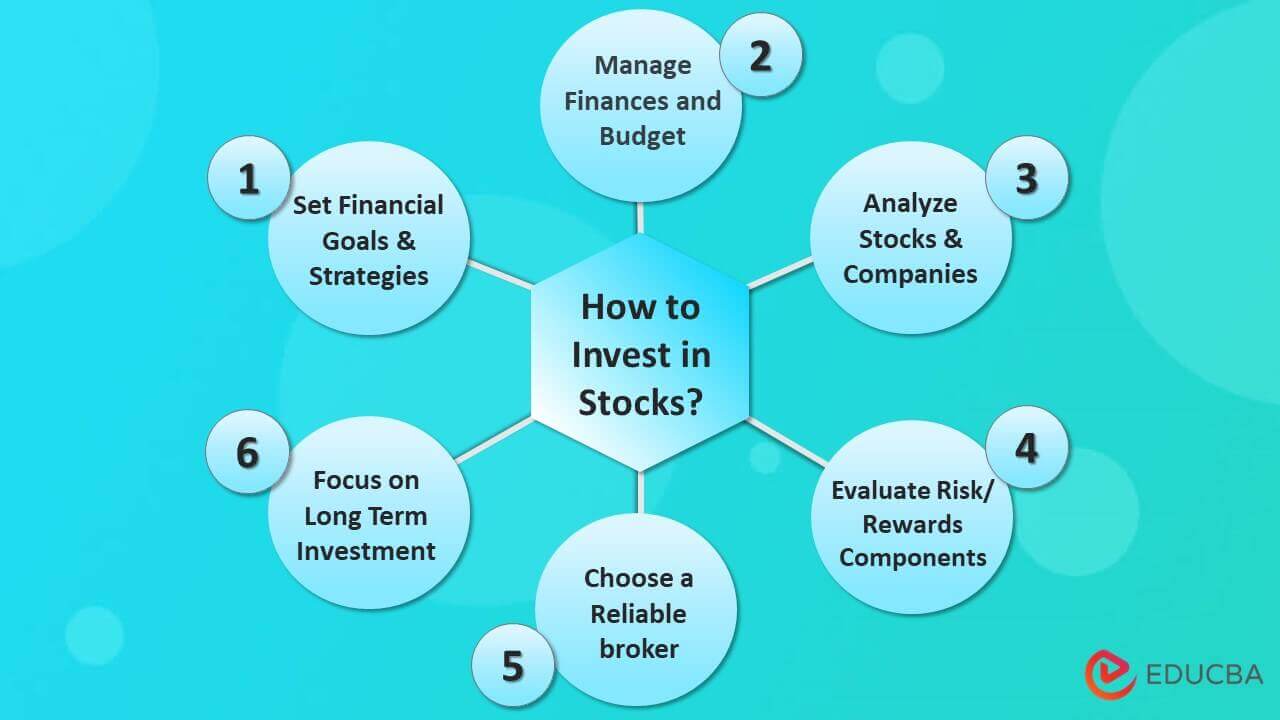
Effective financial planning is essential for maximizing the profitability of Airbnb rental properties. Understanding the initial investment, ongoing expenses, and income streams helps investors make informed decisions and develop sustainable strategies. By carefully analyzing financial metrics and employing strategic approaches, investors can optimize their rental income and ensure long-term success in the Airbnb market.
In this section, we explore the key components of financial planning, including assessing costs, estimating revenue, and utilizing performance metrics to monitor and enhance investment returns. A thorough financial strategy enables investors to navigate market fluctuations, comply with legal requirements, and achieve their investment objectives efficiently.
Initial Costs, Ongoing Expenses, and Revenue Streams
Investors should accurately identify all costs associated with acquiring and maintaining a rental property listed on Airbnb. Initial costs typically include property purchase price, closing costs, furnishing, and necessary renovations or upgrades to meet guest standards. Ongoing expenses encompass property management fees, cleaning services, utilities, maintenance, insurance, and local taxes. Recognizing these expenses ensures realistic budgeting and profit projection.
Revenue streams primarily derive from nightly rental income, which can fluctuate based on seasonality, location, and property appeal. Additional income may result from offering premium services such as guided tours, airport transfers, or paid amenities. Understanding these streams helps in creating comprehensive financial models and setting competitive pricing strategies.
Calculating Return on Investment, Cash Flow, and Profitability
Accurate calculation of financial performance metrics is crucial in assessing the viability of Airbnb investments. Return on Investment (ROI) measures the efficiency of the investment by comparing net profit to the total costs invested. Cash flow analysis considers inflows from rental income against outflows of expenses, providing insight into the liquidity and operational sustainability of the property.
Profitability indicators like net operating income (NOI) and capitalization rate (Cap Rate) help determine the property’s earning potential relative to its value. Investors often utilize these metrics to compare different properties, identify undervalued opportunities, and set realistic expectations for growth.
ROI Formula: (Net Profit / Total Investment) x 100
Cash Flow: Total Rental Income – Total Expenses
Key Financial Metrics to Monitor Regularly
Consistent monitoring of vital financial metrics ensures the investor maintains profitability and can promptly address potential issues. Regular review helps in adjusting strategies, optimizing pricing, and controlling costs. The following metrics are essential for effective financial management:
- Gross Rental Yield: Annual rental income divided by the property purchase price, expressed as a percentage, indicating the investment’s income-generating efficiency.
- Net Operating Income (NOI): Revenue minus operating expenses, excluding mortgage payments, providing a clear picture of operational profitability.
- Cash-on-Cash Return: Annual before-tax cash flow divided by the total cash invested, measuring the return relative to the actual cash invested.
- Occupancy Rate: Percentage of days the property is rented out, affecting overall revenue and stability.
- Average Daily Rate (ADR): Average income earned per occupied day, influencing revenue optimization strategies.
Property Acquisition and Preparation
Acquiring the right property and preparing it meticulously are fundamental steps in establishing a successful Airbnb rental. This phase involves identifying suitable properties that meet the demands of potential guests, negotiating favorable purchase terms, and transforming the space to maximize comfort, appeal, and profitability. Strategic acquisition and thoughtful preparation lay the groundwork for sustained occupancy rates and positive guest experiences.Choosing the right property requires a careful analysis of location, property type, and market demand.
The ideal properties are often located in popular or up-and-coming neighborhoods with high tourist influx, good accessibility, and proximity to local attractions. It is essential to evaluate the property’s condition, zoning regulations, and potential for renovation to ensure it aligns with both your investment goals and legal requirements.Once the property is acquired, upgrading and furnishing it strategically enhances its appeal and functionality.
Focus on creating a welcoming space that balances aesthetic charm with practical amenities. Select durable, stylish furnishings that stand up to frequent use while providing comfort and a sense of luxury. Incorporate modern appliances, efficient lighting, and smart home features where appropriate to improve guest convenience and satisfaction. Additionally, ensuring the space is clean, safe, and well-maintained encourages positive reviews and repeat bookings.
Sourcing Suitable Properties for Airbnb Hosting
Identifying properties suitable for Airbnb hosting involves a combination of market research, property inspections, and financial analysis. Start by analyzing local real estate markets through online listings, real estate agents, and market reports to pinpoint neighborhoods with high demand for short-term rentals. Properties in proximity to airports, business districts, tourist attractions, or universities tend to attract more guests. Engage with local real estate agents who have experience with short-term rental markets to gain insights into promising listings and negotiation strategies.It is crucial to conduct thorough property inspections to assess structural integrity, plumbing, electrical systems, and overall condition.
This helps determine renovation costs and potential issues that could affect guest safety or satisfaction. Additionally, review local zoning laws and homeowners’ association rules to confirm that short-term rentals are permitted, avoiding legal complications post-acquisition.Assessment of financial viability should include calculating expected rental income based on occupancy rates and nightly rates, deducting expenses such as mortgage payments, property taxes, insurance, maintenance, and management fees.
This comprehensive analysis enables informed decision-making and ensures the investment aligns with your financial objectives.
Upgrade and Furnishing Strategies to Maximize Appeal and Occupancy
Transforming a property into an attractive Airbnb listing involves strategic upgrades and furnishing choices that appeal to a broad spectrum of travelers. Prioritize improvements that enhance both aesthetics and functionality, such as modernizing kitchens and bathrooms, installing energy-efficient lighting, and enhancing natural light through window treatments.To maximize occupancy, focus on creating a cohesive design theme that evokes comfort and luxury.
Use neutral tones with pops of color and stylish decor to appeal to diverse tastes. Incorporate versatile furniture that maximizes space, such as fold-out sofas and multi-purpose tables, especially in smaller units.Investing in high-quality amenities significantly boosts guest satisfaction and reviews. These include fast Wi-Fi, smart TVs, quality bedding, ample storage, and well-equipped kitchenware. For added appeal, consider amenities like a washer and dryer, outdoor furniture for patios or balconies, and security features such as smart locks and cameras.Adopting an upgrade plan based on a phased approach ensures cost-effectiveness and quality control.
First, address structural and safety issues, then proceed with cosmetic improvements, followed by furnishing and decor. Regularly updating and maintaining the property keeps it competitive in the rental market and encourages repeat bookings.
Essential Amenities and Aesthetic Features for an Airbnb Rental
Providing a well-equipped and aesthetically pleasing space is essential to attracting and retaining guests. The following list highlights key amenities and design features that elevate an Airbnb listing:
- High-speed Wi-Fi: Reliable internet connection critical for both leisure and business travelers.
- Comfortable Bedding: Quality mattresses, fresh linens, and ample pillows foster restful sleep and positive reviews.
- Modern Kitchen Appliances: Include a refrigerator, stove, microwave, coffee maker, toaster, and necessary cookware.
- Clean Bathroom Facilities: Ensure hot water, clean towels, toiletries, and functional fixtures.
- Smart Home Features: Smart locks, thermostats, and voice-activated assistants enhance convenience and security.
- Entertainment Options: Smart TVs, streaming services, and sound systems provide leisure activities for guests.
- Climate Control: Air conditioning and heating systems suitable for seasonal variations.
- Lighting: Bright, adjustable lighting that complements the aesthetic and ensures safety.
- Storage Solutions: Closets, dressers, and luggage racks to facilitate organization and comfort.
- Outdoor Space: Patios, balconies, or gardens with comfortable seating, greenery, and privacy features.
From an aesthetic perspective, integrating contemporary decor, artwork, and cohesive color schemes creates a welcoming environment. Incorporate natural elements such as plants and artwork to enhance visual appeal. Attention to detail in design not only improves guest experience but also encourages positive reviews and repeat stays.
Creating an Attractive Airbnb Listing
A compelling Airbnb listing is crucial for attracting potential guests and maximizing occupancy rates. An effective listing combines engaging descriptions, professional-quality photographs, competitive pricing, and clear presentation of amenities to stand out in a crowded marketplace. Crafting such a listing involves attention to detail and strategic presentation that appeals to target travelers, encouraging bookings and positive reviews.A well-designed Airbnb listing not only showcases the property’s best features but also builds trust with prospective guests.
It’s essential to present accurate, eye-catching visuals and compelling descriptions that evoke a sense of comfort and value. Additionally, setting appropriate rates that reflect the property’s quality and location is vital for competitiveness and profitability, especially when leveraging dynamic pricing tools that adapt to market fluctuations.
Crafting Engaging Descriptions and Professional Photography
An enticing description acts as the first impression for potential guests, highlighting the unique aspects and benefits of the property. Use vivid, descriptive language that paints a picture of the experience guests can expect, emphasizing features like spaciousness, modern decor, scenic views, or proximity to attractions. Incorporate storytelling elements to evoke emotional appeal, such as mentioning the cozy ambiance of a mountain retreat or the convenience of a downtown apartment.Professional photography significantly enhances the listing’s attractiveness.
High-resolution images taken with good lighting and a wide-angle lens help showcase the space accurately and appealingly. Focus on capturing key areas such as the living room, bedrooms, kitchen, and any special amenities like a hot tub or balcony. Including images that depict the ambiance and lifestyle experience can encourage more inquiries and bookings. Proper staging, decluttering, and consistent styling contribute to a polished presentation that stands out.
Setting Competitive Pricing and Utilizing Dynamic Rates
Pricing strategy plays a vital role in the success of an Airbnb listing. It is essential to research comparable properties in the area to gauge the market rate, ensuring the listing remains attractive to travelers while generating sufficient income. Consider factors such as location, size, amenities, and seasonality to determine an appropriate base price.Implementing dynamic pricing tools allows hosts to automatically adjust rates based on demand, local events, or occupancy levels.
For example, during peak travel seasons or local festivals, rates can be increased to maximize revenue, while during low-demand periods, competitive discounts can attract bookings. Regularly reviewing and updating prices ensures the listing remains competitive and profitable.
Pricing should reflect both the value offered and market conditions, balancing occupancy and revenue optimization.
Sample HTML Table Template for Listing Features, Amenities, and Pricing Options
Below is a sample table format that provides a clear overview of a property’s features, amenities, and pricing options, which can be incorporated into the Airbnb listing description or kept as a reference for setting rates.
| Feature / Amenity | Description |
|---|---|
| Bedrooms | 2 spacious bedrooms with queen-sized beds, blackout curtains, and high-quality linens |
| Bathrooms | 1 modern bathroom with a walk-in shower, fresh towels, and complimentary toiletries |
| Kitchen | Fully equipped kitchen with microwave, oven, refrigerator, coffee maker, and utensils |
| Wi-Fi | High-speed Wi-Fi included, suitable for remote work or streaming |
| Entertainment | Smart TV with access to streaming platforms, board games, and books |
| Pricing Options |
|
This template provides a structured way to present property features clearly and attractively, aiding both in marketing the listing and in setting transparent, competitive rates for potential guests.
Managing Airbnb Operations Effectively

Efficient management of Airbnb properties is crucial for maximizing guest satisfaction, maintaining property quality, and ensuring consistent revenue. Proper operational procedures, automation tools, and proactive maintenance strategies help hosts deliver a seamless experience and optimize their rental investments. Implementing systematic management practices fosters a professional approach that benefits both hosts and guests, leading to positive reviews and repeat bookings.Effective Airbnb management involves a combination of clear communication, streamlined processes, and the use of technology to handle daily tasks efficiently.
By establishing standardized procedures for guest interactions, automating routine activities, and leveraging management tools, hosts can significantly reduce manual workload while enhancing service quality.
Guest Communication, Check-in/Check-out Procedures, and Property Maintenance
The foundation of successful Airbnb operations lies in consistent guest communication, smooth check-in and check-out processes, and diligent property upkeep. Prompt and courteous communication helps set expectations, answer guest inquiries, and resolve issues swiftly. Automating messaging systems ensures guests receive timely instructions regarding directions, house rules, and check-in procedures.Check-in and check-out processes should be designed for maximum convenience, often utilizing keyless entry systems or lockboxes to allow flexible arrival and departure times.
Clear instructions and digital guides can reduce host involvement and prevent confusion. Regular property maintenance includes routine cleaning, inspections, and prompt repairs to uphold quality standards, which directly influences guest reviews and occupancy rates.
Automating Bookings, Messaging, and Review Collection
Automation plays a vital role in managing multiple bookings efficiently and maintaining high levels of guest engagement. Automating reservation confirmations, pre-arrival messages, and post-stay reviews minimizes manual effort and ensures consistency in guest interactions. Automated messaging sequences can include reminders about check-in procedures, house rules, and feedback requests, fostering positive guest experiences and encouraging reviews.Streamlining review collection is essential since reviews impact search visibility and credibility on the platform.
Automated prompts for guests to leave reviews after their stay increase response rates and contribute to a strong online reputation.
Tools and Software Options for Streamlining Management Tasks
Many tools and software solutions are available to automate and simplify Airbnb management tasks, saving time and reducing operational errors. Below is a list of popular options:
- Airbnb Host Assist: Built-in platform tools for messaging, calendar syncing, and smart pricing.
- Guesty: Property management system (PMS) offering unified inbox, automation, and channel management.
- Smartbnb: Automates messaging, review requests, and messaging templates tailored to guest interactions.
- Hostaway: Combines channel management, automation, and booking management across multiple platforms.
- Beyond Pricing: Dynamic pricing tool that adjusts rates based on demand, seasonality, and local events.
- Trello or Asana: Project management tools for organizing maintenance schedules, checklists, and task assignments.
- Keyless entry systems (e.g., August, Schlage Encode): Facilitate contactless check-in and check-out processes, reducing logistical challenges.
By integrating these tools into daily operations, hosts can enhance guest satisfaction, improve operational efficiency, and focus on growing their Airbnb rental business with confidence.
Maximizing Revenue and Guest Satisfaction

Achieving optimal revenue while maintaining high levels of guest satisfaction is a crucial aspect of successful Airbnb rental management. Skilled hosts leverage strategic approaches to enhance guest experiences, encourage positive reviews, and foster repeat bookings. Implementing effective upselling techniques and continuously refining service quality can significantly elevate the profitability and reputation of your rental property.Providing exceptional guest experiences not only results in favorable reviews but also builds loyalty, encouraging travelers to choose your property over competitors.
By adopting targeted strategies for revenue enhancement and guest engagement, hosts can turn their rental properties into highly sought-after accommodations that generate consistent income and outstanding guest satisfaction.
Upselling Amenities and Offering Packages
Upselling amenities and curated packages serve as effective methods to increase per-stay revenue while adding value for guests. Tailoring offerings to meet guest preferences enhances their overall experience and incentivizes spending beyond the basic accommodation.To implement successful upselling strategies, hosts should identify desirable add-ons such as premium toiletries, late check-outs, airport transfers, or local experiences like city tours or dinner reservations.
Creating attractive packages that bundle these amenities simplifies decision-making for travelers and provides perceived value. For example, offering a honeymoon package that includes romantic decor, a bottle of champagne, and a private dinner can appeal to couples seeking memorable getaways. Clear descriptions, transparent pricing, and promotional messaging are essential to encourage guests to opt for these premium options. Additionally, integrating these offerings seamlessly into the booking process through online platforms, automated messaging, or pre-arrival emails can increase uptake and improve overall revenue.
Encouraging Positive Reviews and Repeat Bookings
Positive reviews are vital for establishing credibility and attracting new guests. Strategies to foster favorable feedback include delivering personalized service, maintaining high cleanliness standards, and exceeding guest expectations whenever possible.Providing thoughtful touches, such as a welcome basket or local recommendations, demonstrates attentiveness and leaves a lasting impression. Promptly addressing guest inquiries and resolving issues efficiently also cultivates trust and satisfaction.
To encourage reviews, hosts can send friendly follow-up messages after check-out, kindly requesting feedback and expressing appreciation for their stay.Creating a memorable experience encourages guests to leave positive reviews and consider returning for future visits. Offering incentives such as discounts on repeat stays or referral bonuses can further motivate guests to book again and recommend the property to others.
Gathering Feedback and Continuous Improvement
Active collection and analysis of guest feedback are critical for ongoing enhancement of the guest experience. Implementing surveys or feedback forms post-stay enables hosts to identify strengths and areas for improvement.Monitoring online reviews across platforms like Airbnb and other travel sites provides valuable insights into guest perceptions. Responding professionally to reviews—both positive and negative—demonstrates commitment to guest satisfaction and transparency.
Negative feedback, when addressed constructively, offers opportunities to rectify issues, improve property amenities, or adjust service procedures.Regularly updating the property based on guest suggestions and market trends fosters a reputation of responsiveness and excellence. Employing a proactive approach to feedback ensures that the rental remains competitive, appealing, and capable of generating consistent revenue while delivering a memorable guest experience.
Handling Challenges and Risks in Airbnb Rental Investment

Investing in Airbnb rental properties offers lucrative opportunities, but it also involves navigating various challenges and risks that can impact profitability and operational stability. Recognizing potential issues early and preparing effective strategies to address them is essential for sustainable success in this dynamic industry.
Proactively managing risks associated with property damage, legal disputes, and occupancy fluctuations helps safeguard your investment and ensures a positive experience for both hosts and guests. Implementing comprehensive procedures, insurance coverage, and contingency plans minimizes the impact of unforeseen events and maintains the integrity of your rental operation.
Common Issues in Airbnb Rental Investment
Understanding the prevalent issues faced by Airbnb hosts allows for better preparation and risk mitigation. Some of the most frequent challenges include property damage caused by guests, legal disputes related to local regulations or tenant rights, and fluctuations in occupancy rates due to seasonal trends or market competition. These issues can lead to financial losses, reputation damage, or operational disruptions if not effectively managed.
Procedures for Risk Mitigation, Insurance Options, and Dispute Resolution
Implementing structured procedures is crucial for minimizing risks associated with Airbnb rentals. This includes thorough guest screening processes, clear house rules, and routine property inspections to prevent damage. Additionally, obtaining comprehensive insurance policies tailored for short-term rentals provides financial protection against property damage, liability claims, and guest injuries. Many insurance providers now offer specialized coverage that addresses the unique risks of short-term rental properties, often including coverage for theft, vandalism, and unforeseen damages.
Dispute resolution protocols should be established early, involving clear communication channels with guests, documentation of incidents, and a formal process for handling complaints. When disputes escalate, mediation or arbitration services can provide impartial solutions, reducing the need for costly legal proceedings. Maintaining detailed records of all transactions, communications, and incidents supports effective dispute management and legal compliance.
Contingency Plans for Operational Scenarios
Preparing contingency plans ensures operational resilience in various scenarios that could disrupt your Airbnb investment. Below is a structured approach to handle different challenges:
- Property Damage or Vandalism:
- Immediate assessment and documentation of damages with photographs and reports.
- Engage insurance claims promptly according to policy guidelines.
- Coordinate with maintenance services for quick repairs to minimize downtime.
- Notify guests if damages are caused during their stay and address their concerns transparently.
- Legal Disputes or Regulatory Non-Compliance:
- Consult legal experts specializing in local short-term rental laws.
- Review and update property and operational policies to ensure compliance.
- Maintain detailed records of guest bookings, payments, and communication for legal evidence.
- Engage in proactive dialogue with local authorities to stay informed about regulatory changes.
- Occupancy Rate Fluctuations:
- Implement dynamic pricing strategies to remain competitive during low-demand periods.
- Enhance marketing efforts on various platforms to attract a broader audience.
- Offer discounts or promotions for extended stays or off-peak seasons.
- Build a loyal customer base through excellent guest service and positive reviews.
- Guest-Related Incidents:
- Establish clear house rules and communicate expectations upfront.
- Invest in security features such as smart locks, cameras (where legally permissible), and safes.
- Develop a rapid response plan to handle guest emergencies or misconduct.
- Collect deposits or hold authorization holds to cover potential damages or extra cleaning.
Effective risk management combines preventative measures, insurance coverage, clear communication, and contingency planning. Regularly reviewing and updating these strategies ensures resilience against emerging challenges in the short-term rental market.
Closing Summary
In summary, investing in rental properties with Airbnb presents a compelling opportunity to generate impressive returns by leveraging the power of short-term leasing. Success hinges on strategic location choice, impeccable management, and keen attention to legal and financial details. By applying these insights, you can build a profitable and sustainable Airbnb rental portfolio that stands out in a competitive landscape, ensuring both guest satisfaction and your investment growth.