Starting to invest in stocks with limited funds opens the door to financial growth and wealth-building opportunities. Even with a modest budget, strategic planning and informed choices can help you gradually build a diversified portfolio and achieve your investment goals. This guide provides practical insights to help you navigate the world of small-scale investing confidently and effectively.
From understanding the basics and setting clear financial goals to selecting the right platforms and employing effective strategies, this overview equips you with the essential knowledge to make smart investment decisions. Whether you are just beginning or looking to optimize your small investment approach, these insights will help you maximize your limited capital and manage risks wisely.
Understanding the Basics of Investing with Limited Funds
Investing in stocks with a small amount of money can be a powerful step toward building long-term wealth. While the initial capital may be limited, the fundamental principles of wise investing remain consistent regardless of the amount invested. Grasping these basics enables new investors to make informed decisions, minimize risks, and set realistic expectations for potential returns.
Starting with limited funds offers unique advantages, such as lower financial risk and the ability to learn the market dynamics without committing substantial capital. However, it also presents certain limitations, including restricted diversification and potentially lower gains. Recognizing these factors allows investors to craft strategies aligned with their financial capacity and goals.
Key Concepts of Investing with Small Capital
To navigate the landscape of stock investment with limited funds effectively, it is essential to understand the initial investment thresholds, associated risk levels, and potential returns. The following table summarizes these core aspects for different investment scenarios:
| Initial Investment Threshold | Risk Level | Potential Returns |
|---|---|---|
| Below $100 | Low to Moderate | Variable; often modest, influenced by market volatility |
| $100 – $1,000 | Moderate | Potential for higher gains with increased exposure, but also higher risk of loss |
| $1,000 and above | Variable; depends on diversification | Greater opportunities for diversification and returns, but requires careful management |
Investing with small amounts typically involves choosing platforms that allow micro-investments or fractional shares. These options enable investors to purchase fractions of expensive stocks, such as tech giants or multinational corporations, with minimal capital. For example, buying a fractional share of a company like Amazon or Google becomes feasible even with just $10, allowing participation in the growth of major companies without the need for large sums.
Note: It is prudent to start small, focus on consistency, and gradually increase investments as experience and financial comfort grow. Diversification, even within a limited portfolio, helps manage risks and stabilize potential returns over time.
Setting Financial Goals and Budgeting for Stock Investment

Establishing clear financial goals and creating an effective budget are fundamental steps for anyone looking to invest in stocks with limited funds. These practices help ensure that investments are sustainable and aligned with personal financial circumstances, facilitating steady growth over time while minimizing risks.
By assessing your current financial situation and systematically designing a dedicated investment budget, you can make informed decisions that support your long-term financial objectives. Setting achievable goals also provides motivation and clarity, helping you stay disciplined and focused as you navigate the stock market journey.
Assessing Personal Financial Situation and Determining Affordable Investment Amounts
Understanding your financial standing forms the foundation of responsible investing, especially when working with limited funds. It is essential to evaluate your income, expenses, debts, and savings to identify how much capital you can realistically allocate towards stock investments without jeopardizing your financial stability.
Start by creating a comprehensive overview of your monthly income and expenses. Deduct essential costs such as housing, utilities, groceries, and debt repayments. The remaining disposable income indicates the maximum amount you could consider investing, ensuring that your basic needs and emergency funds remain intact.
Assess your emergency fund first; it should cover at least three to six months of living expenses before committing money to stock investments. This safety net provides protection against unforeseen financial setbacks.
Determine a conservative initial investment amount that aligns with your risk tolerance and financial capacity. For example, if your disposable income allows for $50 monthly savings after expenses, consider starting with that amount, gradually increasing as your financial situation improves.
Creating a Budget Dedicated to Stock Market Investments
Designing a specific investment budget helps allocate funds efficiently and prevents overspending. An organized approach ensures consistent contributions and minimizes emotional investing decisions triggered by market fluctuations.
Begin by setting aside a fixed percentage of your disposable income exclusively for stock investments. For instance, allocating 10-15% of your monthly savings can be a sustainable approach for beginners with limited funds. Automating transfers to an investment account can foster discipline and regular investing habits.
To enhance your investment budget, review and adjust it periodically based on changes in your income, expenses, or financial goals. Consistency and flexibility are key to building a stable investment fund over time.
| Step | Action | Example |
|---|---|---|
| 1 | Evaluate Monthly Income and Expenses | Income: $2,000; Expenses: $1,500; Disposable income: $500 |
| 2 | Identify Investment Portion | Decide to allocate 10% of disposable income: $50/month |
| 3 | Set Up Automatic Transfers | Automatically transfer $50 monthly to your investment account |
| 4 | Review and Adjust | Reassess every 3-6 months based on financial changes |
Establishing Clear and Achievable Financial Objectives
Defining specific, realistic financial goals provides direction and benchmarks for your investment progress. Whether aiming for a modest savings target or a longer-term wealth goal, clarity in objectives helps maintain motivation and guides your investment strategies.
Follow a step-by-step approach to set your goals:
- Identify your primary motivation for investing, such as saving for education, a future purchase, or retirement. Clarifying your purpose ensures your goals are relevant and meaningful.
- Determine the time frame for your investment, whether short-term (a few months to a year), medium-term (1-5 years), or long-term (more than 5 years). This influences your risk tolerance and investment choices.
- Set specific monetary targets, like saving $1,000 within six months or accumulating $5,000 over three years. These targets help measure progress and adjust your strategies accordingly.
- Break down larger goals into smaller milestones, to maintain motivation and track incremental achievements. For example, saving $200 each month towards a $1,200 goal within six months.
- Regularly review and revise your objectives, as your financial situation and priorities evolve. Flexibility ensures that your goals remain realistic and aligned with your circumstances.
By systematically assessing your financial health, creating a dedicated budget, and establishing clear objectives, you lay a solid foundation for responsible and effective stock investing with limited funds. These practices will help you stay focused, disciplined, and confident as you work towards growing your investments over time.
Choosing the Right Investment Platforms and Accounts
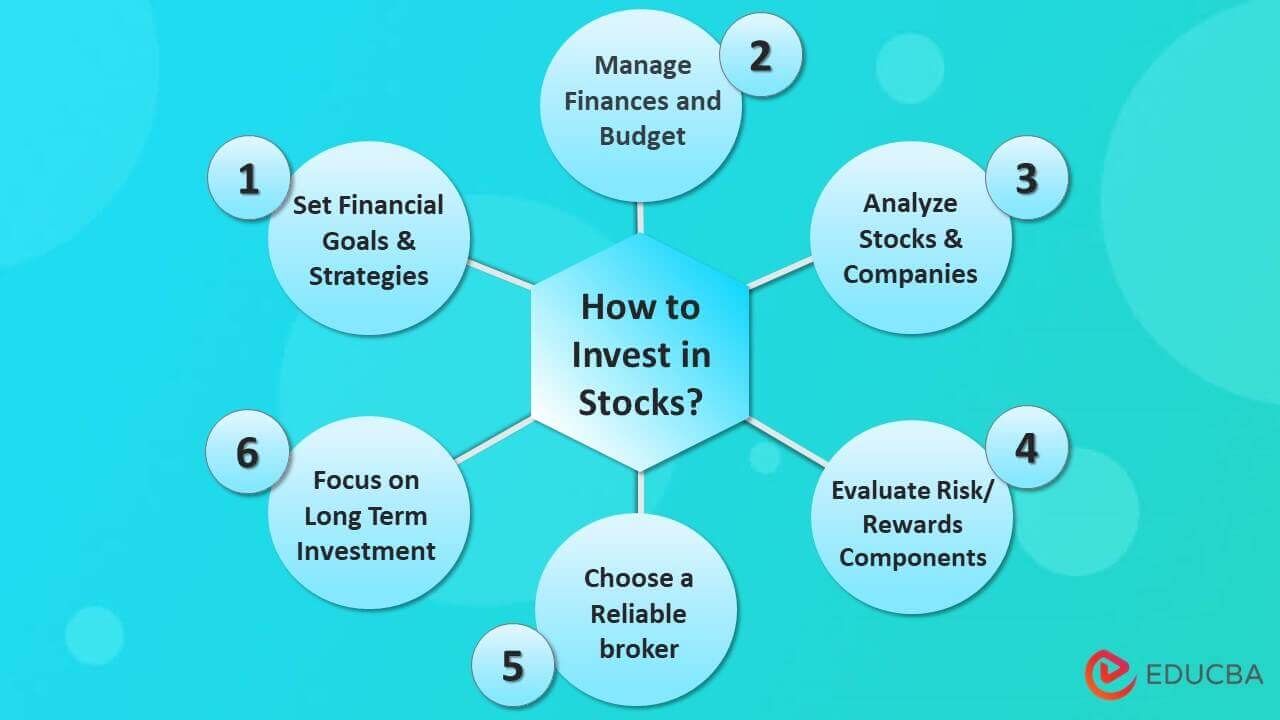
Selecting an appropriate investment platform is a crucial step for small investors aiming to grow their wealth efficiently. With numerous options available, understanding how to compare and choose the most suitable brokerage accounts can significantly impact your investment journey. An ideal platform should align with your financial goals, offer user-friendly features, and accommodate your budget constraints, enabling you to invest smartly even with limited funds.
When evaluating brokerage options, it is essential to consider various factors such as fee structures, account minimums, the availability of fractional shares, and the range of investment options. Making an informed choice can help you minimize costs and maximize your investment potential, ensuring that your small funds are put to work effectively within a reliable and accessible platform.
Comparing Brokerage Options Suitable for Small Investors
To identify the best brokerage platforms for small-scale investors, it is important to systematically compare their offerings based on key criteria. This comparison process helps to highlight platforms that provide the most value and convenience for users with limited capital.
- Fee Structures: Examine the transaction fees, account maintenance charges, and any other recurring costs. Low or zero commissions on trades can significantly reduce the overall expenses for small investors.
- Minimum Deposit Requirements: Look for platforms that offer low or no minimum deposit thresholds, making it easier to start investing without a substantial initial capital.
- Fractional Share Capabilities: Ensure the platform allows purchasing fractional shares, enabling you to invest small amounts in high-priced stocks like Amazon or Tesla without needing to buy a full share.
- Investment Options: Consider the variety of available assets, such as stocks, ETFs, mutual funds, and bonds, to diversify your portfolio according to your financial goals.
- Platform Usability and Support: Evaluate the user interface, educational resources, and customer support services, which are especially valuable for beginners.
Features to Look for in a Responsive Investment Table
A well-designed comparison table can facilitate quick and effective evaluation of multiple platforms based on essential features. When reviewing platforms, pay attention to the following columns to make an informed decision:
| Platform Name | Fees | Minimum Deposit | Available Investment Options |
|---|---|---|---|
| Robinhood | No commission fees on stocks and ETFs; $5 monthly fee for premium features | No minimum deposit | Stocks, ETFs, options, cryptocurrencies |
| Webull | No commission fees; free options trading; no account minimum | No minimum deposit | Stocks, ETFs, options, cryptocurrencies |
| Fidelity | No commission fees on stocks and ETFs; $0 account minimum | $0 | Stocks, ETFs, mutual funds, bonds, options |
| Charles Schwab | No commissions on stocks and ETFs; no minimum deposit for brokerage accounts | $0 | Stocks, ETFs, mutual funds, options, bonds |
| SoFi Invest | No commissions; $5 minimum to open an account; fractional shares available | $5 | Stocks, ETFs, cryptocurrencies, fractional shares |
Choosing a platform with low fees, fractional share capability, and minimal deposit requirements creates a more accessible and cost-effective environment for small investors to begin building their portfolios.
Strategies for Investing Small Amounts in Stocks

Investing with limited funds requires strategic approaches that maximize growth potential while managing risk. Utilizing specific methods and tools can help small investors build wealth over time. Understanding these strategies enables investors to make informed decisions, even with modest capital, and gradually develop a diversified stock portfolio.Effective small-scale investing hinges on tailored techniques that accommodate limited resources. These methods focus on minimizing risks and optimizing returns, allowing investors to participate meaningfully in the stock market without the need for large upfront capital.
By adopting the right strategies, small investors can establish a solid financial foundation and work toward their long-term investment goals.
Dollar-Cost Averaging to Reduce Investment Risk
Dollar-cost averaging (DCA) involves regularly investing a fixed amount of money into stocks regardless of market conditions. This approach helps mitigate the impact of market volatility by purchasing more shares when prices are low and fewer when prices are high, resulting in an average purchase price that can be more favorable over time.
- Consistent Investment Schedule: Allocate a specific amount of money at regular intervals, such as weekly or monthly, to maintain discipline and avoid emotional investing.
- Risk Distribution: DCA reduces the risk of investing a large sum just before a market downturn, spreading out the entry points into the market.
- Long-term Growth: Over time, DCA can smooth out market fluctuations, providing a more stable path toward wealth accumulation.
Comparison of Investment Methods for Limited Capital
Investors with small amounts of money have access to various platforms and methods to participate in stock investing. Each approach offers unique advantages and considerations regarding accessibility, cost, and potential for diversification.
Understanding these options helps investors select the most suitable method for their financial situation:
- Direct Stock Purchases:
- Requires opening a brokerage account that allows individual stock transactions.
- May involve commissions or fees per trade, although many brokers now offer commission-free trading.
- Suitable for investors who want to select specific stocks and have the patience to build their portfolio gradually.
- Fractional Shares:
- Allow purchasing less than one full share of a stock, making high-priced stocks accessible to small investors.
- Often available through popular online brokerages and investment apps.
- Facilitates diversification since investors can buy fractions of multiple stocks with limited funds.
- Robo-Advisors:
- Automated investment platforms that create and manage diversified portfolios based on investor risk tolerance and goals.
- Typically require low minimum investments, sometimes as low as $5 or $10.
- Offer automated rebalancing and reinvestment strategies, reducing the need for active management.
Building a Diversified Portfolio on a Small Budget
Diversification involves spreading investments across various assets to reduce risk and enhance long-term stability. For small investors, it is essential to implement strategies that allow for diversification despite limited capital.
The process involves incremental steps that align with a low initial investment:
- Start with fractional shares or low-cost ETFs that provide exposure to multiple stocks or sectors within a single purchase.
- Utilize dollar-cost averaging to consistently add to your portfolio over time, capturing different market conditions.
- Reinvest dividends and earnings to compound growth and increase diversification without additional capital outlay.
- Periodically reassess and rebalance the portfolio to maintain desired asset allocations, using automated tools where available.
Gradually building a diversified stock portfolio with limited funds requires patience, consistency, and strategic use of available investment tools. Small investors should focus on regular contributions and broad market exposure to optimize growth potential over time.
Exploring Alternative Investment Options for Small Investors

For individuals with limited funds, diversifying investment strategies beyond individual stocks can enhance potential returns and reduce risk. Several alternative investment avenues are accessible even with small initial capital, offering opportunities to build a balanced and resilient investment portfolio.
Utilizing these options alongside direct stock investments can optimize resource allocation, provide exposure to different asset classes, and improve overall investment efficiency. These methods often require lower entry points and can be managed through user-friendly platforms, making them ideal for novice investors aiming to grow their wealth gradually.
Exchange-Traded Funds (ETFs) and Index Funds
ETFs and index funds are popular investment vehicles that pool money from multiple investors to purchase a diversified basket of securities. They are traded on stock exchanges, similar to individual stocks, allowing easy buying and selling throughout the trading day. Importantly, many ETFs and index funds have low minimum investment requirements, making them suitable for investors with limited funds.
Investing in these funds provides instant diversification, reducing the impact of poor-performing individual stocks. For small investors, ETFs and index funds can serve as core holdings, offering broad market exposure—such as tracking the S&P 500—and helping to build a stable foundation for long-term growth.
Micro-Investing Apps and Platforms
Micro-investing platforms enable investors to start building their portfolios with very small amounts of money, sometimes as low as a few dollars. These apps often round up everyday purchases to the nearest dollar and automatically invest the spare change into diversified portfolios. They are particularly appealing for beginners who want to dip their toes into investing without significant upfront capital.
Besides round-up features, many micro-investing apps offer fractional shares, allowing investors to buy portions of expensive stocks like Amazon or Tesla, which would otherwise be inaccessible. This flexibility helps small investors participate in high-value stocks and diversify their holdings efficiently.
Real Estate Crowdfunding
Real estate crowdfunding platforms allow small investors to buy into property projects or real estate portfolios with relatively modest sums, sometimes starting at just a few hundred dollars. These platforms pool funds from multiple investors to finance real estate developments, offering opportunities for income generation through rental yields and potential appreciation.
Investing in real estate via crowdfunding can diversify a small portfolio beyond equities and bonds, providing exposure to real estate markets that have historically offered steady cash flows and inflation hedge benefits. It also reduces the barriers typically associated with direct property ownership, such as high capital requirements and management responsibilities.
Precious Metals and Commodities
Investing small amounts in commodities like gold, silver, or other precious metals can serve as a hedge against inflation and economic uncertainty. Many platforms now offer fractional investments in physical metals or related ETFs, making it feasible for small investors to allocate a portion of their portfolio to these assets.
Including commodities in a diversified investment approach can mitigate risks associated with stock market volatility and provide a safeguard during economic downturns, thereby complementing traditional equity investments in a small portfolio.
Risk Management and Diversification Techniques
For small-scale investors, managing risk effectively is essential to protect limited capital and ensure steady growth over time. Employing proper diversification strategies and understanding risk assessment methods help minimize potential losses while maximizing opportunities for gains in the stock market. Even with modest funds, implementing these techniques can significantly improve investment outcomes and foster long-term financial stability.
Applying diversification and risk management methods involves spreading investments across various assets, assessing individual risk levels, and using strategic tools to mitigate adverse impacts. Small investors must be intentional in choosing assets that balance potential returns with acceptable risk levels, ensuring that their limited resources are not overly concentrated in a single investment or sector.
Implementing Diversification Strategies with Limited Capital
Despite the common misconception that diversification requires substantial funds, small investors can effectively diversify their portfolios by adopting smart allocation techniques. This involves selecting a mix of assets such as stocks, bonds, exchange-traded funds (ETFs), and other low-cost investment vehicles that provide exposure to different sectors or geographic regions. Fractional investing, which allows purchasing portions of expensive stocks, further enables diversification without needing large sums of money.
For example, instead of investing the entire amount in a single tech stock, an investor could allocate small portions across multiple sectors—such as technology, healthcare, consumer goods, and international markets. This approach reduces exposure to sector-specific risks and balances the potential for returns across diverse assets.
Assessing and Minimizing Investment Risks for Small Investors
Understanding the specific risks associated with small-scale investing is vital for effective risk management. These risks include market volatility, sector downturns, liquidity constraints, and individual asset fluctuations. Small investors should regularly evaluate their investment portfolios to identify vulnerabilities and consider risk-reduction strategies appropriately.
Methods such as setting stop-loss orders can limit potential losses by automatically selling assets when they reach a predetermined price. Diversification plays a crucial role here, as spreading investments reduces the impact of any single asset’s poor performance. Additionally, staying informed about market conditions and economic indicators enables timely adjustments to the investment portfolio, helping to avoid significant downturns.
Examples of Diversified Assets Suitable for Small Investors
Below is a responsive HTML table illustrating a variety of diversified assets that small investors can consider, along with their characteristics and typical investment scales:
| Asset Class | Description | Suitability for Small Investors | Typical Investment Options |
|---|---|---|---|
| Exchange-Traded Funds (ETFs) | Funds that track indices or sectors, offering broad market exposure with low fees. | Highly suitable due to low minimum investments and diversification benefits. | Fractional shares of ETFs like SPDRs, Vanguard ETFs, or sector-specific ETFs. |
| Individual Stocks | Shares of listed companies, representing ownership stakes. | Possible with fractional investing platforms, allowing diversification across multiple companies. | Small quantities of stocks from different sectors through apps supporting fractional shares. |
| Bonds and Fixed-Income Securities | Debt instruments providing regular interest payments and capital preservation. | Accessible via bond funds or fractional bond purchases, reducing entry barriers. | Government bond ETFs, corporate bond funds, or fractional bonds via online brokerages. |
| Mutual Funds | professionally managed funds pooling investor money to invest in diversified portfolios. | Suitable if minimum investment thresholds are met; many offer low initial amounts. | Low-cost mutual funds with automatic investment plans. |
| Real Estate Investment Trusts (REITs) | Companies that own or finance income-producing real estate. | Accessible via stock exchanges, with options for fractional investing in some platforms. | REIT ETFs, unit trusts, or fractional REIT shares. |
Note: Ensuring diversification involves balancing different asset classes, sectors, and geographic regions to mitigate specific risks and enhance potential returns. Small investors should prioritize low-cost options and fractional investments to maximize diversification with limited funds.
Monitoring and Adjusting Investments Over Time
Investing wisely is a dynamic process that requires ongoing attention and adjustments to ensure your portfolio remains aligned with your financial goals. Regular monitoring and timely rebalancing are essential, especially when working with small amounts of capital, as market fluctuations can significantly impact your investments over time. Developing disciplined habits for tracking performance and making informed decisions can help maximize growth while managing risks effectively.Effective investment management involves systematic review of your stock holdings to identify when adjustments are necessary.
Small investors can often overlook the importance of monitoring, but consistent oversight enables early detection of underperforming assets and opportunities for reallocation. By staying engaged with your investments, you can adapt to changing market conditions and personal financial circumstances, thereby safeguarding and potentially enhancing your portfolio’s value.
Procedures for Tracking Stock Performance Regularly
Maintaining a routine schedule for monitoring your investments is crucial for informed decision-making. Here are practical steps to ensure consistent oversight:
- Set specific intervals for review, such as monthly or quarterly, depending on your investment frequency and goals.
- Utilize financial news platforms and stock tracking apps that provide real-time updates and performance summaries.
- Maintain a personalized investment journal or spreadsheet to record stock prices, dividend payments, and relevant news impacting each holding.
- Compare your stock performance against relevant benchmarks, such as index funds or industry averages, to assess relative success.
- Stay alert to macroeconomic factors, earnings reports, and market trends that could influence your stocks’ outlook.
Regular review enables timely recognition of significant changes, allowing for prompt action that aligns with your broader investment objectives.
Rebalancing a Small Portfolio Effectively
Rebalancing involves adjusting your asset allocation to maintain your desired risk level and investment strategy. When investing small amounts, this process must be handled thoughtfully to avoid unnecessary transaction costs and keep your portfolio aligned. Here are key considerations:
Rebalancing is not about chasing every market fluctuation but about maintaining a strategic balance that reflects your risk tolerance and financial goals.
- Review your target asset allocation periodically, based on your investment plan and market conditions.
- Identify any significant deviations from your desired proportions, typically more than 5-10% variance.
- Prioritize rebalancing through existing cash flows, dividend reinvestments, or partial sales to minimize transaction fees.
- Be cautious with frequent rebalancing; focus on significant imbalances to avoid excessive costs and tax implications.
- Use automated tools or alerts available on many investment platforms to notify you when rebalancing thresholds are met.
Rebalancing helps preserve your risk profile and ensures your investments remain targeted toward your long-term objectives.
Tips for Making Informed Decisions to Maximize Growth with Minimal Investments
Small investors can leverage disciplined strategies and data-driven insights to enhance growth prospects without substantial capital. Key tips include:
- Focus on quality stocks with strong fundamentals, including consistent earnings growth, manageable debt, and competitive advantages.
- Invest in low-cost index funds or fractional shares that provide diversified exposure without requiring large sums.
- Monitor market trends and economic indicators that influence stock performance, such as interest rates and employment data.
- Set clear thresholds for buying or selling, such as aiming for a specific percentage gain or loss before making adjustments.
- Stay informed through reputable financial news sources, analyst reports, and company disclosures.
- Use dollar-cost averaging to mitigate timing risks, investing fixed amounts regularly regardless of market fluctuations.
- Maintain a long-term perspective, avoiding impulsive decisions driven by short-term market volatility.
By adopting these practices, small investors can optimize their limited capital, reducing risks while positioning for sustainable growth over time.
Ending Remarks
In conclusion, investing in stocks with little money is entirely achievable with careful planning, strategic platform selection, and risk management. By taking incremental steps and diversifying wisely, you can steadily grow your portfolio and reach your financial aspirations. Embrace these principles, stay consistent, and watch your small investments flourish over time.